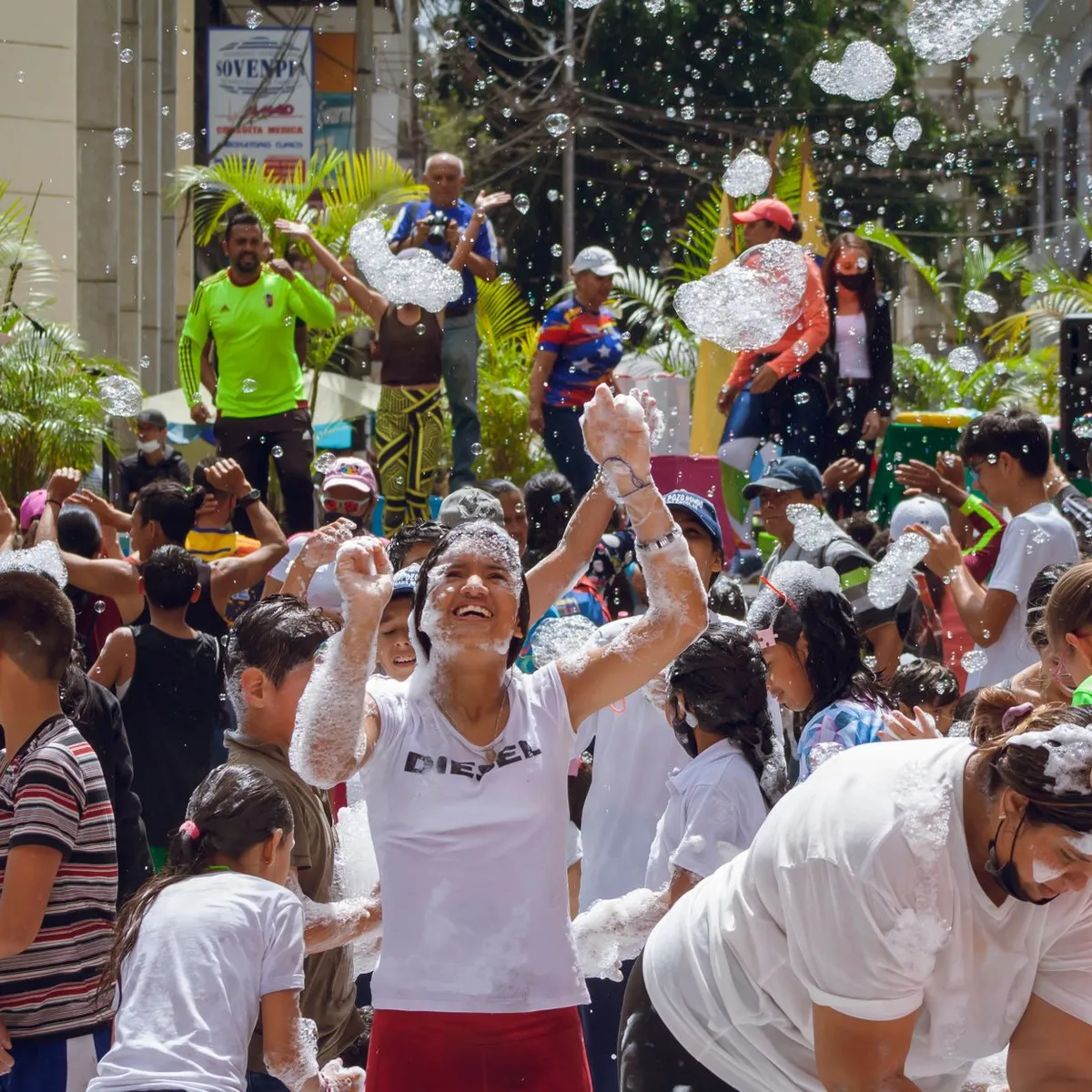
 Photo: Arturo Añez. / Pexels
Mucumpiz
Mucumpiz accessibility for wheelchair users
Compare Mucumpiz by accessibility, transport, terrain, healthcare, cost, weather, laws, reviews, and community notes.
Mucumpiz accessibility scores
Compare Mucumpiz by accessibility, transport, terrain, healthcare, cost, weather, and laws. General stats use public data and models. Community rows reflect member reviews and votes.
General stats
National benchmarks and estimates — your experience in this city may differ.
Community
Starts from our estimate — thumbs up nudge toward Excellent, down toward Poor. Reviews use 1–5 stars.
These figures combine public statistics, models, and live weather where available. Every city is different — treat this as a guide, and share what you know in the Reviews & Corrections tab.
Profile last updated 7/1/2026.
Mucumpiz wheelchair accessibility guide
Research Mucumpiz for wheelchair users and caregivers: getting around, terrain, healthcare, costs, climate, accessible things to do, and practical caveats before booking.
Last updated 7/1/2026At a glance
Mucumpiz is a high-Andes Venezuela listing that should be approached very conservatively by wheelchair users. The live RollVenture row has strong red flags for mobility: a very hilly terrain profile, 30.2% sampled maximum grade, a 2,147 m elevation range, and mapped surfaces dominated by unpaved, ground, and untagged ways. The closest healthcare leads in the database are all around 17-19 km away, mostly toward the Mérida/Ejido side. Costs are estimated from ~$2,669/mo, but the real issue is not budget; it is whether you can secure reliable transport, ground-floor lodging, backup power/water expectations, and a local assistant.
Getting around
Do not plan on independent rolling around Mucumpiz. Use a private car or accessible van substitute arranged through accommodation or contacts in Mérida, and ask specifically about step height, luggage space, and whether the driver can handle chair loading. Public buses and shared cars may be physically difficult even if cheap. For airport or long-distance bus transfers, build in daylight arrival, because mountain roads, rain, and informal drop-off points increase risk after dark.
Terrain & mobility
The terrain data is the defining feature here: very hilly, high elevation, and no flat sampled points. Pavement confidence is high enough to warn that many mapped ways are unpaved or ground-surface rather than smooth urban sidewalks. Even short distances can involve steep grades, rough edges, drains, and missing curb ramps. If you use a manual chair, assume you will need pushing help; if you use a power chair, confirm battery range, charging, and whether accommodation has step-free access from parking to room.
Healthcare & care
OpenStreetMap leads include Ambulatorio de La Mara, Cruz Roja Venezolana, Ambulatorio de Los Curos, Ambulatorio Fidel Febres C, and Geriatrico de Ejido, but each appears well outside the immediate center. Venezuela's country-level disability protection and health-service reliability are uneven, so bring medications, written Spanish medical notes, and a plan for urgent transport to Mérida or another larger center. Do not assume equipment repair, pressure-care supplies, or specialty seating support is locally available.
Costs & housing
The database estimate is from ~$2,669/mo, with housing around $1,374 and transport around $198. In practice, accessible housing may be much harder than the price suggests. Prioritize a verified ground-floor unit, step-free bathroom entry, stable electricity, and a vehicle that can reach the door. A cheaper hill-view stay is not useful if the route from the car to the room has steps or loose surfaces.
Climate & comfort
The Andes climate is cooler than lowland Venezuela, which can help heat-sensitive travelers, but rain, fog, and altitude can make mobility and breathing harder. Paths may become slippery after storms. Carry layers, protect batteries and cushions from damp, and schedule extra rest after travel days.
Accessible things to do
Mérida city center— Wikivoyage's Mérida guide is the strongest nearby planning source; use the city for services, food, and easier paved plazas rather than assuming Mucumpiz itself has accessible visitor infrastructure.
Plaza Bolívar, Mérida— a central plaza lead for a short, assisted outing; verify curb cuts, traffic crossings, and current safety conditions locally.
Mérida cable-car base area— the Teleférico is a known regional attraction, but accessibility and operating status must be confirmed directly before making it the focus of a trip.
Community & language
Spanish is essential for drivers, clinics, and lodging checks. Written messages with photos work better than broad questions like "is it accessible?" Ask for pictures of the entrance, bathroom, bed height, and parking approach. Local help matters more here than in a flatter city.
Would we recommend it?
Generally no for independent wheelchair travel. Mucumpiz may work as a supported mountain stay for someone with local contacts, private transport, and a strong tolerance for uncertainty, but the terrain and healthcare distance make it a high-friction choice.
These figures combine public statistics, models, and live weather where available. Every city is different — treat this as a guide, and share what you know in the Reviews & Corrections tab.
Profile last updated 7/1/2026.