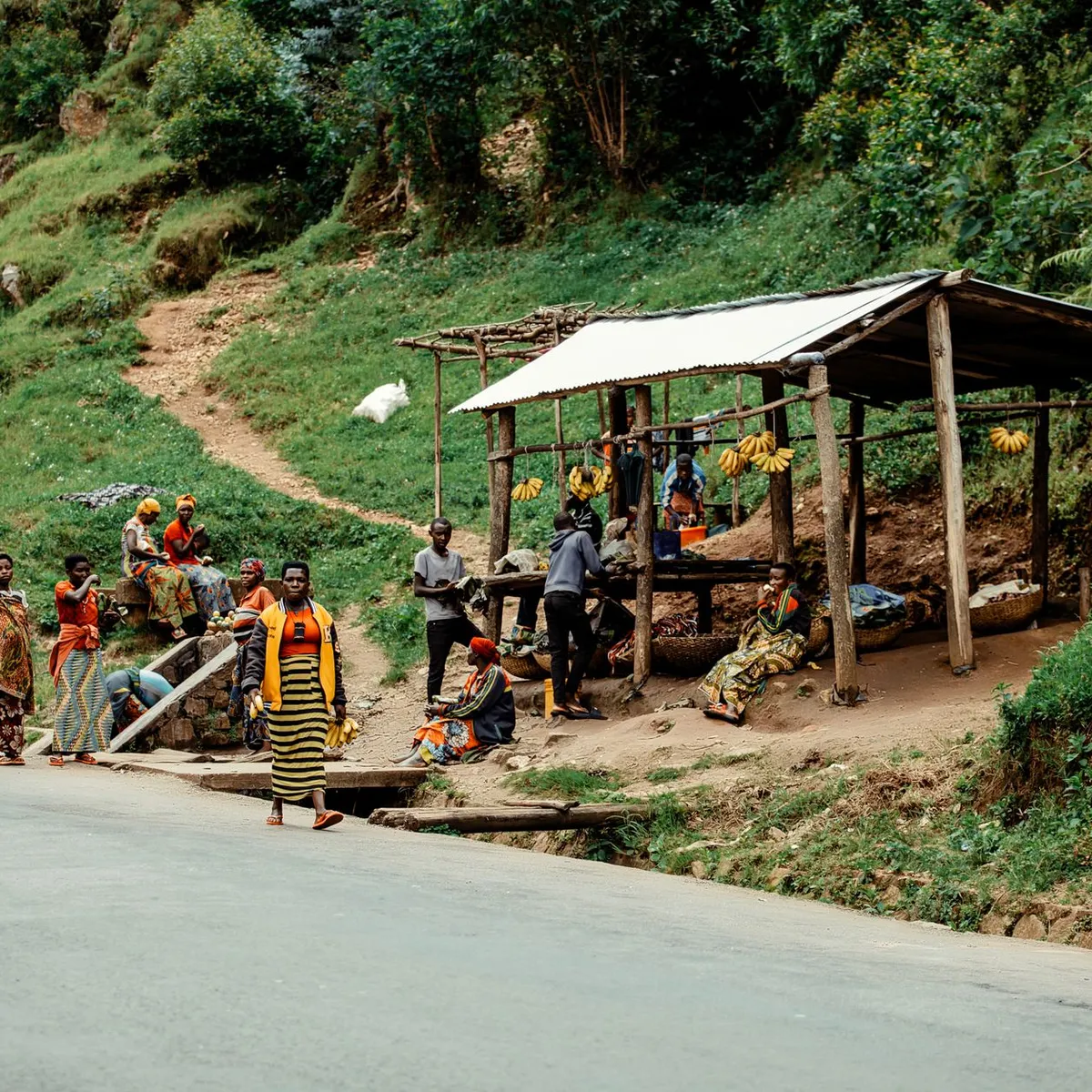
 Photo: Chris wade NTEZICIMPA / Pexels
Mwene-Ditu
Mwene-Ditu accessibility for wheelchair users
Compare Mwene-Ditu by accessibility, transport, terrain, healthcare, cost, weather, laws, reviews, and community notes.
Mwene-Ditu accessibility scores
Compare Mwene-Ditu by accessibility, transport, terrain, healthcare, cost, weather, and laws. General stats use public data and models. Community rows reflect member reviews and votes.
General stats
National benchmarks and estimates — your experience in this city may differ.
Community
Starts from our estimate — thumbs up nudge toward Excellent, down toward Poor. Reviews use 1–5 stars.
These figures combine public statistics, models, and live weather where available. Every city is different — treat this as a guide, and share what you know in the Reviews & Corrections tab.
Profile last updated 7/1/2026.
Mwene-Ditu wheelchair accessibility guide
Research Mwene-Ditu for wheelchair users and caregivers: getting around, terrain, healthcare, costs, climate, accessible things to do, and practical caveats before booking.
Last updated 7/1/2026At a glance
Mwene-Ditu is a high-effort wheelchair destination, not a turnkey accessible city. Mwene-Ditu is a town in southern Democratic Republic of the Congo, in Lomami Province. The city is more of a practical regional stop than a classic tourism base, so planning should focus on transport, care backup, and realistic daily routines. The live RollVenture row scores it 46/100 overall with a low accessibility score, so the safest use case is a short, supported stay with private transport, pre-checked lodging, and a local helper. Population is stored at about 189,177. Expect useful local services, but do not expect systematic ramps, marked accessible toilets, or reliable sidewalk continuity.
Getting around
Plan around door-to-door car or van transport. The database profile gives wheelchair transport a low score, which matches the practical reality in many secondary cities: public minibuses, shared taxis, and informal motorcycles are unlikely to work for independent wheelchair travel. Ask accommodation or a host to identify a driver who can wait during errands and help with transfers. Keep trips short, avoid night arrivals, and build in extra time for checkpoints, traffic, rain, and broken surfaces.
Terrain & mobility
OpenTopoData sampling labels the area hilly, with a maximum sampled grade around 2.1% and an elevation range near 180 m. That does not mean the city is easy: the OSM pavement sample is low confidence, with dominant surfaces listed as untagged. Treat untagged roads as unknown, scout routes from a vehicle first, and prioritize places where you can be dropped at the entrance. Rain can turn short distances into transfer problems.
Healthcare & care
The live OSM healthcare profile lists Hôpital Tshiamala, Matérnité Saint Louis, Hôpital Saint Louis as nearby leads, not accessibility guarantees. Call or send someone ahead to confirm entrance steps, doorway width, exam-table transfer options, pharmacy stock, and whether staff can handle disability-related needs. Bring key supplies, repair parts, medications, and written medical notes. For personal care, line up help before arrival; same-day hiring may be unreliable.
Costs & housing
RollVenture's stored monthly living estimate is from ~$2,298/mo, including housing from ~$1,178/mo. Use these as rough planning numbers, not a promise of accessible housing. The cheapest rooms may have steps, narrow bathrooms, squat toilets, backup-power gaps, or no roll-in shower. Before booking, request current photos or video of the entrance, bathroom, bed height, generator setup, and the path from vehicle drop-off to room.
Climate & comfort
Heat, humidity or dust, road noise, and power interruptions can matter as much as ramps. Schedule errands early, keep water and shade available, and avoid trying to solve transport and healthcare on arrival day. If you use a power chair, confirm charging, voltage, and backup power. Manual-chair users should plan for pushing assistance because even short rough sections can be tiring.
Accessible things to do
Mwene-Ditu town centre— the most practical orientation point for markets, pharmacies, and transport, but use a driver and scout entrances before committing.
Lomami Province road approaches— short assisted drives can be the safest way to understand the area; avoid assuming roadside stops are step-free.
Local church and community compounds— potential low-key visits if arranged through hosts; verify toilets, thresholds, and seating before arrival.
Community & language
Mwene-Ditu is best approached through local hosts, drivers, faith/community contacts, or healthcare staff who can verify conditions in real time. English or French may help depending on the country, but local languages and informal networks are often what make access practical. Be explicit about wheelchair dimensions, transfer needs, bathroom requirements, and whether you can manage steps with assistance.
Would we recommend it?
Only for experienced travelers with strong local support, or for people visiting family, work, or a specific community reason. Mwene-Ditu may be manageable for a short stay with careful planning, but it is not a good first independent wheelchair-travel destination. The biggest risks are uncertain transport, rough or undocumented surfaces, limited verified accessible lodging, and healthcare access that must be checked before you go.
These figures combine public statistics, models, and live weather where available. Every city is different — treat this as a guide, and share what you know in the Reviews & Corrections tab.
Profile last updated 7/1/2026.
Reviews & corrections
Share your experience or suggest a data correction. Both appear publicly; admin updates official city scores and costs separately.
Log in to write a review or suggest a correction.
No reviews or corrections yet.