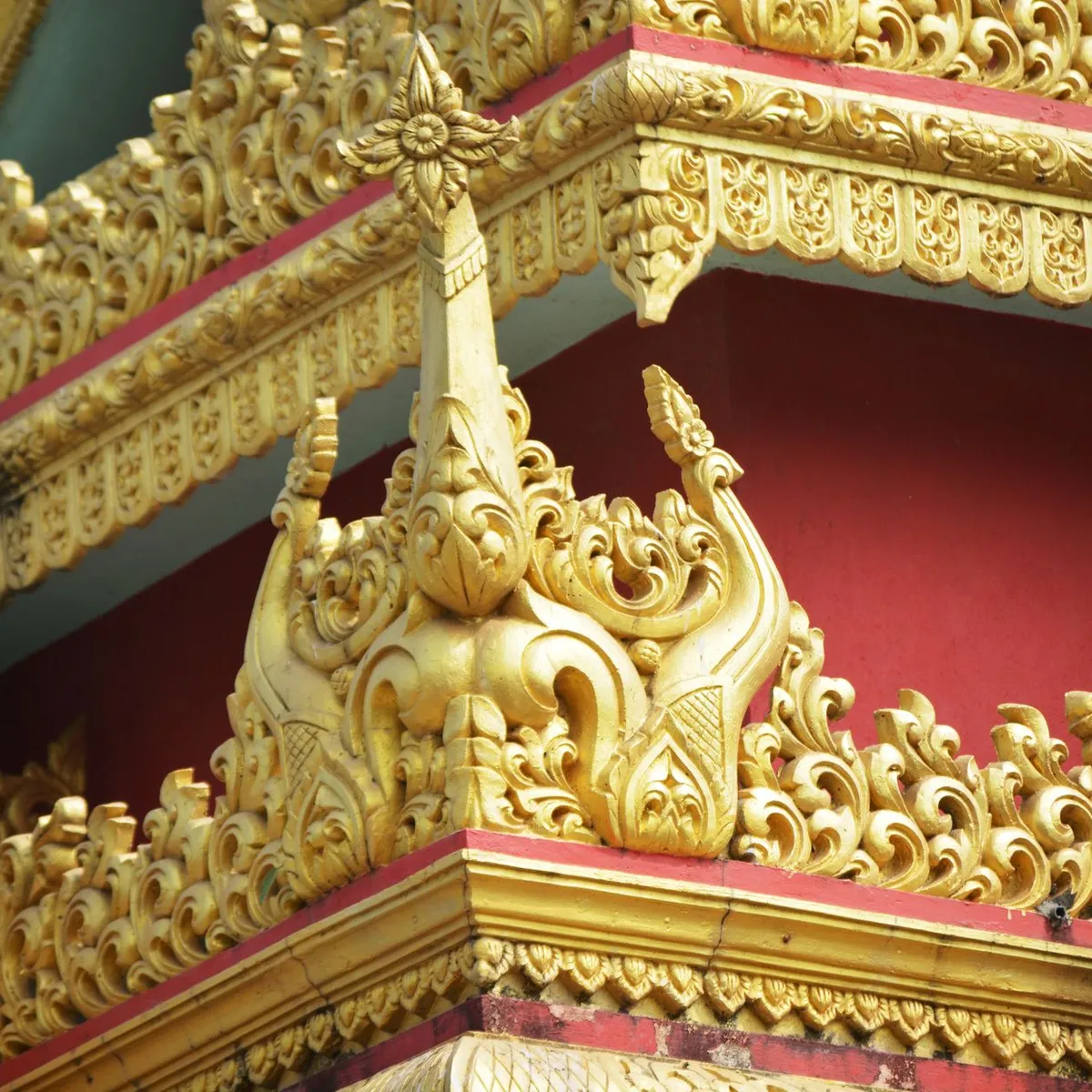
 Photo: AMOL NAKVE / Pexels
Nay Pyi Taw
Nay Pyi Taw accessibility for wheelchair users
Compare Nay Pyi Taw by accessibility, transport, terrain, healthcare, cost, weather, laws, reviews, and community notes.
Nay Pyi Taw accessibility scores
Compare Nay Pyi Taw by accessibility, transport, terrain, healthcare, cost, weather, and laws. General stats use public data and models. Community rows reflect member reviews and votes.
General stats
National benchmarks and estimates — your experience in this city may differ.
Community
Starts from our estimate — thumbs up nudge toward Excellent, down toward Poor. Reviews use 1–5 stars.
These figures combine public statistics, models, and live weather where available. Every city is different — treat this as a guide, and share what you know in the Reviews & Corrections tab.
Profile last updated 7/1/2026.
Nay Pyi Taw wheelchair accessibility guide
Research Nay Pyi Taw for wheelchair users and caregivers: getting around, terrain, healthcare, costs, climate, accessible things to do, and practical caveats before booking.
Last updated 7/1/2026At a glance
Nay Pyi Taw is Myanmar’s planned capital: spacious, spread out, and difficult without private transport. The live row scores it 59 overall, but accessibility indicators are weak: accessibility 43, infrastructure 49, ramp availability 31, and wheelchair transport 40. Terrain is gently rolling rather than steep, with average elevation around 117 m and a maximum sampled grade of 1.8%, so distance, transport, heat, and sparse access information matter more than hills.
Getting around
Assume car-based movement. Wikivoyage describes getting around by motorbike taxi, tuk-tuk, and taxi, but those are generally unsuitable or unreliable for many wheelchair users unless pre-adapted. The city’s wide roads and separated zones make spontaneous short rolls impractical. Book a driver who can load mobility equipment, keep a phone contact for every venue, and avoid relying on walking-distance clusters.
Terrain & mobility
The planned-city layout gives some broad roads and large sites, but OSM pavement confidence is low and dominant surfaces include untagged, concrete, asphalt, and unpaved segments. Long distances inside attractions may be the main fatigue point. A power chair or scooter can help if transport loading is solved; manual-chair users should budget companion assistance and shade breaks.
Healthcare & care
The DB row lists OSM healthcare leads such as Kall La Theik Di Hospital, မြို့နယ်ဆေးရုံ, ပျဉ်းမနား ကုတင်(၂၀၀)ပြည်သူ့ဆေးရုံကြီး, Medical Check Centre, and သီရိသုခ ေဆးရံု ပ်ဥ္းမနား. Treat these as location leads only. Verify emergency capacity, wheelchair entry, language support, and medication availability before relying on them. Bring backup supplies and a written care summary.
Costs & housing
RollVenture estimates living costs from ~$2,180/mo, housing around $937/mo, and home-aid around $459/mo. Myanmar’s disability protections and accessible infrastructure are limited and inconsistently enforced, per the existing country-level note in the row. Hotels in the hotel zone are the most realistic starting point, but ask for lift status, bathroom photos, shower chair availability, and generator reliability.
Climate & comfort
Heat, monsoon rain, and long exposed distances can be draining. Plan early starts, indoor midday breaks, and vehicle waiting time close to exits. Rain can make unpaved approaches difficult, while hot-season travel increases dehydration and skin-integrity risks.
Accessible things to do
Defence Services Museum— Wikivoyage explicitly describes it as wheelchair-friendly, though very large; use a vehicle or scooter strategy and bring identification.
National Museum— opened after the capital moved, with history, culture, arts, ASEAN, children’s, and temporary exhibition sections; verify current access and opening days.
Uppatasanti Pagoda— a major landmark nearly replicating Yangon’s Shwedagon; confirm ramps, crowds, and whether the approach is manageable before visiting.
National Herbal Park— a plant-focused outdoor site; treat it as a weather-dependent roll with path-quality checks.
City Park / fountain area— a lower-key evening option behind city hall; confirm surface condition and transport pickup after dark.
Community & language
Burmese is the working language, and English support can be uneven outside hotels and official venues. Current political and travel-security conditions should be checked carefully before any trip. Save Burmese venue names and phone numbers offline.
Would we recommend it?
Only with strong logistics. Nay Pyi Taw has a few plausible accessible anchors, especially the Defence Services Museum, but low wheelchair-transport scores, limited protections, and large distances make it a planned, assisted destination rather than an independent mobility-friendly base.
These figures combine public statistics, models, and live weather where available. Every city is different — treat this as a guide, and share what you know in the Reviews & Corrections tab.
Profile last updated 7/1/2026.