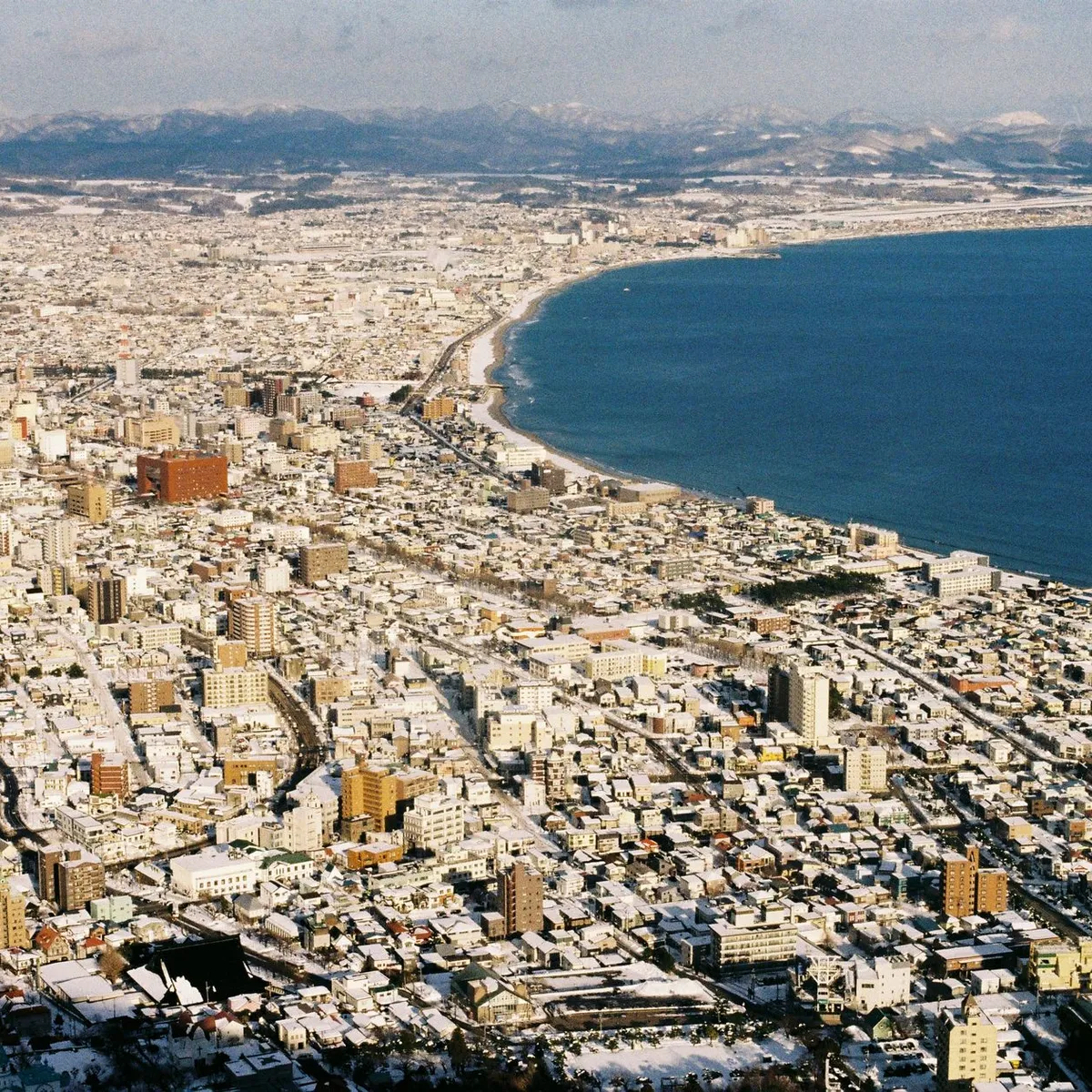
 Photo: Aaron Wang / Pexels
Niigata
Niigata accessibility for wheelchair users
Compare Niigata by accessibility, transport, terrain, healthcare, cost, weather, laws, reviews, and community notes.
Niigata accessibility scores
Compare Niigata by accessibility, transport, terrain, healthcare, cost, weather, and laws. General stats use public data and models. Community rows reflect member reviews and votes.
General stats
National benchmarks and estimates — your experience in this city may differ.
Community
Starts from our estimate — thumbs up nudge toward Excellent, down toward Poor. Reviews use 1–5 stars.
These figures combine public statistics, models, and live weather where available. Every city is different — treat this as a guide, and share what you know in the Reviews & Corrections tab.
Profile last updated 6/30/2026.
Niigata wheelchair accessibility guide
Research Niigata for wheelchair users and caregivers: getting around, terrain, healthcare, costs, climate, accessible things to do, and practical caveats before booking.
Last updated 6/30/2026At a glance
Niigata is one of the easier Japanese regional-city candidates for terrain: the live DB profile is mostly flat, with only about a 0.3% maximum sampled grade and a low elevation range. It scores 74 overall, with strong safety and transport indicators, but pavement tagging is low-confidence, so do not overread the surface score. The best fit is a traveler who wants a calmer Japan base with food markets, waterfront areas, and station-centered day trips rather than a dense megacity schedule.
Getting around
Plan around Niigata Station, bus routes, taxis, and short city-center transfers. Japan’s rail and station systems often provide elevators and staff assistance, but assistance windows, elevator outages, and platform gaps should be checked for each leg. If using local buses, confirm whether the route uses low-floor vehicles and whether the stop has space for ramp deployment.
Terrain & mobility
The city is flat, which is a real advantage for fatigue and manual-chair users. The tradeoff is winter weather and limited pavement tagging: snow, slush, curb cuts, and tactile paving can change the practical experience quickly. Waterfront wind and bridge approaches may be more tiring than the DB grade suggests.
Healthcare & care
OpenStreetMap healthcare leads include Niigata Central Hospital, Niigata Prefectural Cancer Center Hospital, and Niigata University Medical and Dental Hospital, with several other hospitals in the city. These are leads only; confirm language support, appointment rules, emergency routing, and whether a companion or interpreter is needed. For mobility equipment repairs, research options before arrival rather than after a breakdown.
Costs & housing
The DB estimate is from ~$3,066/mo, with housing from ~$1,524/mo. Accessible hotel rooms in regional Japan may be limited and vary widely in bathroom design. Ask for photos of the bathroom, toilet grab bars, shower setup, bed clearance, and doorway widths; “barrier-free” can still mean tight by North American standards.
Climate & comfort
Niigata is snowy and wet compared with many Pacific-side Japanese cities. Winter can be beautiful but demanding for chair users because cleared paths, station approaches, and curb cuts may be inconsistent. Spring and autumn are easier for rolling and weather comfort.
Accessible things to do
Pier Bandai / Harbor Marche Pier Bandai— Discover Niigata lists this food-and-drink market in the Niigata and Aga area; it is a useful lower-intensity target if you verify current entrances and toilet access.
Toki Messe and waterfront area— A practical station/taxi destination for views and events; check elevator access and event-hall routes before committing.
Niigata City Aquarium Marinepia Nihonkai— A major city attraction to verify directly for wheelchair routes, accessible toilets, and crowded-day circulation.
Furumachi / city-center food streets— Good for short hops and dining, but confirm thresholds because small restaurants may have steps or tight interiors.
Community & language
Japanese is essential for detailed care, transport, and hotel access questions. Tourism sites have English content, but disability-specific pages may be Japanese-only. Carry written Japanese notes for chair dimensions, transfer needs, allergies, and emergency contacts.
Would we recommend it?
Yes, especially for travelers who want a flatter, calmer Japan city and can avoid heavy snow periods. Niigata is promising but should be planned conservatively: station-centered lodging, verified bathrooms, and weather-aware routes are the keys.
These figures combine public statistics, models, and live weather where available. Every city is different — treat this as a guide, and share what you know in the Reviews & Corrections tab.
Profile last updated 6/30/2026.
Reviews & corrections
Share your experience or suggest a data correction. Both appear publicly; admin updates official city scores and costs separately.
Log in to write a review or suggest a correction.
No reviews or corrections yet.