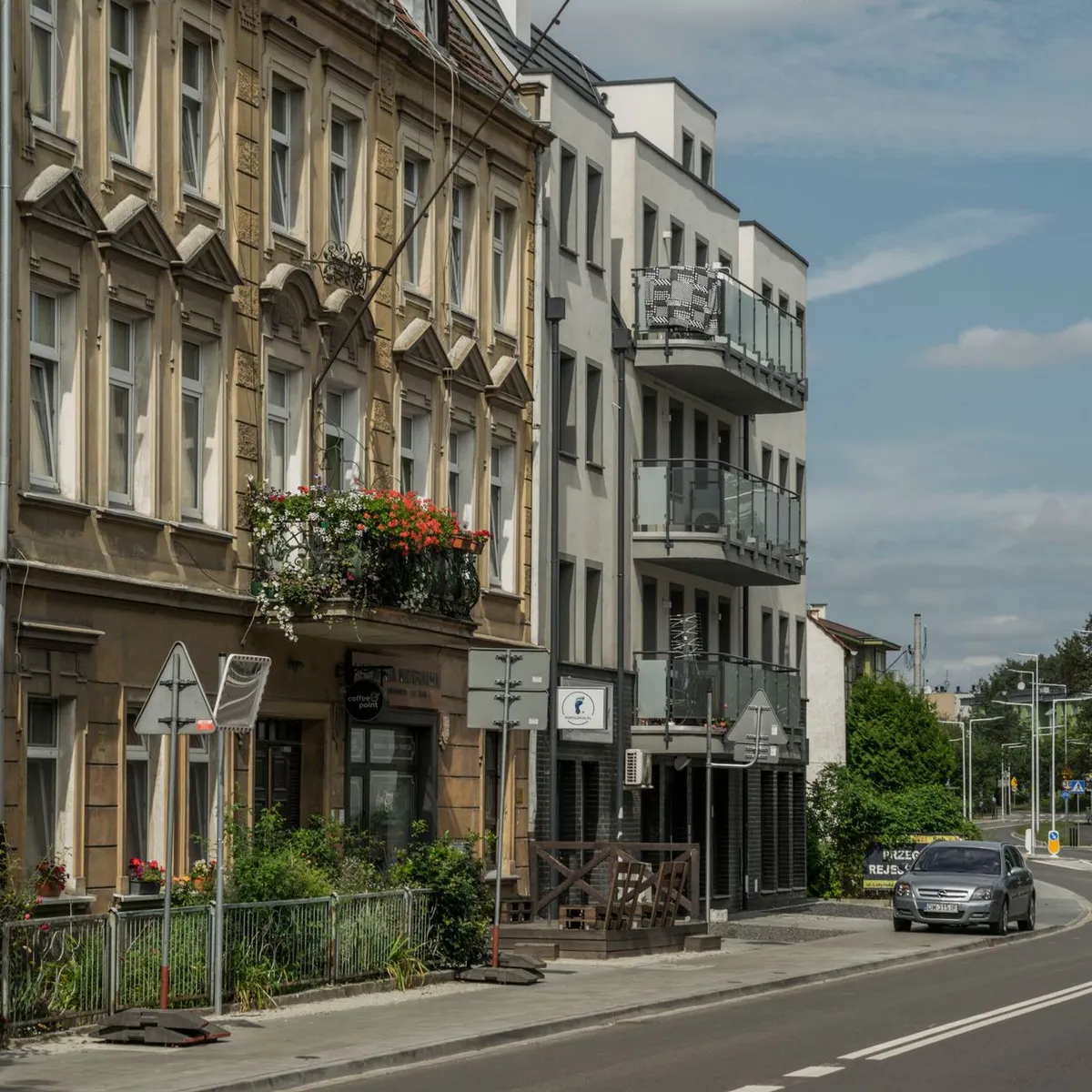
 Photo: SHOX ART / Pexels
Płock
Płock accessibility for wheelchair users
Compare Płock by accessibility, transport, terrain, healthcare, cost, weather, laws, reviews, and community notes.
Płock accessibility scores
Compare Płock by accessibility, transport, terrain, healthcare, cost, weather, and laws. General stats use public data and models. Community rows reflect member reviews and votes.
General stats
National benchmarks and estimates — your experience in this city may differ.
Community
Starts from our estimate — thumbs up nudge toward Excellent, down toward Poor. Reviews use 1–5 stars.
These figures combine public statistics, models, and live weather where available. Every city is different — treat this as a guide, and share what you know in the Reviews & Corrections tab.
Profile last updated 6/30/2026.
Płock wheelchair accessibility guide
Research Płock for wheelchair users and caregivers: getting around, terrain, healthcare, costs, climate, accessible things to do, and practical caveats before booking.
Last updated 6/30/2026At a glance
Płock is a mid-sized Polish city on the Vistula with a useful balance of cost, healthcare leads, museums, and riverside history. The live profile estimates monthly living from ~$2,098/mo, with housing around ~$744/mo, so it is much cheaper than major Western European capitals. For wheelchair users, it is not frictionless: the old town and river escarpment create slopes, and the pavement profile is only medium-confidence. Still, it can be a workable base if you choose lodging away from steep approaches and verify museum access in advance.
Getting around
Local trips are best planned around buses, taxis, and short central routes rather than spontaneous long rolls. Polish public transport accessibility varies by vehicle, stop, and route, so check current low-floor bus availability with the operator or city site before relying on a line. Intercity rail and coach trips may require assistance booking. The transport baseline is from ~$209/mo, but add a buffer for taxis when weather, cobbles, or hillier river approaches make rolling impractical.
Terrain & mobility
The elevation profile is gently rolling overall, but Płock's historic core sits above the river, so the Vistula-side streets can include ramps, slopes, and older paving. The DB pavement sample shows asphalt, paved, and concrete-plate surfaces mixed with many untagged ways. For daily life, prioritize a modern apartment with elevator access and a flatter route to groceries, clinics, and transit stops. In the old town, expect curb cuts and surface quality to change from block to block.
Healthcare & care
The DB healthcare profile gives practical OSM leads including Centrum Medyczne Rodzina, Szpital Świętej Trójcy, Minimed, Nasze Zdrowie, and Wojewódzki Szpital Zespolony im. Marcina Kacprzaka. Treat these as starting points: call to confirm step-free entrances, elevator access, accessible toilets, and whether reception can help in English. The profile estimates medical from ~$131/mo, PT from ~$92/mo, and home aid from ~$521/mo.
Costs & housing
Płock is cost-favorable in this batch. The challenge is not headline rent but finding a unit with no entry steps, a lift large enough for a chair, and a bathroom that actually works. Newer blocks outside the oldest streets may be easier. Ask for video of the route from sidewalk to shower, and confirm winter snow clearing if you will stay outside summer.
Climate & comfort
Expect a continental Polish climate: cold winters, occasional snow or ice, warm summers, and shoulder seasons that are often easiest for rolling. Winter can turn small curb issues into real barriers. Summer river walks can be pleasant, but shade and toilet planning matter.
Accessible things to do
Muzeum Mazowieckie w Płocku— The official museum site has accessibility and visitor sections, making it one of the better candidates for a verified indoor cultural stop; still confirm the exact branch and lift status.
Płock Cathedral and Tumskie Hill area— Historically important and close to the old town, but approach slopes and paving need checking before a wheelchair visit.
Vistula boulevards— Good for views and flatter riverside time where surfaces are firm, but routes between the old town and river may be steep.
Płock zoo area— A possible family outing; verify current path surfaces, accessible toilets, and parking before visiting.
Community & language
Polish is primary. English is more common among younger residents, hotels, and some medical or museum staff, but not guaranteed. Written Polish notes for access needs can help with taxis, clinics, and building viewings.
Would we recommend it?
Yes, cautiously. Płock offers good value and enough services for a practical stay, but wheelchair users should choose neighborhoods carefully and treat the old town-river transition as a mobility planning issue.
These figures combine public statistics, models, and live weather where available. Every city is different — treat this as a guide, and share what you know in the Reviews & Corrections tab.
Profile last updated 6/30/2026.