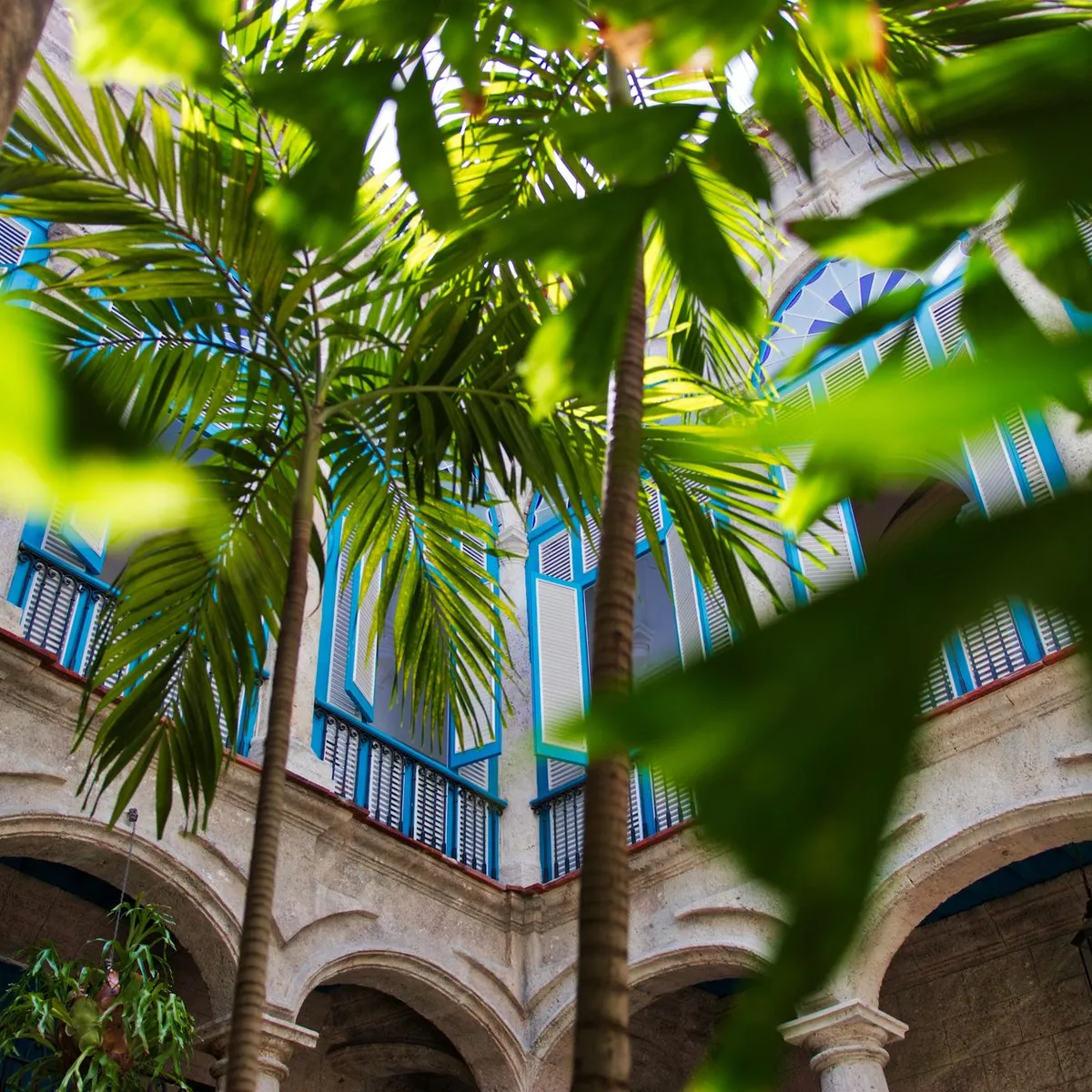
 Photo: Matthias Oben / Pexels
Palma Soriano
Palma Soriano accessibility for wheelchair users
Compare Palma Soriano by accessibility, transport, terrain, healthcare, cost, weather, laws, reviews, and community notes.
Palma Soriano accessibility scores
Compare Palma Soriano by accessibility, transport, terrain, healthcare, cost, weather, and laws. General stats use public data and models. Community rows reflect member reviews and votes.
General stats
National benchmarks and estimates — your experience in this city may differ.
Community
Starts from our estimate — thumbs up nudge toward Excellent, down toward Poor. Reviews use 1–5 stars.
These figures combine public statistics, models, and live weather where available. Every city is different — treat this as a guide, and share what you know in the Reviews & Corrections tab.
Profile last updated 7/1/2026.
Palma Soriano wheelchair accessibility guide
Research Palma Soriano for wheelchair users and caregivers: getting around, terrain, healthcare, costs, climate, accessible things to do, and practical caveats before booking.
Last updated 7/1/2026At a glance
Palma Soriano is a provincial Cuban municipality in Santiago de Cuba province, established inland from the coast and known more as a local service city than a visitor hub. The RollVenture row gives it modest accessibility and hilly terrain, with central samples that look more manageable than the wider score suggests. Estimated living cost is high in the DB model at from ~$3,222/mo, with housing from ~$1,630/mo, so do not assume it will feel inexpensive for an accessibility-dependent stay.
Getting around
Wikipedia identifies Palma Soriano as a municipality in Santiago de Cuba province; the DB places it in the America/Havana timezone with a population just over 100,000. For wheelchair users, expect transport to be the main constraint. Local shared transport and intercity buses should not be presumed accessible. A pre-arranged driver, family support, or clinic-linked transport is the safer way to reach medical appointments, lodging, and any day trips toward Santiago de Cuba.
Terrain & mobility
The terrain profile is mixed: the city is classed hilly, but sampled central points were mostly flat, with a 2.9% max sampled grade and 204 m elevation range. Pavement data is low-confidence and shows many untagged or unpaved ways. That means a neighborhood can look easy on a map and still have rough crossings, broken edges, or missing curb ramps. Ask hosts for recent street photos, not just “ground floor” confirmation.
Healthcare & care
OSM-derived healthcare leads include Policlínico Norte Óscar Alberto Ortega, Policlínico Sur Carlos Montalbán, Centro de Hemodiálisis Palma, and Hospital Pediátrico Juan B. Viñas González. These are not accessibility guarantees. Confirm entrance width, stair-free exam access, dialysis/urgent-care availability if relevant, and whether a companion can assist. The DB estimates home-aid support around $608/mo, but actual availability may depend heavily on local personal networks.
Costs & housing
Use the DB cost figures cautiously: housing from ~$1,630/mo, food about $453/mo, transport about $237/mo, and medical about $173/mo. Accessible housing may be scarce and may require practical adaptations such as temporary ramps, shower chairs, or rearranged furniture. Prioritize reliable water, power backup, fan or air-conditioning, and a bathroom that can be photographed and measured before booking.
Climate & comfort
The climate is warm year-round. The DB climate profile shows wetter months from May through October, with May and September/October notably rainy. Heat, rain, and uneven unpaved surfaces can make transfers and chair maintenance harder. Bring spare tubes/parts if using a manual chair and protect batteries/electronics from rain and humidity.
Accessible things to do
Palma Soriano central plaza area— Use the municipal center as a low-risk first route: pharmacy, bank, shade, and food stops matter more than sightseeing. Verify curb cuts and avoid peak heat.
Local churches and civic buildings— Wikipedia confirms the city’s municipal status and long-established settlement. Visit only after checking thresholds and whether interior steps block access.
Santiago de Cuba day trip— For stronger museums, waterfront, and cultural sites, plan a driver-supported trip to Santiago de Cuba rather than relying on spontaneous transport. Confirm access at each venue.
Neighborhood food and music stops— Small, step-free cafés or family-run restaurants can be more usable than formal attractions, but verify toilets and entrance lips.
Community & language
Spanish is required. Expect local problem-solving and personal introductions to matter. Carry written medical and accessibility notes, and keep expectations conservative about formal disability infrastructure.
Would we recommend it?
A cautious maybe for travelers with family, medical, or local reasons to be there. For a purely accessibility-led stay, nearby larger cities with more transport and venue options are likely easier.
These figures combine public statistics, models, and live weather where available. Every city is different — treat this as a guide, and share what you know in the Reviews & Corrections tab.
Profile last updated 7/1/2026.