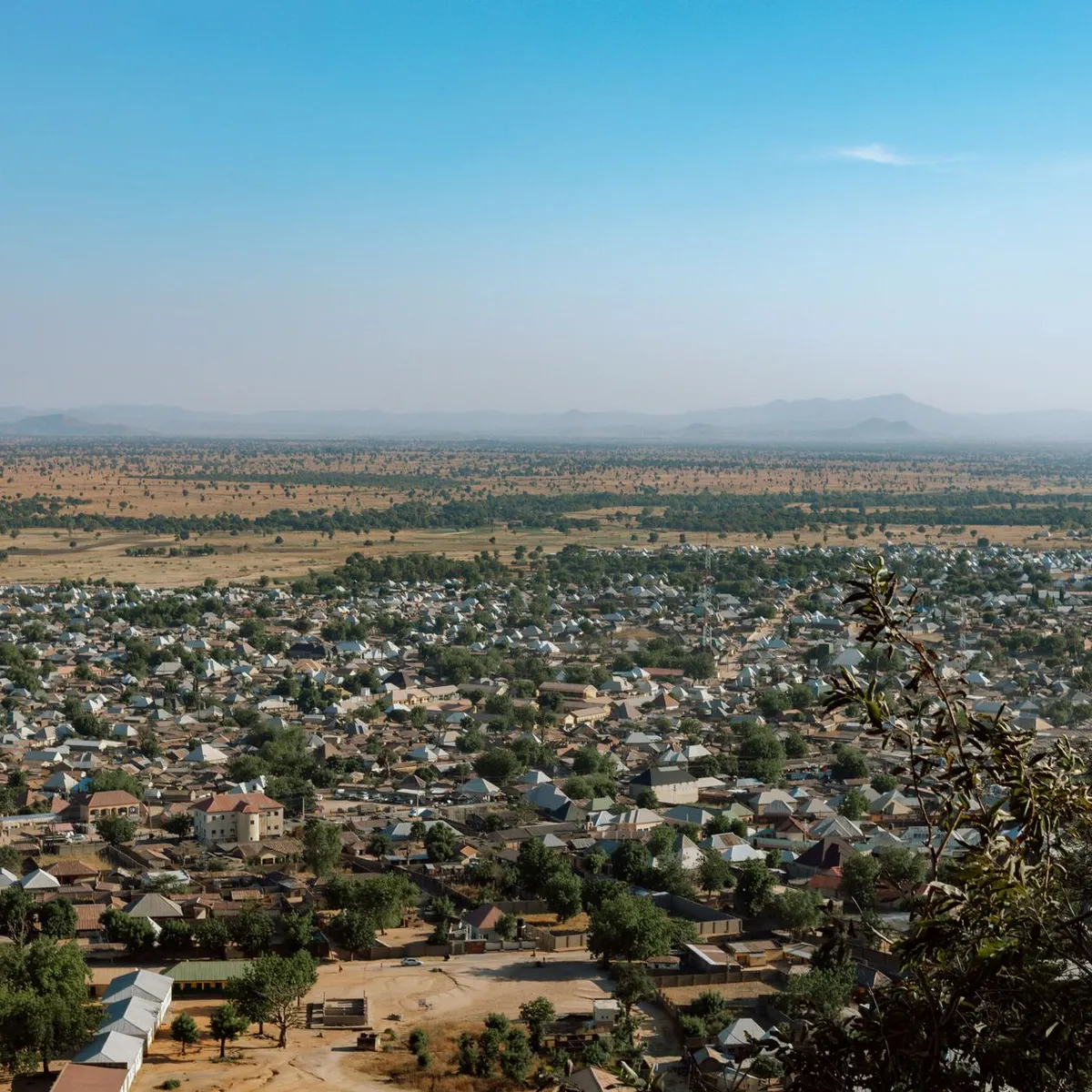
 Photo: Bobby Dimas / Pexels
Parakou
Parakou accessibility for wheelchair users
Compare Parakou by accessibility, transport, terrain, healthcare, cost, weather, laws, reviews, and community notes.
Parakou accessibility scores
Compare Parakou by accessibility, transport, terrain, healthcare, cost, weather, and laws. General stats use public data and models. Community rows reflect member reviews and votes.
General stats
National benchmarks and estimates — your experience in this city may differ.
Community
Starts from our estimate — thumbs up nudge toward Excellent, down toward Poor. Reviews use 1–5 stars.
These figures combine public statistics, models, and live weather where available. Every city is different — treat this as a guide, and share what you know in the Reviews & Corrections tab.
Profile last updated 7/1/2026.
Parakou wheelchair accessibility guide
Research Parakou for wheelchair users and caregivers: getting around, terrain, healthcare, costs, climate, accessible things to do, and practical caveats before booking.
Last updated 7/1/2026At a glance
Parakou is a major city and commune in northern Benin, in Borgou Department. It is an important regional market, transport, education, and health-service center rather than a polished accessible tourism hub. RollVenture's row estimates from ~$2,263/mo overall, with housing around $1,166/mo, food around $316/mo, transport around $166/mo, medical around $138/mo, PT around $97/mo, and home-aid support around $380/mo. The country-level disability note is conservative: protections and enforcement are limited, and a personal assistant is strongly advised.
For wheelchair users, Parakou is workable only with planning and local support. Wikipedia confirms its role as a city/commune with markets, transport, education, places of worship, and regional institutions. The database terrain is gently rolling rather than mountainous, but surface and transport access are the core constraints.
Getting around
Parakou has a known transport role in Benin, but wheelchair-accessible taxis, buses, or railway facilities should not be assumed. Use a hired driver or a trusted local contact for most movements. If arriving by road or rail, confirm how your chair and luggage will be handled, whether vehicles have enough cargo space, and whether your accommodation entrance is step-free from the drop-off point.
Terrain & mobility
OpenTopoData sampling labels Parakou gently rolling, with about 345 m average elevation, a 92 m elevation range, and 1% maximum sampled grade. The OSM pavement profile is medium-confidence but weak for wheelchair access: dominant surfaces include untagged, unpaved, asphalt, and paved, with only 2% tagged good and 4% tagged poor. Expect dust, broken edges, drainage gaps, and rainy-season mud. Short, pre-scouted routes are safer than spontaneous long rolls.
Healthcare & care
OSM lists several practical healthcare leads: Centre de santé de la commune de Parakou, Centre Hospitalier Universitaire Départemental de Borgou-Alibori (CHUD-BA), Agence Nationale de la Transfusion Sanguine, Centre de Santé de Kpebie, and Clinique pédiatrique de Parakou. Treat these as location leads only. Call ahead about emergency intake, imaging, step-free entrances, bathrooms, and whether staff can assist with transfers. Bring critical supplies with you.
Costs & housing
The row's housing estimate is not especially cheap compared with nearby low-cost cities, and accessible housing may be limited. Favor newer hotels, guesthouses, or compounds where someone can send photos of the gate, threshold, bathroom, bed height, and route from parking to room. Backup power, reliable water, and mosquito control matter as much as rent.
Climate & comfort
Parakou is hot, with a strong wet-season pattern. The database weather profile shows much heavier rain from roughly May through October, especially July through September. Rain can turn unpaved approaches into major barriers. Dry-season travel is easier for mobility, but heat, dust, and harmattan conditions can still be tiring.
Accessible things to do
Grand Marché Arzeke / central market area— Parakou is known for its markets; go with a local assistant, early in the day, and expect crowding, steps, and rough surfaces.
Parakou railway/transport district— Useful for understanding the city's regional role. Treat station access as unverified and arrange help before visiting.
CHUD-BA area— Not a sightseeing stop, but an important orientation anchor for healthcare planning and emergency routing.
Central mosque/church landmarks— Places of worship are part of the city's public life; verify thresholds, shoe-area procedures, and crowd times before entering.
Community & language
French is the main administrative language, with Bariba, Dendi, Fon, Yoruba, and other local languages also present. English is not a safe assumption. A French-speaking assistant or written access questions will make housing, transport, and clinics much easier.
Would we recommend it?
Only for travelers with a strong reason to be in northern Benin and reliable local support. Parakou has useful services and gentle terrain, but pavement, transport, and confirmed step-free access are too uncertain for a comfortable independent wheelchair stay.
These figures combine public statistics, models, and live weather where available. Every city is different — treat this as a guide, and share what you know in the Reviews & Corrections tab.
Profile last updated 7/1/2026.