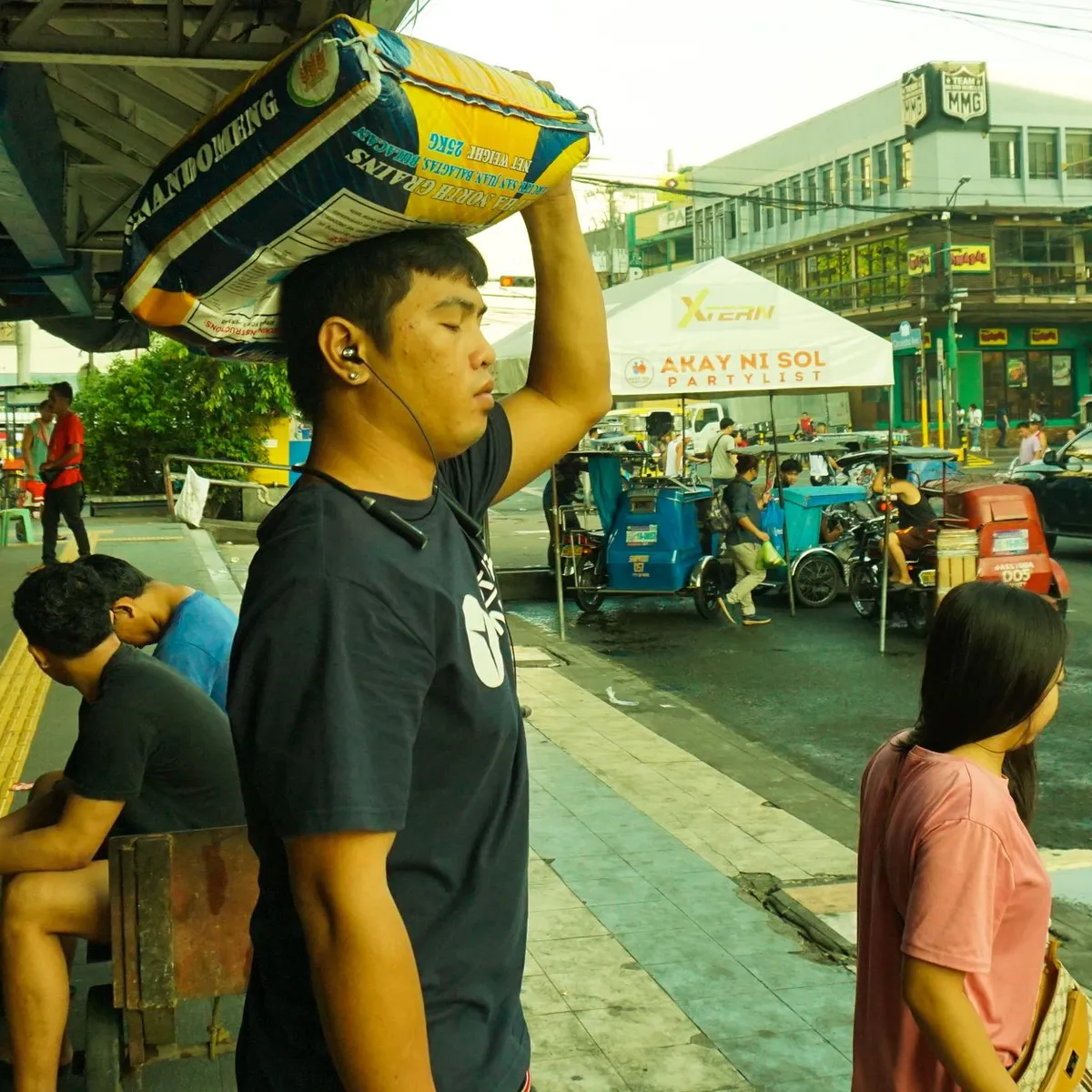
 Photo: Nico Andrei Sta. Ana / Pexels
Pasig City
Pasig City accessibility for wheelchair users
Compare Pasig City by accessibility, transport, terrain, healthcare, cost, weather, laws, reviews, and community notes.
Pasig City accessibility scores
Compare Pasig City by accessibility, transport, terrain, healthcare, cost, weather, and laws. General stats use public data and models. Community rows reflect member reviews and votes.
General stats
National benchmarks and estimates — your experience in this city may differ.
Community
Starts from our estimate — thumbs up nudge toward Excellent, down toward Poor. Reviews use 1–5 stars.
These figures combine public statistics, models, and live weather where available. Every city is different — treat this as a guide, and share what you know in the Reviews & Corrections tab.
Profile last updated 7/1/2026.
Pasig City wheelchair accessibility guide
Research Pasig City for wheelchair users and caregivers: getting around, terrain, healthcare, costs, climate, accessible things to do, and practical caveats before booking.
Last updated 7/1/2026At a glance
Pasig City is a dense Metro Manila city with strong access to malls, hospitals, offices, and services, but street-level wheelchair travel is hard. The RollVenture scores show the trade-off clearly: friendliness and costs are decent, pavement tagging is relatively strong, yet wheelchair transport, ramps, and terrain score low. It can be practical if you live near a mall, clinic, or BGC/Ortigas-style managed district, and frustrating if you need to roll independently through ordinary streets.
Getting around
Plan around ride-hailing, private cars, and short controlled routes. Jeepneys, buses, and rail connections in the wider metro are improving in places but remain inconsistent for wheelchair boarding, station access, and last-mile sidewalks. Traffic is a major fatigue factor; a five-kilometre trip can take far longer than expected. Ask drivers to stop at mall or building entrances with ramps rather than at curbside gaps.
Terrain & mobility
The terrain profile labels the area hilly, with a sampled maximum grade around 5.3% and a large elevation range in the wider grid. Pasig also has flood-prone and drainage-sensitive streets. On the positive side, the OSM pavement sample is high confidence, with 58% good tagged surfaces and dominant concrete/asphalt/paved surfaces. That helps inside planned business districts, but narrow sidewalks, utility poles, driveway lips, footbridges, and missing curb cuts are common Metro Manila barriers.
Healthcare & care
OpenStreetMap healthcare leads include Joson Medical Clinic, Mother Regina, UST Hospital Clinical Division, Miraculous Medal Hospital, and J. P. Sioson General Hospital in the wider metro dataset. Treat those as leads and verify current access. Metro Manila has many private hospitals and clinics, but accessible toilets, drop-off design, and elevator crowding vary. The DB estimates medical costs from ~$130/mo, PT from ~$91/mo, and home aid from ~$404/mo.
Costs & housing
The row estimates monthly living from ~$2034/mo, housing from ~$905/mo, and transport from ~$173/mo. Accessible condos are possible but must be checked carefully: lobby ramp, elevator uptime, bathroom threshold, shower layout, generator coverage, and whether the route to groceries avoids footbridges. Paying more for a building connected to a mall or major office complex can reduce daily access risk.
Climate & comfort
Pasig is hot, humid, and rainy, with typhoon-season disruptions. Flooding and sudden downpours can make curb ramps unusable and leave wheelchair users stranded between indoor anchors. Choose air-conditioned routes, carry rain protection for chair electronics, and avoid scheduling critical appointments at peak traffic or storm-prone hours.
Accessible things to do
Estancia / Capitol Commons— a managed mall-and-dining district where indoor circulation, lifts, toilets, and drop-offs are more predictable than ordinary streets.
Ayala Malls The 30th— another practical indoor anchor for food, cinema, errands, and weather breaks; confirm accessible restroom locations on arrival.
Pasig Rainforest Park— a local park option; verify current paths, ramps, and restroom access before committing because outdoor surfaces vary.
Ortigas Center edges— useful for restaurants, hotels, and medical/office visits, with better managed entrances than many residential streets.
Community & language
English is widely useful in hospitals, hotels, and malls; Tagalog helps for taxis, guards, and local errands. Security guards often know the most practical step-free entrances, so ask them for the easiest route rather than following map directions blindly.
Would we recommend it?
Yes for a serviced-apartment or condo stay near malls and clinics; no for a visitor expecting easy independent sidewalk travel. Pasig works best as a strategic Metro Manila base with ride-hailing and indoor anchors.
These figures combine public statistics, models, and live weather where available. Every city is different — treat this as a guide, and share what you know in the Reviews & Corrections tab.
Profile last updated 7/1/2026.