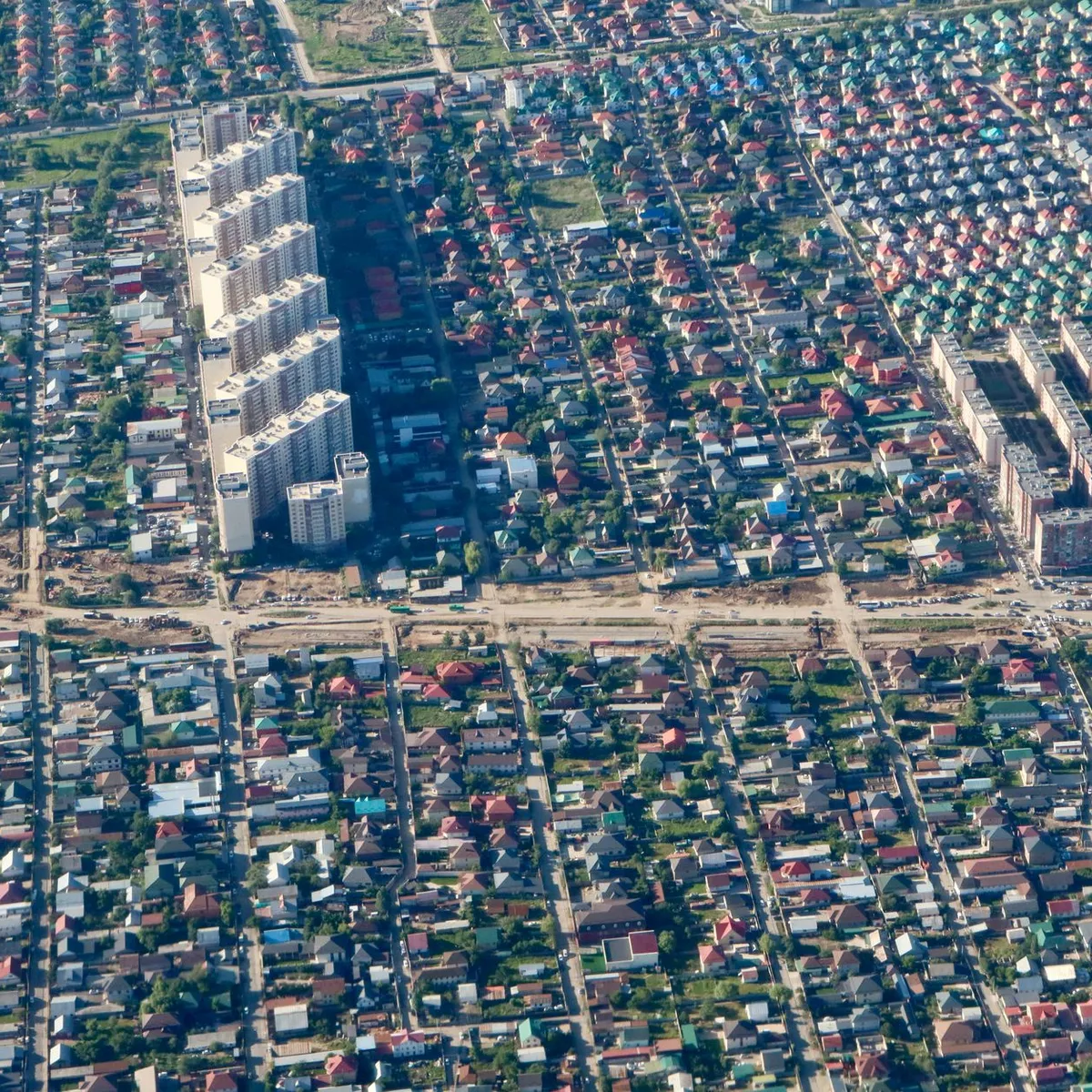
 Photo: Konevi / Pexels
Pavlodar
Pavlodar accessibility for wheelchair users
Compare Pavlodar by accessibility, transport, terrain, healthcare, cost, weather, laws, reviews, and community notes.
Pavlodar accessibility scores
Compare Pavlodar by accessibility, transport, terrain, healthcare, cost, weather, and laws. General stats use public data and models. Community rows reflect member reviews and votes.
General stats
National benchmarks and estimates — your experience in this city may differ.
Community
Starts from our estimate — thumbs up nudge toward Excellent, down toward Poor. Reviews use 1–5 stars.
These figures combine public statistics, models, and live weather where available. Every city is different — treat this as a guide, and share what you know in the Reviews & Corrections tab.
Profile last updated 7/2/2026.
Pavlodar wheelchair accessibility guide
Research Pavlodar for wheelchair users and caregivers: getting around, terrain, healthcare, costs, climate, accessible things to do, and practical caveats before booking.
Last updated 7/2/2026At a glance
Pavlodar is a northern Kazakhstan city on the Irtysh River. It has a useful urban grid, a tram system, and central cultural venues, but wheelchair access should be treated as inconsistent and winter-sensitive. The live row gives it a 55 overall score and 38 accessibility score, with costs from ~$2,276/mo and housing from ~$1,184/mo. Terrain is one of the better points: OpenTopoData/ASTER samples show gentle slopes, average elevation around 120 m, and maximum sampled grade under 1%. The access challenge is less hills and more surface quality, winter snow/ice, curb cuts, building entrances, and whether transit vehicles/stops are actually usable.
Getting around
Pavlodar is known for public transport including trams, buses, and river/rail connections, but do not assume step-free transit. Verify low-floor vehicles, stop platforms, winter clearing, and whether drivers assist. A wheelchair user should budget for taxis or a private driver, especially in cold months. If staying centrally, choose a unit near shops, pharmacy, and a clinic so daily errands are short and can be tested before committing.
Terrain & mobility
The city’s physical grade is favorable compared with hilly destinations: the sampled profile is gently rolling, with a 0.9% maximum sampled grade and 62 m elevation range. Pavement data is low confidence, however; many streets are untagged in OSM, with asphalt and unpaved surfaces mixed. Expect variable curb ramps, apartment entrances with steps, snow banks in winter, and rough crossings away from central boulevards. Power-chair users should check battery performance in cold weather; manual-chair users should plan for assistance when snow or slush appears.
Healthcare & care
OSM lists central medical leads including Клиника доктора Онипко, Healthy Line, A.S.K.MED, Железнодорожная больница, and Unimed. Treat these as starting points only. Confirm accessible entrance, elevator access, language support, payment expectations, and whether equipment such as imaging or lab work is available. The row estimates medical costs from ~$126/mo and home aid from ~$389/mo, but dependable in-home support may require Russian or Kazakh language help and local references.
Costs & housing
Use the DB estimate of from ~$2,276/mo, with housing from ~$1,184/mo, transport from ~$168/mo, medical from ~$126/mo, and home aid from ~$389/mo. For accessibility, prioritize newer buildings with lift photos, measured bathroom clearance, step-free entry from the street or parking area, and building management that can explain snow clearing. In older Soviet-era blocks, stairs at the entrance or small lifts may be deal-breakers.
Climate & comfort
Climate is a major factor. Pavlodar has cold winters and hot summers; winter can turn an otherwise flat city into a difficult access environment. Ask landlords about heating, entry clearing, elevator reliability, and indoor drying/charging space for mobility equipment. In summer, long daylight and riverfront areas can be pleasant, but shade and smooth surfaces still matter.
Accessible things to do
Irtysh River embankment— a logical first outdoor route because it is central and flat in concept; verify ramped access, surface condition, and winter clearing.
Mashkhur Jusup Mosque— a major city landmark; confirm step-free visitor access, shoe-area logistics, and quiet visiting times.
Regional History Museum / local museums— useful indoor options if entrances and internal circulation are confirmed ahead of time.
Shanyraq Concert Hall / cultural venues— listed among city cultural landmarks; call before booking to confirm wheelchair seating, toilets, and entrance route.
Central parks and squares— good low-cost options in fair weather, but inspect curb cuts, paving, and toilet access rather than assuming usability.
Community & language
Russian is widely useful; Kazakh is also important. English may be limited outside hotels or younger service workers, so save written accessibility questions in Russian/Kazakh and ask for photos. Disability-law protections exist but practical enforcement varies.
Would we recommend it?
Possibly for a budget-conscious traveler who can handle cold-weather planning and arrange local help. Pavlodar’s flat terrain is a real plus, but winter maintenance, weak access documentation, and uncertain step-free transit mean it is not a simple first-choice wheelchair base.
These figures combine public statistics, models, and live weather where available. Every city is different — treat this as a guide, and share what you know in the Reviews & Corrections tab.
Profile last updated 7/2/2026.