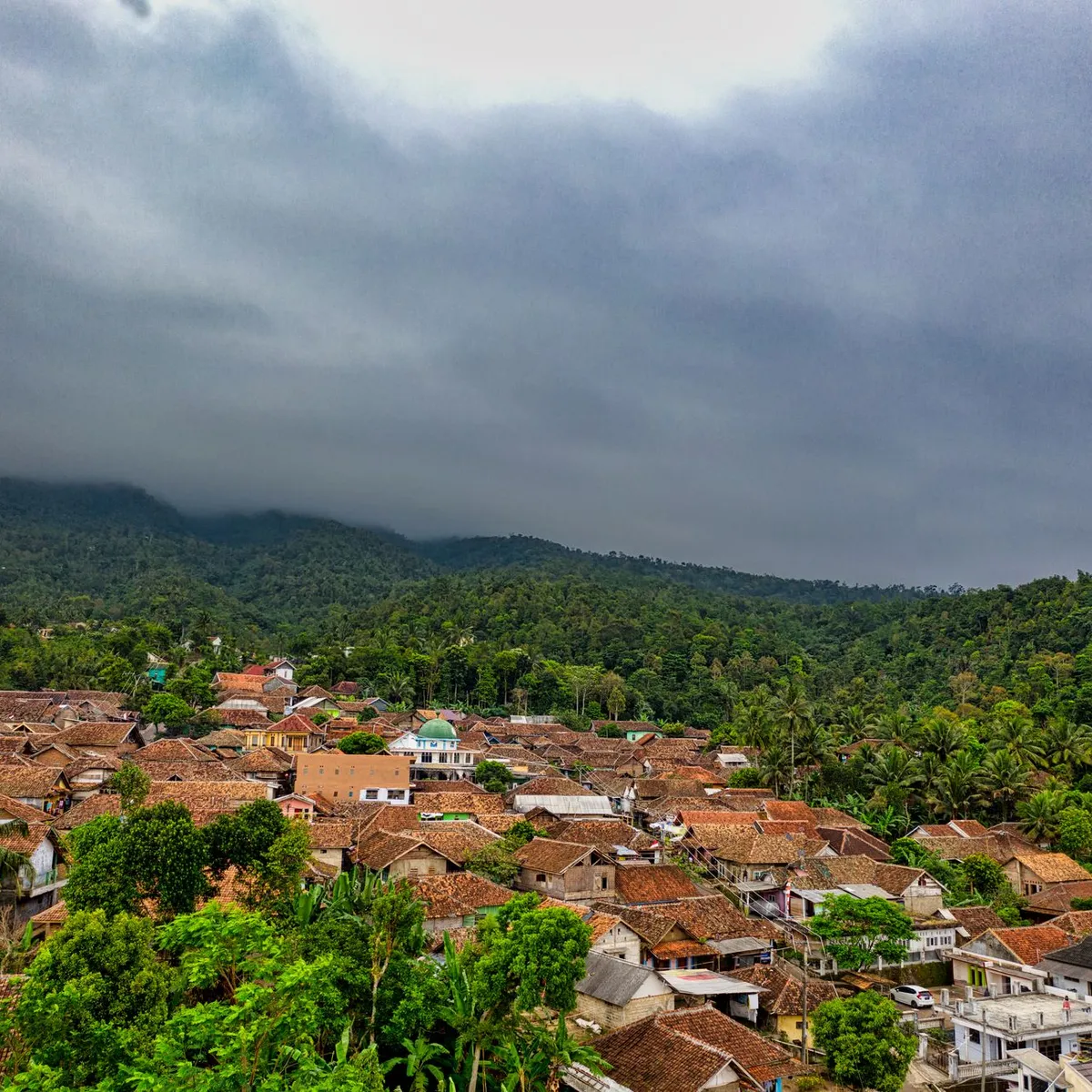
 Photo: Tom Fisk / Pexels
Pematangsiantar
Pematangsiantar accessibility for wheelchair users
Compare Pematangsiantar by accessibility, transport, terrain, healthcare, cost, weather, laws, reviews, and community notes.
Pematangsiantar accessibility scores
Compare Pematangsiantar by accessibility, transport, terrain, healthcare, cost, weather, and laws. General stats use public data and models. Community rows reflect member reviews and votes.
General stats
National benchmarks and estimates — your experience in this city may differ.
Community
Starts from our estimate — thumbs up nudge toward Excellent, down toward Poor. Reviews use 1–5 stars.
These figures combine public statistics, models, and live weather where available. Every city is different — treat this as a guide, and share what you know in the Reviews & Corrections tab.
Profile last updated 7/1/2026.
Pematangsiantar wheelchair accessibility guide
Research Pematangsiantar for wheelchair users and caregivers: getting around, terrain, healthcare, costs, climate, accessible things to do, and practical caveats before booking.
Last updated 7/1/2026At a glance
Pematangsiantar, often called Siantar, is North Sumatra's second major city and a practical stop between Medan and Lake Toba. It has a lively food culture, Batak and Chinese-Indonesian communities, and a few compact sights, but it is not an easy wheelchair city. The DB profile shows hilly wider terrain, low ramp availability, low wheelchair transport, and low-confidence pavement data. The upside is cost: budget from ~$1,638/mo, with housing from ~$532/mo. It is best for travelers with a companion, flexible equipment, and realistic expectations.
Getting around
Wikivoyage notes that access is usually via Medan, with shared taxis and trains, and that local travel often uses becak motor-tricycles, minibuses, or rented motorbikes. None of those should be treated as wheelchair-accessible. A traveler who can transfer may use a becak for short trips with help, but a power-chair user should pre-arrange a car or van. The city center has two main commercial roads, which helps keep errands compact, but street crossings and sidewalks need caution.
Terrain & mobility
The DB terrain profile labels the wider area hilly, with sampled grades up to about 7.7% and a large elevation range. The OSM pavement profile is low-confidence and mostly untagged, so do not assume smooth footways. In practice, expect broken sidewalks, drainage channels, curbs without cuts, motorbikes parked in pedestrian space, and steep approaches in some neighborhoods. If you plan a Lake Toba connection, treat that as a separate accessibility challenge with hills and boat/vehicle transfers.
Healthcare & care
OpenStreetMap healthcare leads include Rumah Sakit Vita Insani, RS Murni Teguh (Horas Insani), Klinik Aisyiyah Pematangsiantar, and more distant Puskesmas facilities. These are practical leads only. Before arrival, call to confirm entrance ramps, emergency department access, lift status, and whether staff can communicate in Indonesian or English. Medan may be the safer backup for complex care or specialist equipment.
Costs & housing
The DB estimate is from ~$1,638/mo, with housing from ~$532/mo, making Siantar attractive on budget. But the accessible unit may cost more than the average. Ask for exact video proof of the entrance, bathroom, bed route, shower threshold, and street slope. Newer hotels near main roads may beat cheaper guesthouses if they have a lift and staff available. Confirm air-conditioning and power reliability.
Climate & comfort
Siantar is cooler than some lowland Indonesian cities because of elevation, but it is still tropical, humid, and rainy. Wet pavement, mossy steps, and drainage gaps can be more dangerous than heat. Plan errands in daylight, carry rain protection for cushions and electronics, and give yourself extra transfer time after storms.
Accessible things to do
Vihara Avalokitesvara— Wikivoyage lists this Buddhist temple and its tall Kwan Im statue as a city sight. Verify bridge, courtyard, and threshold access before visiting.
Taman Hewan Pematangsiantar / Pematangsiantar Zoo— A central outing with tropical trees and native animals; paths, slopes, and toilets need current checking.
Sidamanik Tea Plantation— About 30 minutes southwest; scenic but likely uneven and vehicle-based for wheelchair users unless a specific accessible stop is confirmed.
City center food market and main-road cafés— A practical cultural outing if you go with a local helper and avoid the busiest hours; watch for tight aisles and wet floors.
Community & language
Indonesian is essential; Batak languages and Chinese-Indonesian communities are part of local life. English may be limited outside hotels. People can be helpful, but explain equipment handling clearly and avoid letting anyone lift a chair without permission.
Would we recommend it?
Only with support. Pematangsiantar is affordable and culturally interesting, but hilly terrain, uncertain sidewalks, and non-accessible transport make independent wheelchair living difficult.
These figures combine public statistics, models, and live weather where available. Every city is different — treat this as a guide, and share what you know in the Reviews & Corrections tab.
Profile last updated 7/1/2026.