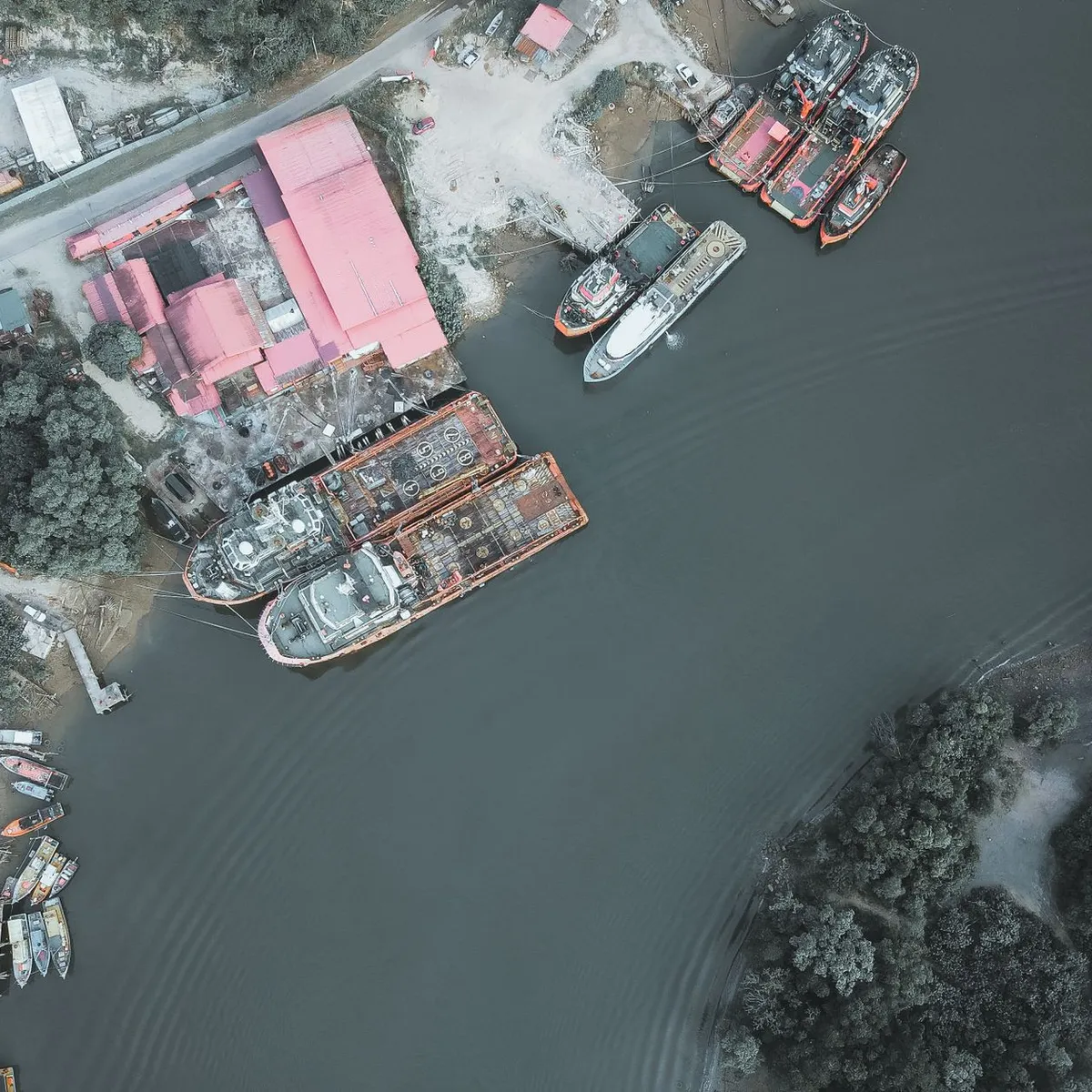
 Photo: Pok Rie / Pexels
Port-Gentil
Port-Gentil accessibility for wheelchair users
Compare Port-Gentil by accessibility, transport, terrain, healthcare, cost, weather, laws, reviews, and community notes.
Port-Gentil accessibility scores
Compare Port-Gentil by accessibility, transport, terrain, healthcare, cost, weather, and laws. General stats use public data and models. Community rows reflect member reviews and votes.
General stats
National benchmarks and estimates — your experience in this city may differ.
Community
Starts from our estimate — thumbs up nudge toward Excellent, down toward Poor. Reviews use 1–5 stars.
These figures combine public statistics, models, and live weather where available. Every city is different — treat this as a guide, and share what you know in the Reviews & Corrections tab.
Profile last updated 7/1/2026.
Port-Gentil wheelchair accessibility guide
Research Port-Gentil for wheelchair users and caregivers: getting around, terrain, healthcare, costs, climate, accessible things to do, and practical caveats before booking.
Last updated 7/1/2026At a glance
Port-Gentil is Gabon’s coastal oil-and-port city, physically easier than many African cities because the terrain is extremely flat, but logistically unusual because Wikivoyage notes it has no road connection to the rest of Gabon and relies on air and marine links. RollVenture’s row shows low accessibility, medium-confidence pavement data, and costs from ~$2,308/mo. The best wheelchair strategy is to treat Port-Gentil as a private-transport, hotel-confirmed coastal base: verify airport transfers, step-free lodging, and clinic options before arrival. Leave extra time for weather delays and for checking each transfer in person.
Getting around
Wikivoyage identifies Port-Gentil Airport as the air gateway and mentions marine links, including ferry service across the Ogooué River. Taxis are available, but wheelchair accessibility is not documented. Arrange airport pickup through the hotel or a known driver, and confirm whether your chair folds, whether the vehicle has a low sill, and how luggage will be handled. Marine travel should be considered only after checking gangways, tides, crew assistance, and bathroom access.
Terrain & mobility
The terrain profile is excellent on paper: mostly flat, very low elevation, and a small elevation range. The access problem is surfaces. OSM pavement data shows asphalt mixed with unpaved and sand, so waterfront edges, sandy approaches, and drainage gaps may be barriers. Choose accommodation with paved internal paths and avoid assuming beach access is rollable.
Healthcare & care
OSM healthcare leads include Polyclinique Saint-Pierre, Clinique du Littoral, Clinique Médicale de l’Ogooué, Clinique Mandji, and Kabinet ITOU close to the centre. These are useful leads but not guarantees. Before travel, ask the hotel which clinic expatriate workers use, whether emergency transport is reliable, and whether evacuation to Libreville would be needed for complex care.
Costs & housing
The DB estimate is from ~$2,308/mo, with housing around $1,183. Oil-sector demand can make lodging expensive. Pay more attention to access than price: lift status, generator reliability, bathroom layout, entrance steps, paved approach, and whether staff can assist with taxis.
Climate & comfort
Equatorial humidity, rain, and heat can make transfers tiring. Flat terrain helps, but shade, air-conditioning, and backup power matter. Salt air and rain can also affect wheelchair electronics and cushions.
Accessible things to do
Port-Gentil waterfront / peninsula drive— A flat, vehicle-supported way to experience the city; verify safe stopping points and paved surfaces.
Ogooué River / marine-link viewpoints— Wikivoyage notes the city’s ferry and river-delta connections; enjoy as a viewpoint unless boat access is confirmed.
Port-Gentil Airport arrival route— Not a tourist sight, but a critical access route to audit early for transfers and emergency departure planning.
Central restaurant or hotel outing— Wikivoyage lists La Case and Appart Hôtel Isis as local leads; verify entrances and toilets directly before going.
Community & language
French is the working language. English may be available in oil-sector hotels, but arrange French help for clinics, taxis, and ferry questions.
Would we recommend it?
Cautiously, for travellers who can afford verified hotel/driver support. The flat terrain is a plus; the lack of road connection, humid climate, and unverified accessibility are the main risks.
These figures combine public statistics, models, and live weather where available. Every city is different — treat this as a guide, and share what you know in the Reviews & Corrections tab.
Profile last updated 7/1/2026.