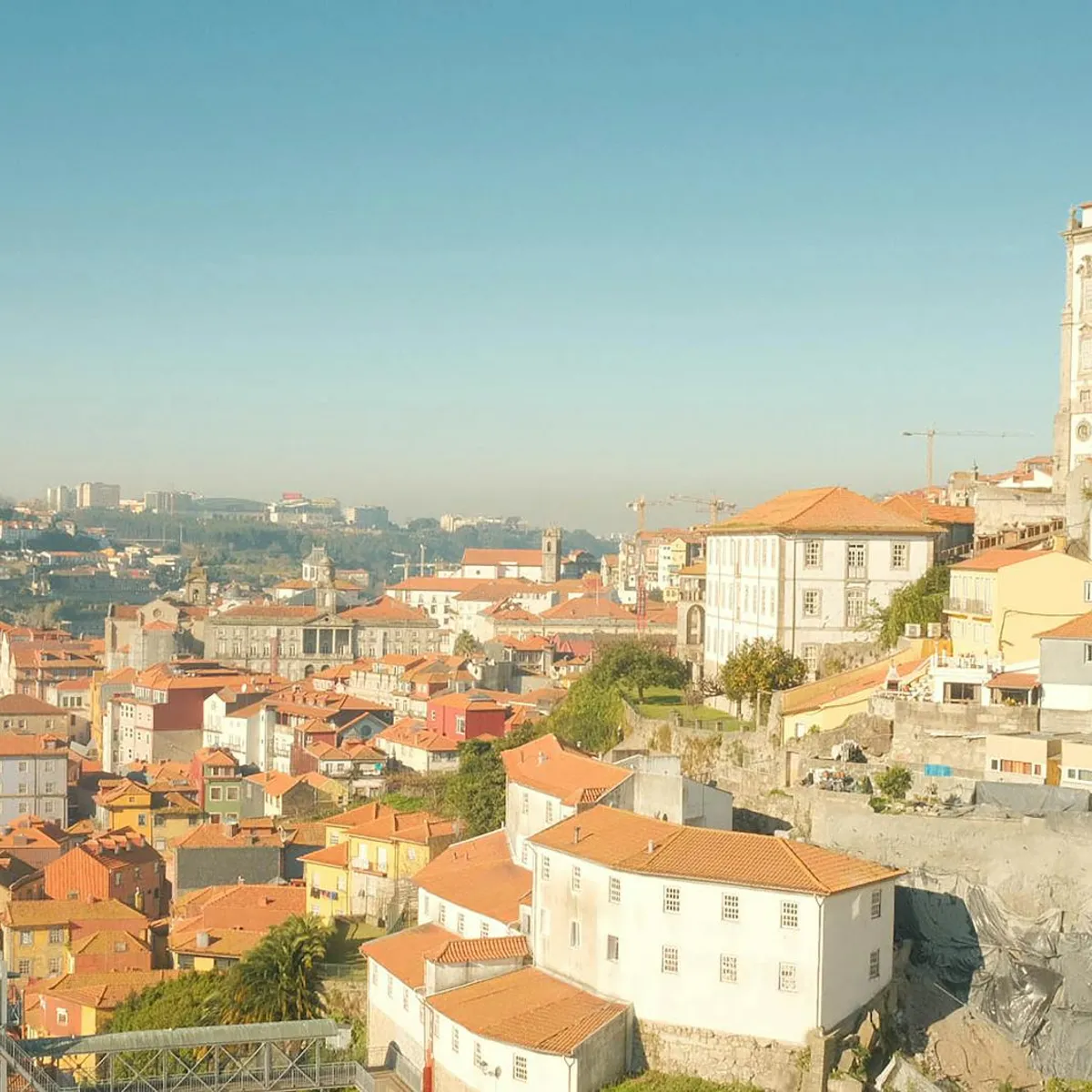
 Photo: Jérémy Glineur / Pexels
Porto
Porto accessibility for wheelchair users
Compare Porto by accessibility, transport, terrain, healthcare, cost, weather, laws, reviews, and community notes.
Porto accessibility scores
Compare Porto by accessibility, transport, terrain, healthcare, cost, weather, and laws. General stats use public data and models. Community rows reflect member reviews and votes.
General stats
National benchmarks and estimates — your experience in this city may differ.
Community
Starts from our estimate — thumbs up nudge toward Excellent, down toward Poor. Reviews use 1–5 stars.
These figures combine public statistics, models, and live weather where available. Every city is different — treat this as a guide, and share what you know in the Reviews & Corrections tab.
Profile last updated 6/30/2026.
Porto wheelchair accessibility guide
Research Porto for wheelchair users and caregivers: getting around, terrain, healthcare, costs, climate, accessible things to do, and practical caveats before booking.
Last updated 6/30/2026At a glance
Porto is beautiful, friendly, and culturally rich, but it is not an easy wheelchair city. RollVenture's live row gives it 72 overall, 69 accessibility, and estimated living cost from ~$3,263/mo. The core issue is terrain and surface: steep approaches, stone pavements, and riverfront level changes can make short distances feel long. With careful lodging and transport planning, Porto can still work well for a short or medium stay.
Getting around
Metro do Porto publishes accessibility information and is usually the best first-choice public transport layer, especially for airport and cross-city trips. Buses and historic areas are more variable. Accessible taxis should be booked ahead, and hilly last-mile segments can be the difference between an easy day and an impossible one. Stay near a metro station with confirmed lift access rather than deep in the steep riverside lanes.
Terrain & mobility
The DB terrain profile labels Porto hilly, with a 3.3% maximum sampled grade and 270 m elevation range. Pavement confidence is high but the surface mix includes sett/stone, asphalt, compacted sections, and many untagged ways. That matches the lived risk: some routes are smooth enough, but old stone, drainage lips, and steep streets can be punishing for manual chairs and small caster wheels.
Healthcare & care
The healthcare profile lists nearby clinic leads including USF Rainha D. Amélia and several central private clinic/lab entries, sourced from OSM. Verify access, appointment languages, and payment model directly. The DB estimates medical costs from ~$134/mo, PT from ~$94/mo, and home aid from ~$605/mo, but English-speaking private support or accessible transport add-ons may raise real costs.
Costs & housing
Housing is listed from ~$1,743/mo and total living cost from ~$3,263/mo. The best accessible housing is likely in newer buildings or renovated apartments near metro corridors, not necessarily in the most atmospheric old streets. Require no-step entry, lift measurements, bathroom photos, and a map/video of the route to the nearest metro, grocery, and pharmacy.
Climate & comfort
Porto has mild summers and very wet winters. Rain is a serious mobility factor because stone surfaces and slopes become slick. Autumn and winter plans should include waterproof lap covers, traction, extra charging margin, and taxi backup. Summer is easier, though crowds around Ribeira and bridge viewpoints can slow movement.
Accessible things to do
Serralves Museum and Park— The foundation publishes visitor/access information; it is one of the better cultural anchors to verify for indoor-outdoor routes.
Casa da Música— The concert hall publishes accessibility information and is a practical modern-architecture stop; reserve wheelchair seating in advance.
WOW Porto / Vila Nova de Gaia cultural district— Modern museum/food venues can be more manageable than the old riverfront, but confirm lifts and slopes before going.
Ribeira and Dom Luís I bridge viewpoints— Scenic but challenging; choose the level approach carefully and be ready to turn around if cobbles, crowds, or grade are unsafe.
Community & language
Portuguese is primary, with English common in tourism. Porto is welcoming, but disability logistics are very route-specific. Local hosts, hotel staff, and venue teams can be helpful if you ask concrete questions: exact entrance, lift, toilet, slope, and taxi drop-off.
Would we recommend it?
Yes for experienced wheelchair travelers who want culture and can plan routes carefully. We would be cautious for first-time solo wheelchair travel, heavy manual chairs, or anyone who needs consistently flat, smooth streets.
These figures combine public statistics, models, and live weather where available. Every city is different — treat this as a guide, and share what you know in the Reviews & Corrections tab.
Profile last updated 6/30/2026.