 Photo: Magda Ehlers / Pexels
Pretoria
Pretoria accessibility for wheelchair users
Compare Pretoria by accessibility, transport, terrain, healthcare, cost, weather, laws, reviews, and community notes.
Pretoria accessibility scores
Compare Pretoria by accessibility, transport, terrain, healthcare, cost, weather, and laws. General stats use public data and models. Community rows reflect member reviews and votes.
General stats
National benchmarks and estimates — your experience in this city may differ.
Community
Starts from our estimate — thumbs up nudge toward Excellent, down toward Poor. Reviews use 1–5 stars.
These figures combine public statistics, models, and live weather where available. Every city is different — treat this as a guide, and share what you know in the Reviews & Corrections tab.
Profile last updated 7/1/2026.
Pretoria wheelchair accessibility guide
Research Pretoria for wheelchair users and caregivers: getting around, terrain, healthcare, costs, climate, accessible things to do, and practical caveats before booking.
Last updated 7/1/2026At a glance
Pretoria is a practical but uneven base for wheelchair users: big-city services, many named museums and parks, and relatively good mapped pavement in the live RollVenture profile, but hills, security planning, and inconsistent access details matter. The city row scores accessibility at 49/100 and overall at 55/100, with costs from ~$2,500/mo. Treat this as a city where a powered chair, local driver, and carefully chosen accommodation can make the difference between workable and frustrating.
Getting around
Plan around car transport or pre-arranged taxis rather than assuming spontaneous step-free public transport. Wikivoyage lists rail, bus, taxi, and car-hire options, but it does not provide a wheelchair-access audit for them. Pretoria railway station, Gautrain/rail connections, and Tshwane buses can be useful leads; confirm ramps, lifts, boarding help, and safe drop-off points before relying on them. For daily life, choose lodging close to Menlyn, Hatfield, Arcadia, or another target district rather than crossing the city repeatedly.
Terrain & mobility
The DB terrain profile marks Pretoria as hilly, with sampled elevation around 1,365 m and a 301 m elevation range. That means neighborhood choice matters. The pavement profile is encouraging where OSM has surface tags: high confidence, mostly asphalt or paving stones, and very little tagged poor surface. Still, curb cuts, driveway lips, security gates, and steep property entrances should be verified locally.
Healthcare & care
The city has strong healthcare leads compared with many rows in this batch. OSM lists central clinics and Tshwane District Hospital near the core, while Wikivoyage also names Unitas Hospital under stay-healthy information. Treat OSM facilities as leads, not guarantees: call ahead about ramped entrances, accessible toilets, imaging access, and whether your insurance/payment method is accepted.
Costs & housing
The live profile estimates monthly living costs from ~$2,500/mo, including housing around $1,251, food around $364, and local transport around $190. Accessible housing is the key unknown. Ask for recent photos or video of the entrance, parking path, bathroom, shower threshold, bed height, lift reliability, and backup power arrangements.
Climate & comfort
Pretoria is warmest and wettest in summer, with DB climate data around 22°C and frequent rain in December-January; winter is drier and cooler, around 12°C in June-July. Summer storms can turn curb ramps and parking lots into drainage problems, while dry winter days are easier for outdoor routing.
Accessible things to do
Pretoria Botanical Gardens— a calmer outdoor option listed by Wikivoyage; verify paved route continuity and accessible toilets before visiting.
Union Buildings gardens— a major civic landmark; better for views and open-air time than for assuming full step-free access everywhere.
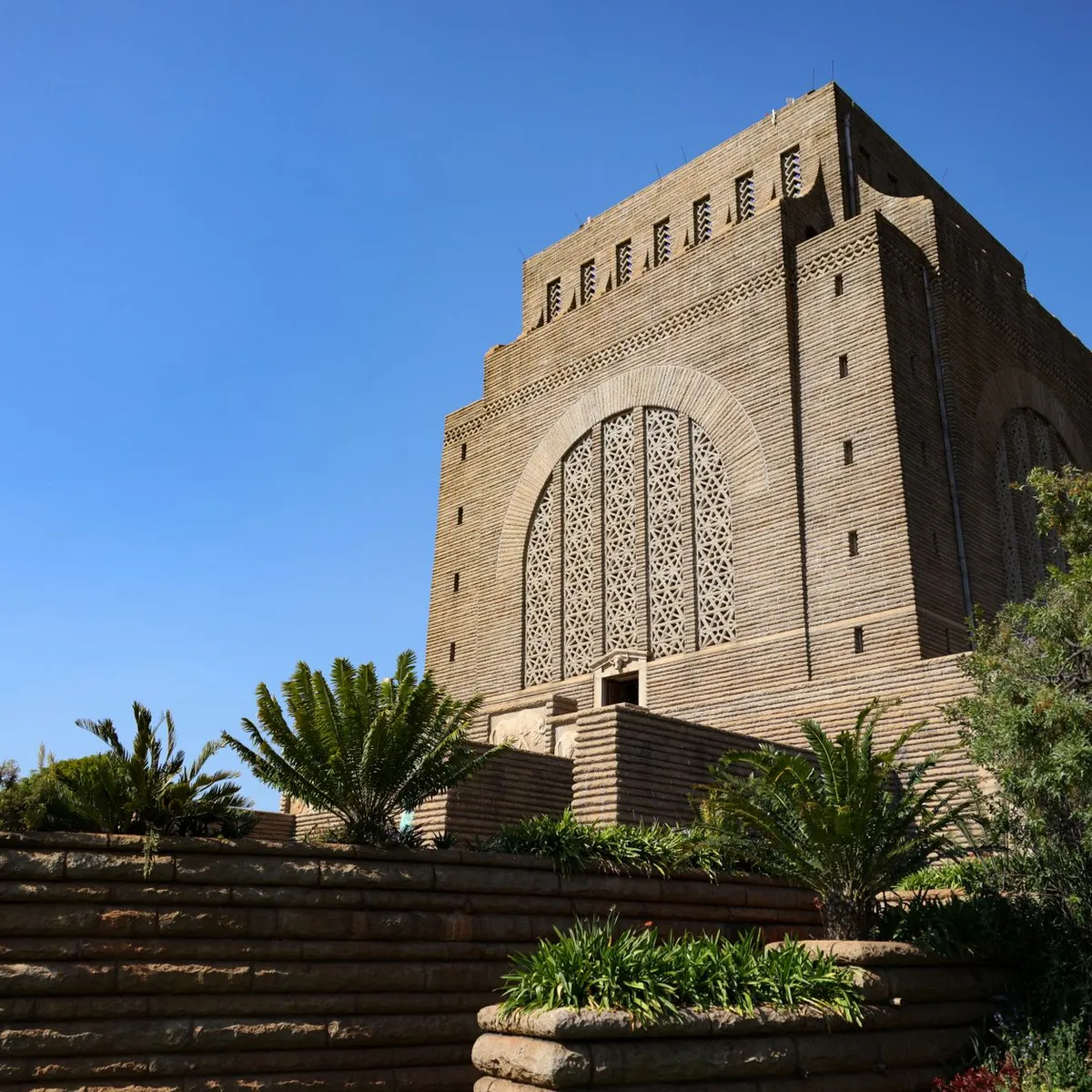
Voortrekker Monument and Fort Schanskop— a major museum/monument complex; contact the venue first about lifts, ramps, and parking-to-entrance gradients.
Freedom Park / //hapo Museum— useful for South African history, but confirm current ramp, lift, and exhibition access details before booking transport.
Church Square— central heritage area; use it as a short, daylight, assisted route because surfaces, crossings, and traffic can vary.
Community & language
English is widely useful, with Afrikaans and local South African languages also present. For disability logistics, written confirmations help: ask hotels, drivers, and venues to confirm specific measurements rather than “accessible” in general.
Would we recommend it?
Yes, cautiously, for wheelchair users who want a large administrative city with museums, hospitals, and driver-based mobility. It is less suitable for someone needing independent public transport, low-crime strolling, or guaranteed step-free access without advance checks.
These figures combine public statistics, models, and live weather where available. Every city is different — treat this as a guide, and share what you know in the Reviews & Corrections tab.
Profile last updated 7/1/2026.