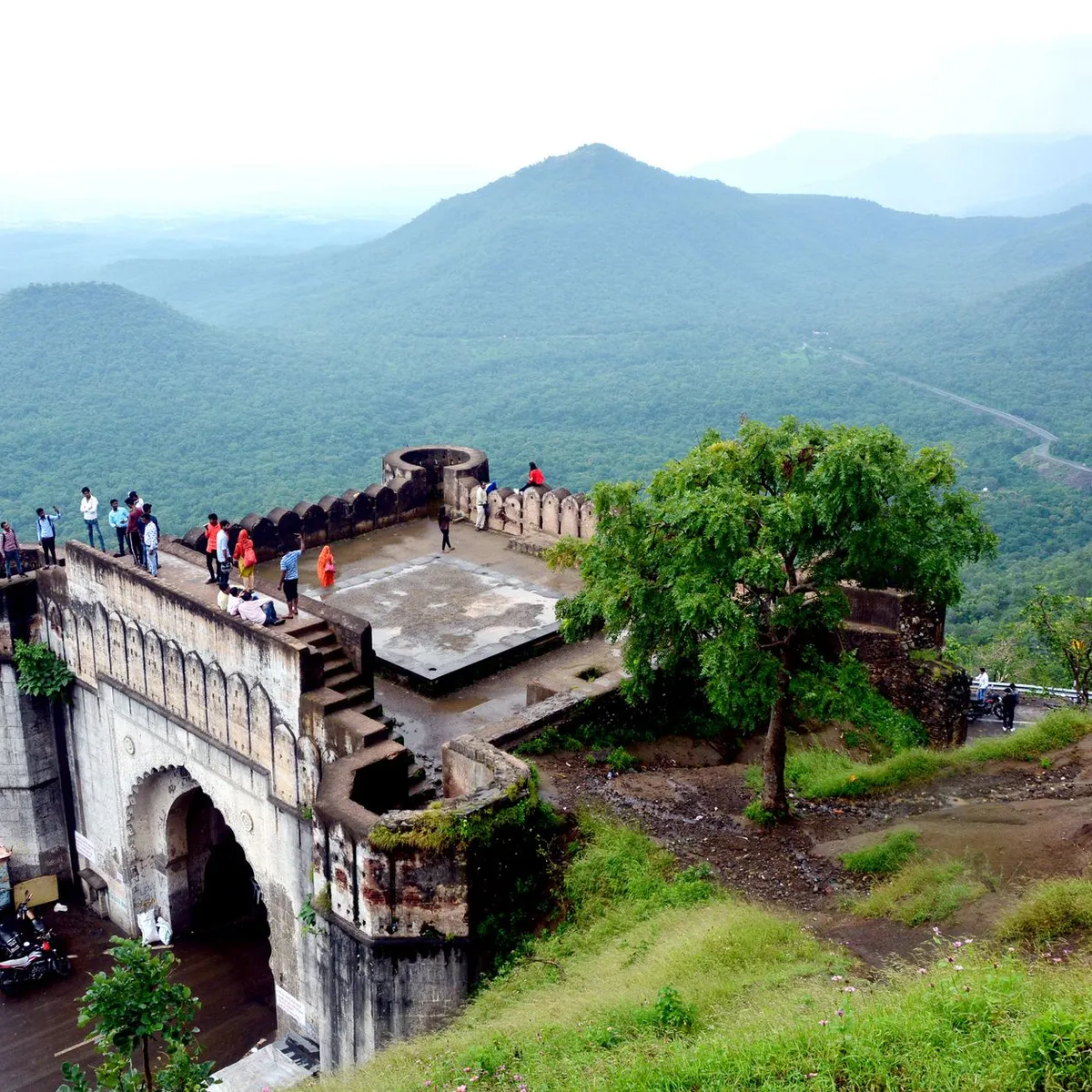
 Photo: DILIP BHALERAO / Pexels
Pune
Pune accessibility for wheelchair users
Compare Pune by accessibility, transport, terrain, healthcare, cost, weather, laws, reviews, and community notes.
Pune accessibility scores
Compare Pune by accessibility, transport, terrain, healthcare, cost, weather, and laws. General stats use public data and models. Community rows reflect member reviews and votes.
General stats
National benchmarks and estimates — your experience in this city may differ.
Community
Starts from our estimate — thumbs up nudge toward Excellent, down toward Poor. Reviews use 1–5 stars.
These figures combine public statistics, models, and live weather where available. Every city is different — treat this as a guide, and share what you know in the Reviews & Corrections tab.
Profile last updated 7/1/2026.
Pune wheelchair accessibility guide
Research Pune for wheelchair users and caregivers: getting around, terrain, healthcare, costs, climate, accessible things to do, and practical caveats before booking.
Last updated 7/1/2026At a glance
Pune is a large Deccan Plateau city with better healthcare depth than many Indian destinations, but wheelchair users should treat it as a planning-heavy base rather than an easy-access city. RollVenture's live row shows a modest accessibility score of 30, hilly terrain around 611 m elevation, low-confidence pavement data, and an estimated monthly living cost from ~$1,550/mo. The practical upside is scale: hospitals, app-based transport, malls, hotels, and newer metro infrastructure give you more options than a small city. The catch is uneven sidewalks, traffic, monsoon flooding risk, and a weak curb-cut culture outside newer commercial zones.
Getting around
Pune Metro's official site confirms the network is active and expanding, and metro stations are usually the first places to verify for lifts, ramps, toilets, and step-free entries. Use it for predictable corridors when your origin and destination are close to stations. For the rest of the city, pre-book accessible taxis or larger app cabs, because auto-rickshaws are rarely wheelchair-friendly and road crossings can be stressful. Build extra time for traffic, especially around Shivajinagar, Swargate, Hinjawadi approaches, and monsoon evenings.
Terrain & mobility
The city is not mountainous, but it is not flat in the lived wheelchair sense. The DB terrain profile marks Pune as hilly with a 208 m sampled elevation range; slopes around older neighborhoods, bridge approaches, and hill-adjacent areas can matter. Pavement data is low confidence and mostly untagged, so do not assume continuous sidewalks. Koregaon Park, Kalyani Nagar, Viman Nagar, Baner, and newer mall districts are usually easier starting points than old peth lanes.
Healthcare & care
The DB healthcare profile lists Sassoon Hospital, Command Hospital Southern Command, Sardar Patel Cantonment General Hospital, Karva Hospital, and Sahyadri Hospital as nearby leads. Treat OSM-derived entries as a starting list, not a guarantee of wheelchair access or specialty availability. Pune has a broad private-hospital market and English is commonly used in private care, but arrange prescriptions, pressure-care supplies, caregiver backup, and emergency transport before arrival.
Costs & housing
Use the stored estimate of from ~$1,550/mo as a baseline, with housing around ~$690/mo. Step-free housing is the hardest line item: many apartment buildings have lifts but still have entrance steps, narrow bathrooms, or unreliable backup power. Ask for video walkthroughs showing the building entrance, lift width, bathroom door, shower threshold, bed height, and road surface outside.
Climate & comfort
Pune is milder than coastal Mumbai, but heat, dust, and the June-September monsoon can still disrupt mobility. Rain turns broken pavement, construction edges, and curb ramps into real hazards. Winter is the most comfortable season for outdoor pacing.
Accessible things to do
Pune Metro corridor outing— Use newer stations as a lower-friction way to structure a day; verify lift status and last-mile curb conditions on the same morning.
Aga Khan Palace— A major heritage site listed by Maharashtra tourism sources; confirm ramp access, restroom access, and gravel/threshold conditions before visiting.
Shaniwar Wada exterior and old-city drive-by— Historically important, but the fort precinct and old streets can be uneven; better as a supported short visit than a long roll.
Koregaon Park and Osho Teerth-area cafe circuit— More practical for accessible dining and rest stops than many older neighborhoods; still call venues about entrance steps.
Phoenix Marketcity / modern mall visit— A safer bad-weather fallback with lifts, toilets, and food courts, though accessible taxi drop-off still matters.
Community & language
Marathi is the local language; Hindi and English are widely useful. Disability rights exist nationally, but enforcement is inconsistent. Private hospitals, international offices, and better hotels are more likely to understand access requests than small venues.
Would we recommend it?
Yes, with support. Pune is workable for a wheelchair user who can pay for better housing, private transport, and verified care, but it is not a spontaneous roll-around city. Choose neighborhoods carefully, use the metro where it fits, and verify every threshold.
These figures combine public statistics, models, and live weather where available. Every city is different — treat this as a guide, and share what you know in the Reviews & Corrections tab.
Profile last updated 7/1/2026.
Reviews & corrections
Share your experience or suggest a data correction. Both appear publicly; admin updates official city scores and costs separately.
Log in to write a review or suggest a correction.
No reviews or corrections yet.