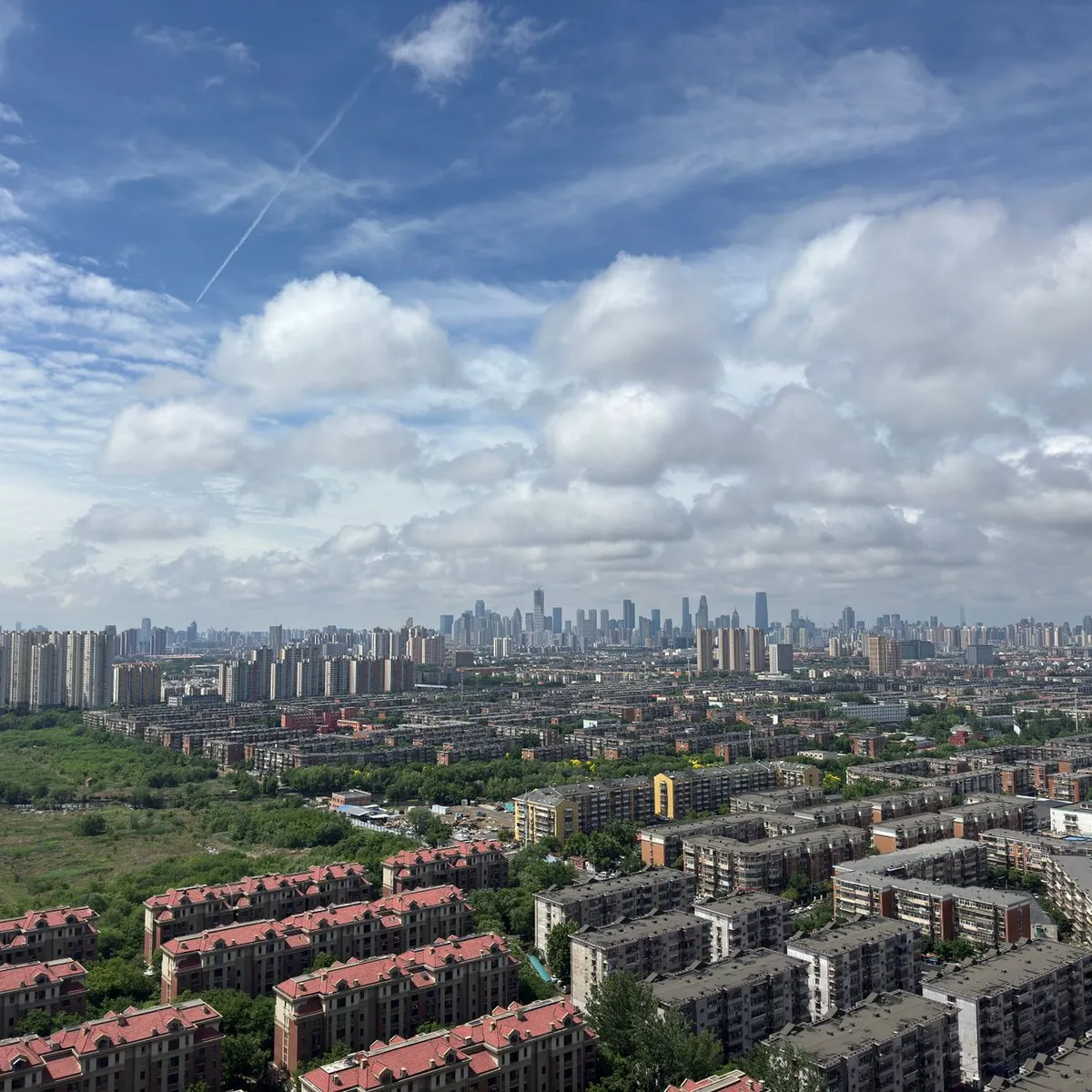
 Photo: Shuaizhi Tian / Pexels
Qiqihar
Qiqihar accessibility for wheelchair users
Compare Qiqihar by accessibility, transport, terrain, healthcare, cost, weather, laws, reviews, and community notes.
Qiqihar accessibility scores
Compare Qiqihar by accessibility, transport, terrain, healthcare, cost, weather, and laws. General stats use public data and models. Community rows reflect member reviews and votes.
General stats
National benchmarks and estimates — your experience in this city may differ.
Community
Starts from our estimate — thumbs up nudge toward Excellent, down toward Poor. Reviews use 1–5 stars.
These figures combine public statistics, models, and live weather where available. Every city is different — treat this as a guide, and share what you know in the Reviews & Corrections tab.
Profile last updated 6/30/2026.
Qiqihar wheelchair accessibility guide
Research Qiqihar for wheelchair users and caregivers: getting around, terrain, healthcare, costs, climate, accessible things to do, and practical caveats before booking.
Last updated 6/30/2026At a glance
Qiqihar is a flat northeastern China city with one standout nature draw, Zhalong Nature Reserve, and severe winter conditions that should shape every wheelchair plan. The RollVenture row estimates from ~$2,141/mo, with housing from ~$762/mo. Terrain is favorable on paper: mostly flat, low sampled grade and moderate OSM pavement confidence. The accessibility risk is not hills; it is winter ice, limited English, sparse venue-level access information and the long transfer from central hotels to wetland sights.
Getting around
Wikivoyage lists bus and taxi options for Qiqihar. For wheelchair users, taxis or private cars are the safer default because public bus accessibility is not well documented. Confirm vehicle size before booking, especially if using a rigid chair. Build routes around hotel-to-attraction transfers rather than spontaneous multi-stop days. The train station is useful for regional movement, but station lift availability, platform boarding and assistance should be confirmed in Chinese before travel.
Terrain & mobility
The terrain sample is reassuring: mostly flat, about 0.7% maximum sampled grade and low elevation range. OSM pavement confidence is medium, with paved, concrete and asphalt surfaces present, but many ways remain untagged. In warm months, central rolling should be easier than in hillier Chinese cities. In winter, flat ground can still be unsafe because snow, packed ice and road grit reduce traction. Choose hotels with sheltered entrances and short routes to food.
Healthcare & care
OpenStreetMap healthcare leads include Qiqihar Chinese Medicine Hospital, Heping Hospital, First Hospital and Qiqihar Jianhua Hospital General Hospital, several marked with emergency-type notes. Treat the OSM list as a planning lead only. Call ahead for accessible entrances, lifts, emergency services and language support. If you need regular therapy, dialysis, oxygen or personal-care help, arrange it before arrival through a hospital, hotel or local contact rather than trying to improvise after a weather delay.
Costs & housing
The database estimate is from ~$2,141/mo, with housing from ~$762/mo. Newer hotels near central transport corridors are more likely to have elevators, but bathrooms may still have thresholds, tight doors or wet-room drainage issues. Ask for a video from street entrance to lobby, lift, room and shower. Winter heating quality matters: a technically accessible apartment with poor heating or an icy building entrance can be a bad fit.
Climate & comfort
Climate is the main constraint. MCP data shows January around -17.1°C on average, with frequent snow days, while July is mild-to-warm around 24.4°C with the wettest period in summer. Wikivoyage's climate chart also signals very cold winters. For wheelchair users, late spring to early autumn is the realistic window. In winter, plan for battery performance loss, glove dexterity, ice spikes or assistance, and extra travel time.
Accessible things to do
Zhalong Nature Reserve— the real headline, known for cranes and wetlands; verify boardwalk, shuttle and toilet access before committing to the long outing.
Longsha Park— a central park listed by Wikivoyage; likely easier as a flexible short roll, but path surfaces and seasonal ice need checking.
Dacheng Temple— a listed temple and cultural relic site; expect traditional thresholds or steps and ask locally about accessible entry.
Summertime night market— a seasonal evening option; crowds, cables, curbs and temporary stalls mean it is best with a companion and an easy exit route.
Community & language
Mandarin is essential for logistics. English support is likely limited outside major hotels and railway services. Save hospital names, hotel address and attraction names in Chinese. Local assistance can be practical, but accessibility concepts need specifics: “no stairs,” “wide lift,” “can the car take a wheelchair,” and “is the toilet accessible.” For nature trips, ask the hotel to call the site on the day of travel.
Would we recommend it?
Conditionally. Qiqihar is promising for travelers who want flat terrain and crane-focused nature, but it is not a carefree accessibility city. We would recommend it in warm months with a verified hotel, private transport and conservative attraction expectations. We would not recommend winter visits for wheelchair users unless they already have local support and equipment suited to snow and ice.
These figures combine public statistics, models, and live weather where available. Every city is different — treat this as a guide, and share what you know in the Reviews & Corrections tab.
Profile last updated 6/30/2026.