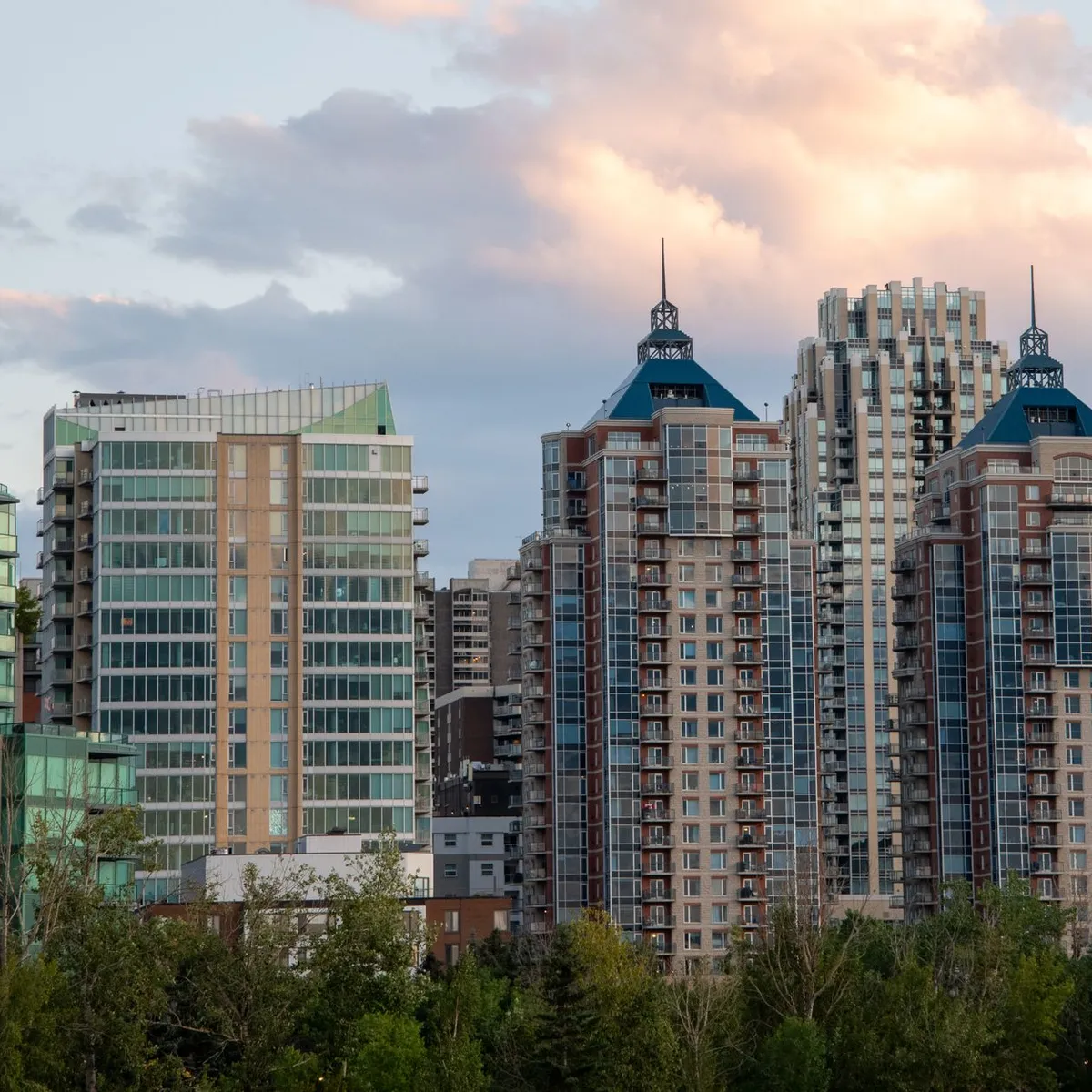
 Photo: Andrew Patrick Photo / Pexels
Regina
Regina accessibility for wheelchair users
Compare Regina by accessibility, transport, terrain, healthcare, cost, weather, laws, reviews, and community notes.
Regina accessibility scores
Compare Regina by accessibility, transport, terrain, healthcare, cost, weather, and laws. General stats use public data and models. Community rows reflect member reviews and votes.
General stats
National benchmarks and estimates — your experience in this city may differ.
Community
Starts from our estimate — thumbs up nudge toward Excellent, down toward Poor. Reviews use 1–5 stars.
These figures combine public statistics, models, and live weather where available. Every city is different — treat this as a guide, and share what you know in the Reviews & Corrections tab.
Profile last updated 6/30/2026.
Regina wheelchair accessibility guide
Research Regina for wheelchair users and caregivers: getting around, terrain, healthcare, costs, climate, accessible things to do, and practical caveats before booking.
Last updated 6/30/2026At a glance
Regina is a practical prairie city for wheelchair users who want flatter terrain, provincial services, parks, and lower complexity than Canada’s largest metros. It is not a dense car-free destination: distances, winter weather, and transit scheduling matter. The upside is a mostly flat urban profile and several accessible cultural anchors.
Getting around
Regina Transit provides fixed-route bus service, and the City of Regina publishes Paratransit information for people who cannot use regular transit because of disability. Visitors should check eligibility, booking rules, service hours, and whether temporary visitor registration is possible before arrival. In practice, many wheelchair users will still want a rental vehicle, local rides, or hotel shuttles for spread-out trips.
Terrain & mobility
The DB terrain profile marks Regina as mostly flat, and the pavement profile is strong with asphalt dominant. That is helpful for rolling, but prairie winters are a serious access factor: snow windrows, icy curb cuts, and cold battery performance can turn simple trips into barriers. Summer routes are easier, though heat and long distances still require planning.
Because the city is spread out, the most accessible stay is usually one built around a small set of predictable trips: grocery, clinic, park, and one or two cultural venues. Confirm sidewalks and winter clearing for those exact routes.
Healthcare & care
Regina has major hospital services through the Saskatchewan Health Authority, including Regina General Hospital and Pasqua Hospital. The database healthcare entries are mostly clinic leads from OpenStreetMap, so verify current access, hours, and referral pathways before relying on them. For longer stays, arrange wheelchair repair, prescriptions, and personal-care support before arrival rather than improvising.
Costs & housing
The database estimate is **from ~$3,755/mo**. Housing costs are lower than Toronto or Vancouver, but accessible rental supply can still be limited. Look for newer apartments with elevators, heated parking or drop-off, and roll-in-shower photos. Winter maintenance at the building entrance is as important as the unit itself.
Climate & comfort
Regina has hot summers, very cold winters, wind, and freeze-thaw periods. Winter is the biggest mobility caveat: confirm snow-clearing standards, backup transport, and indoor waiting areas. In summer, sun exposure across open parks can be intense, so plan shade, hydration, and accessible washroom stops.
Accessible things to do
Wascana Centre— A large central park and lake area with paved route options; verify washroom access and seasonal path conditions.
Royal Saskatchewan Museum— A central museum anchor; check current accessibility details, parking, and entrance route before visiting.
MacKenzie Art Gallery— A major gallery in the Wascana area; verify accessible parking, entrances, and elevator/toilet details on the day.
Saskatchewan Science Centre— A family-oriented indoor option near Wascana; confirm exhibit access and companion policies before booking.
Community & language
English is the main language. Regina is friendly and administratively straightforward, but disability logistics depend on booking systems and weather. Community life is more spread out than in compact European cities, so choose housing near daily needs.
Would we recommend it?
Yes, for users who value flat terrain, parks, and a calmer Canadian base, especially outside deep winter. It is less ideal for travellers who need spontaneous step-free transit at all hours.
These figures combine public statistics, models, and live weather where available. Every city is different — treat this as a guide, and share what you know in the Reviews & Corrections tab.
Profile last updated 6/30/2026.