 Photo: Nano Erdozain / Pexels
Río Cuarto
Río Cuarto accessibility for wheelchair users
Compare Río Cuarto by accessibility, transport, terrain, healthcare, cost, weather, laws, reviews, and community notes.
Río Cuarto accessibility scores
Compare Río Cuarto by accessibility, transport, terrain, healthcare, cost, weather, and laws. General stats use public data and models. Community rows reflect member reviews and votes.
General stats
National benchmarks and estimates — your experience in this city may differ.
Community
Starts from our estimate — thumbs up nudge toward Excellent, down toward Poor. Reviews use 1–5 stars.
These figures combine public statistics, models, and live weather where available. Every city is different — treat this as a guide, and share what you know in the Reviews & Corrections tab.
Profile last updated 6/30/2026.
Río Cuarto wheelchair accessibility guide
Research Río Cuarto for wheelchair users and caregivers: getting around, terrain, healthcare, costs, climate, accessible things to do, and practical caveats before booking.
Last updated 6/30/2026At a glance
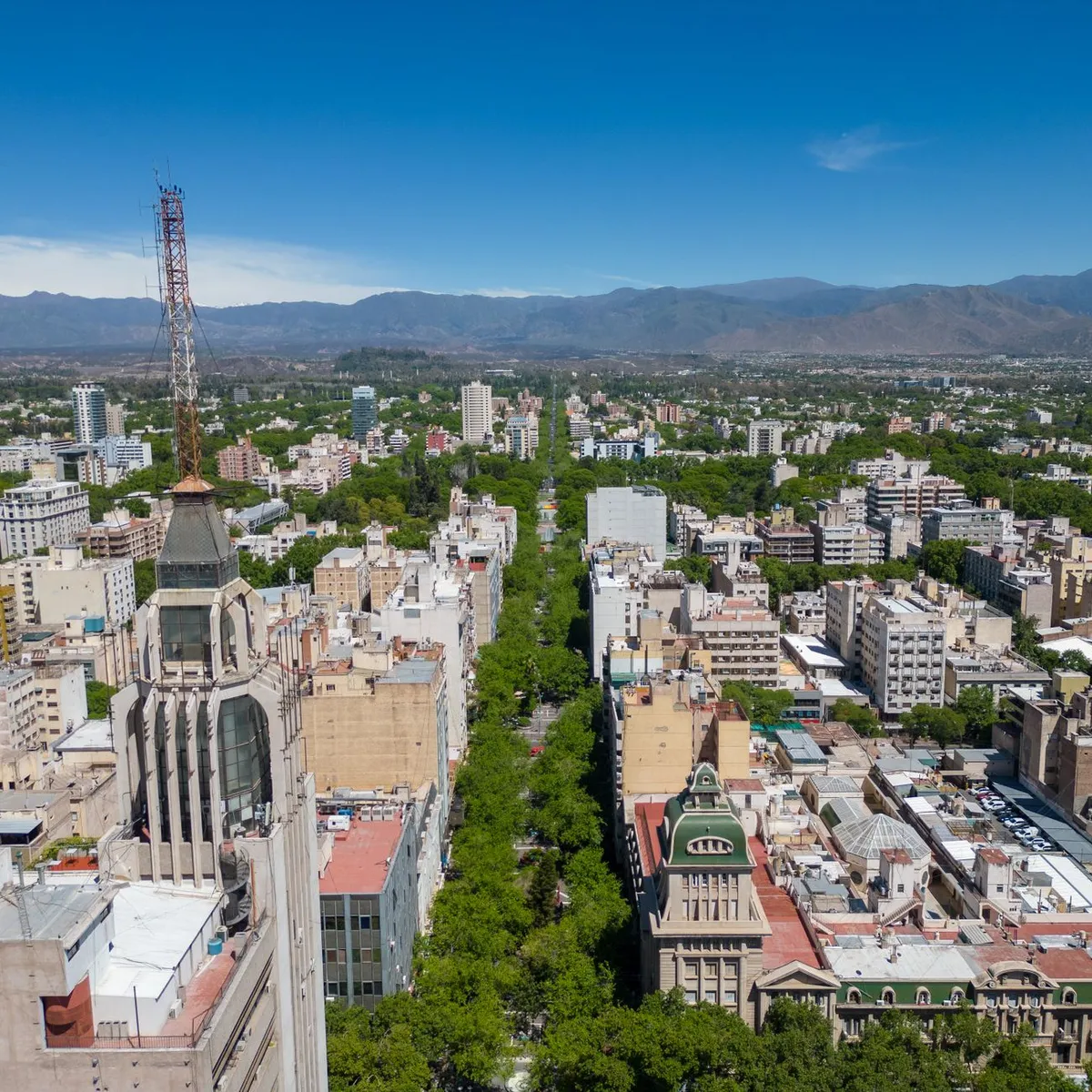
Río Cuarto is an inland city in Córdoba province, Argentina, with a central square, university presence, local museums, and a flatter pampas-style setting than many mountain-adjacent Argentine destinations. RollVenture gives it an accessibility score of 56/100 and a cost estimate from ~$1,687/mo, with housing from ~$502/mo. The DB terrain sample is gently rolling, with a 1.5% maximum sampled grade and 441 m average elevation, so the main wheelchair questions are pavement, crossings, transport, and healthcare access rather than steep hills.
Getting around
Plan around a central base, taxis/remises, and short daytime routes. Public buses may be useful for locals but should not be assumed wheelchair-accessible without current confirmation. Ask accommodation hosts for reliable taxi contacts and whether drivers can help fold and store a chair. For intercity travel, confirm coach terminal assistance and whether the bus company can handle wheelchair users before buying tickets.
Terrain & mobility
Río Cuarto looks relatively manageable on grade: the DB profile is gently rolling and the OSM pavement sample is high-confidence, with 27% good and 1% poor tagged surface. Still, many ways are untagged or mixed, and Argentine city sidewalks can include broken slabs, high curbs, tree roots, and narrow storefront ramps. The central grid around Plaza Roca is the best first area to test; avoid assuming riverfront paths are continuous after rain.
Healthcare & care
The DB healthcare profile lists OSM leads including HospitalNeonata, Suiza hospital, Bio-Imagenes Del Sud, Gastromed, and Aspurc close to the centre. Treat these as leads, not verified accessible facilities. Before staying, confirm adult emergency options, private clinic payment rules, rehabilitation/physio availability, pharmacy stock, and whether providers can accommodate transfers from a wheelchair.
Costs & housing
This is the most affordable city in this selected batch: living costs from ~$1,687/mo, food from ~$351/mo, transport from ~$183/mo, medical from ~$125/mo, PT from ~$88/mo, and home aid from ~$438/mo. The low housing estimate is attractive, but accessible units may require time to find. Ask for exact measurements, elevator reliability, step-free entrance photos, shower type, and whether sidewalks outside the building are passable.
Climate & comfort
The DB climate sample shows warm summers around 23-24°C in December-January, cooler winters around 9-10°C in June-July, and a drier winter pattern. Rain is more common in spring/summer and can affect unpaved shoulders or river paths. Heat is moderate compared with northern Argentina, but summer sun still makes shaded routes and air conditioning important.
Accessible things to do
Plaza Roca— Wikipedia verifies Roca Square as a central city image/landmark; it is the best first orientation point, with cafes and civic buildings nearby.
Río Cuarto riverfront— A practical scenic lead for short rolls or drives; verify path continuity, lighting, and curb cuts locally.
Local museum/cultural core— Use the central museums and cultural venues as check-ahead indoor options; confirm entrance ramps and toilets before visiting.
Teatro Municipal / central performance venues— Worth checking for accessible seating and step-free entry if you want evening culture.
Community & language
Spanish is essential. Río Cuarto is friendlier and less overwhelming than Buenos Aires, but formal disability information may be sparse. A local host, driver, or university contact can help confirm routes and venue access quickly.
Would we recommend it?
Yes as a low-cost, lower-gradient Argentine base for travelers who can verify housing and use taxis. It is not a destination with abundant published accessibility data, but the terrain, cost profile, and central services make it a reasonable candidate for a careful trial stay.
These figures combine public statistics, models, and live weather where available. Every city is different — treat this as a guide, and share what you know in the Reviews & Corrections tab.
Profile last updated 6/30/2026.