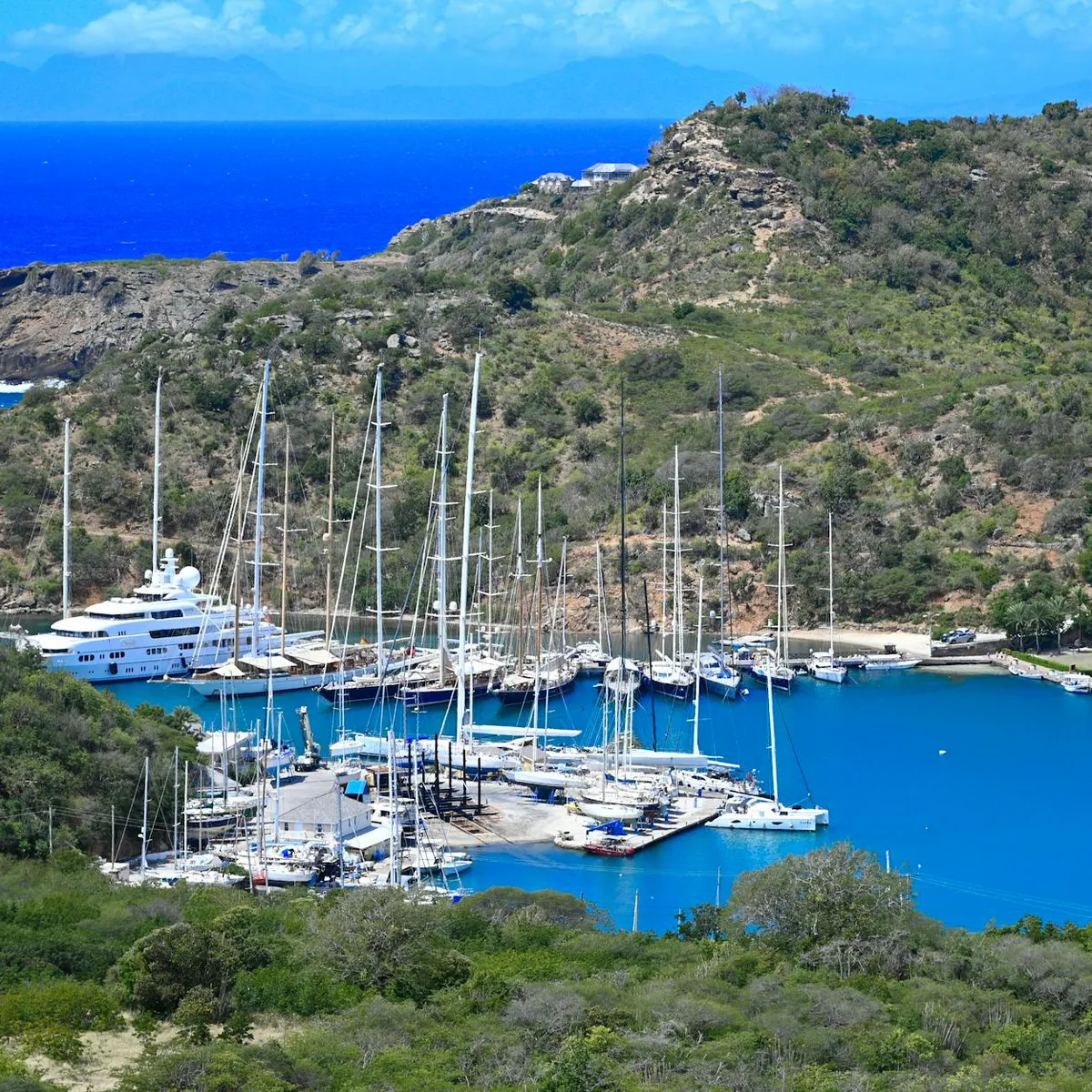
 Photo: Thomas Dudek / Pexels
Saint John’s
Saint John’s accessibility for wheelchair users
Compare Saint John’s by accessibility, transport, terrain, healthcare, cost, weather, laws, reviews, and community notes.
Saint John’s accessibility scores
Compare Saint John’s by accessibility, transport, terrain, healthcare, cost, weather, and laws. General stats use public data and models. Community rows reflect member reviews and votes.
General stats
National benchmarks and estimates — your experience in this city may differ.
Community
Starts from our estimate — thumbs up nudge toward Excellent, down toward Poor. Reviews use 1–5 stars.
These figures combine public statistics, models, and live weather where available. Every city is different — treat this as a guide, and share what you know in the Reviews & Corrections tab.
Profile last updated 6/30/2026.
Saint John’s wheelchair accessibility guide
Research Saint John’s for wheelchair users and caregivers: getting around, terrain, healthcare, costs, climate, accessible things to do, and practical caveats before booking.
Last updated 6/30/2026At a glance
Saint John’s is the capital and main port city of Antigua and Barbuda. RollVenture scores it 56 overall and 47 for accessibility, with costs from ~$3,256/mo. It is more visitor-oriented than the small inland cities in this batch, and the terrain sample is gentler: average elevation around 15 m with a sampled maximum grade near 2.3%. The main question is not hills but sidewalk quality, cruise-day crowds, heat, and whether individual venues have step-free access.
Getting around
Airport transfers, taxis, and private drivers are the realistic mobility backbone. Do not assume a public bus or minibus will be wheelchair accessible. For cruise-port or downtown visits, ask drivers to drop as close as possible to the entrance and agree on a pickup point that avoids steep curbs or crowded crossings.
Terrain & mobility
The city’s flatter terrain helps, and the pavement profile has high confidence with a stronger share of asphalt than many island rows. Still, downtown sidewalks can be narrow or interrupted, and busy port days can make navigation harder. A lightweight manual chair may manage short, planned routes; power-chair users should verify ramps and charging access at lodging.
Healthcare & care
The database lists several central clinic leads, including Medical Specialist Clinic and The Women’s Clinic, while broader emergency planning should include Antigua’s main hospital system outside the immediate downtown core. Confirm insurance/payment, specialist availability, and accessible entrances before relying on a clinic. For longer stays, arrange prescriptions and equipment spares in advance because island supply chains can be slower.
Costs & housing
The row estimates living costs from ~$3,256/mo, housing from ~$1,646/mo, transport from ~$239/mo, medical from ~$175/mo, and home aid from ~$616/mo. Accessible hotels or apartments may exist, but verify roll-in showers, lift reliability, generator backup, and the route from parking/drop-off to the room. Beach-adjacent properties can be pleasant but may add sand, slopes, or long outdoor paths.
Climate & comfort
Heat, humidity, tropical rain, and hurricane-season planning matter. Shade and air-conditioning are access features here. Build itineraries around morning errands, indoor breaks, and weather-flexible transport.
Accessible things to do
Heritage Quay— the cruise-port shopping district is one of the more practical downtown outings; still verify ramps, toilets, and crowd levels.
Redcliffe Quay— historic shopping lanes near the harbor; attractive, but surfaces and thresholds should be checked.
Museum of Antigua and Barbuda— a central cultural stop; contact ahead for current entrance and exhibit-floor accessibility.
St. John’s Cathedral area— a major landmark visible from the city; verify steps and approach conditions before planning an interior visit.
Fort James— worthwhile for views and history, but likely more challenging; go with a driver and confirm surface conditions.
Community & language
English is the official language, which simplifies medical calls and access requests. The city is used to visitors, but detailed wheelchair information may still require direct phone confirmation.
Would we recommend it?
Yes, cautiously, for travelers who want an island capital with services and English-language logistics. It is not barrier-free, but compared with many small Caribbean entries it offers better visitor infrastructure, flatter terrain, and practical short outings if transport and lodging are arranged carefully.
These figures combine public statistics, models, and live weather where available. Every city is different — treat this as a guide, and share what you know in the Reviews & Corrections tab.
Profile last updated 6/30/2026.
Reviews & corrections
Share your experience or suggest a data correction. Both appear publicly; admin updates official city scores and costs separately.
Log in to write a review or suggest a correction.
No reviews or corrections yet.