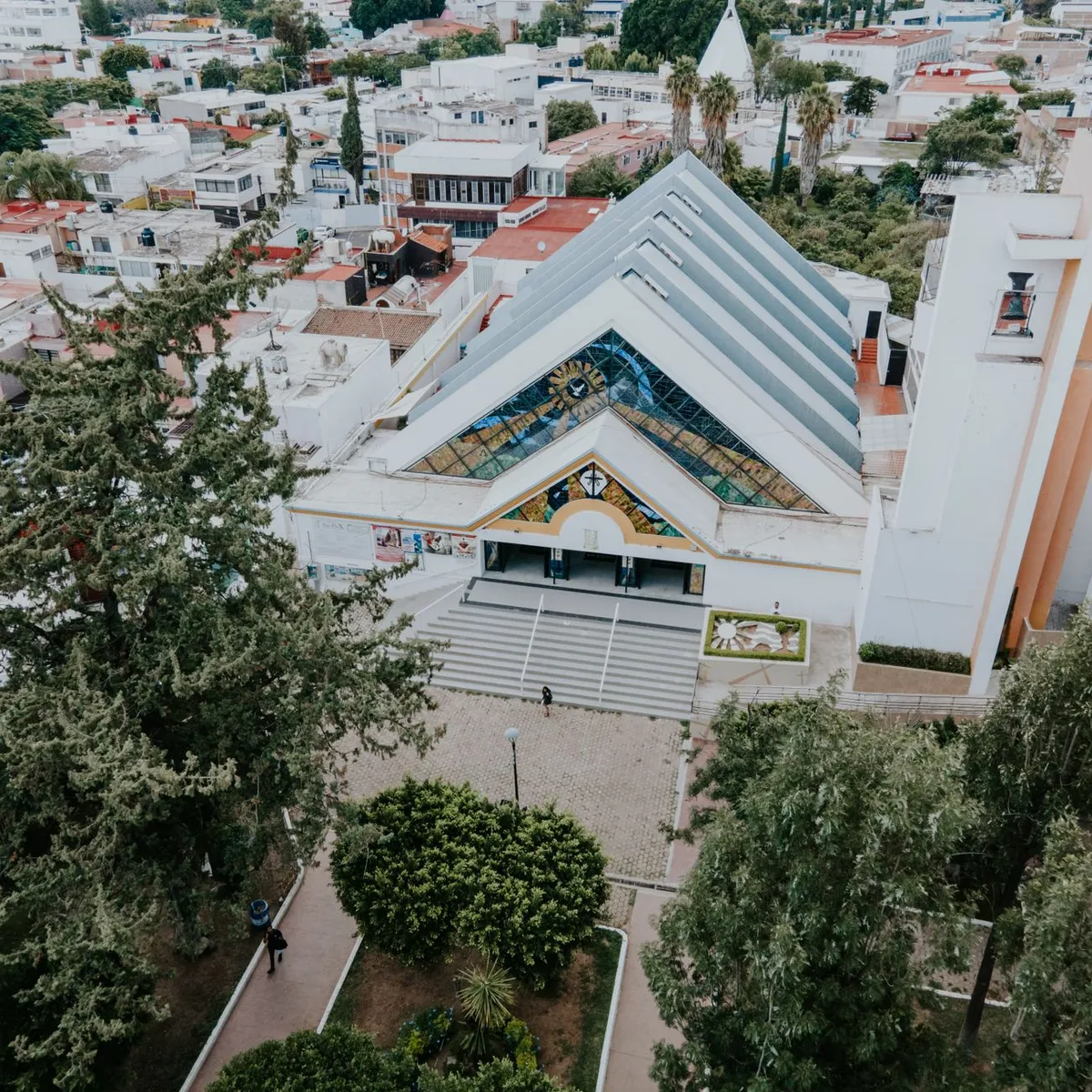
 Photo: Amar Preciado / Pexels
Santiago de Querétaro
Santiago de Querétaro accessibility for wheelchair users
Compare Santiago de Querétaro by accessibility, transport, terrain, healthcare, cost, weather, laws, reviews, and community notes.
Santiago de Querétaro accessibility scores
Compare Santiago de Querétaro by accessibility, transport, terrain, healthcare, cost, weather, and laws. General stats use public data and models. Community rows reflect member reviews and votes.
General stats
National benchmarks and estimates — your experience in this city may differ.
Community
Starts from our estimate — thumbs up nudge toward Excellent, down toward Poor. Reviews use 1–5 stars.
These figures combine public statistics, models, and live weather where available. Every city is different — treat this as a guide, and share what you know in the Reviews & Corrections tab.
Profile last updated 7/1/2026.
Santiago de Querétaro wheelchair accessibility guide
Research Santiago de Querétaro for wheelchair users and caregivers: getting around, terrain, healthcare, costs, climate, accessible things to do, and practical caveats before booking.
Last updated 7/1/2026At a glance
Santiago de Querétaro is one of central Mexico’s most appealing historic cities, with a UNESCO-listed old town, plazas, museums, and a strong regional tourism presence. For wheelchair users it is a “worth it, but verify everything” destination: terrain is hilly, pavement data is fairly strong, and the colonial core includes stone, slopes, and older buildings. Budget from ~$2,059/mo, with housing from ~$848/mo.
Getting around
Plan a mixed strategy: taxi or ride-hailing between lodging and districts, then short rolls around selected plazas. The historic center is compact, but cobblestones, curb cuts, narrow sidewalks, and busy crossings can make a few blocks tiring. Ask drivers for exact drop-off points at flat plaza edges. Public transit accessibility should be checked route by route; do not assume buses or stops will be wheelchair-ready.
Terrain & mobility
The terrain profile labels Querétaro hilly, with a 4.4% sampled maximum grade and 373 m elevation range. Pavement data has high confidence, with many asphalt and concrete ways, but also cobblestone and poor-surface samples. Manual wheelchair users should prioritize routes around Jardín Zenea, Plaza de Armas, and museum clusters rather than trying to roll the entire center in one day.
Healthcare & care
OSM healthcare leads include Sanatorio Alcocer Pozo, Luis Matín, Santa Rosa, Hospital del Sagrado Corazón de Jesús, and Centro Estatal de Salud Mental. Use these as starting points only. Call ahead for step-free entrances, elevator access, exam-room transfer space, and whether the facility can handle your care needs. The city has private options, but central traffic and parking still matter.
Costs & housing
The database estimate is from ~$2,059/mo, with housing from ~$848/mo. Accessible apartments in the historic core may be scarce because older buildings often have steps, courtyards, or small bathrooms. Modern neighborhoods may be easier for elevators and bathrooms, but require more taxi use for sightseeing. Verify door widths, shower threshold, lift reliability, and street slope.
Climate & comfort
Querétaro is high, sunny, and relatively dry. Sun exposure can be intense on plazas, while evenings may cool. Rainy-season storms can make stone surfaces slick and slow. Build in café or museum breaks rather than long open-air rolling.
Accessible things to do
Historic Monuments Zone of Querétaro— UNESCO verifies the historic center’s significance. For access, focus on short plaza-to-plaza segments and confirm individual building entrances.
Acueducto de Querétaro viewpoints— The aqueduct is visible from multiple points; choose a taxi-accessible viewpoint rather than steep approaches.
Museo Regional de Querétaro— A central museum lead; verify ramps, elevators, and restroom access before visiting because historic buildings vary.
Teatro de la República / central cultural venues— Good for event-focused trips if wheelchair seating, entrance route, and companion seating are confirmed before booking.
Community & language
Spanish is the default for access checks. Tourism staff may understand basic English, but precise Spanish questions get better answers. Local help is useful for finding smoother side-street routes and identifying step-free restaurant entrances.
Would we recommend it?
Yes for travelers who value historic cities and can plan around uneven surfaces. It is a stronger wheelchair candidate than many colonial centers, but still needs taxi support, short route planning, and building-by-building verification.
These figures combine public statistics, models, and live weather where available. Every city is different — treat this as a guide, and share what you know in the Reviews & Corrections tab.
Profile last updated 7/1/2026.
Reviews & corrections
Share your experience or suggest a data correction. Both appear publicly; admin updates official city scores and costs separately.
Log in to write a review or suggest a correction.
No reviews or corrections yet.