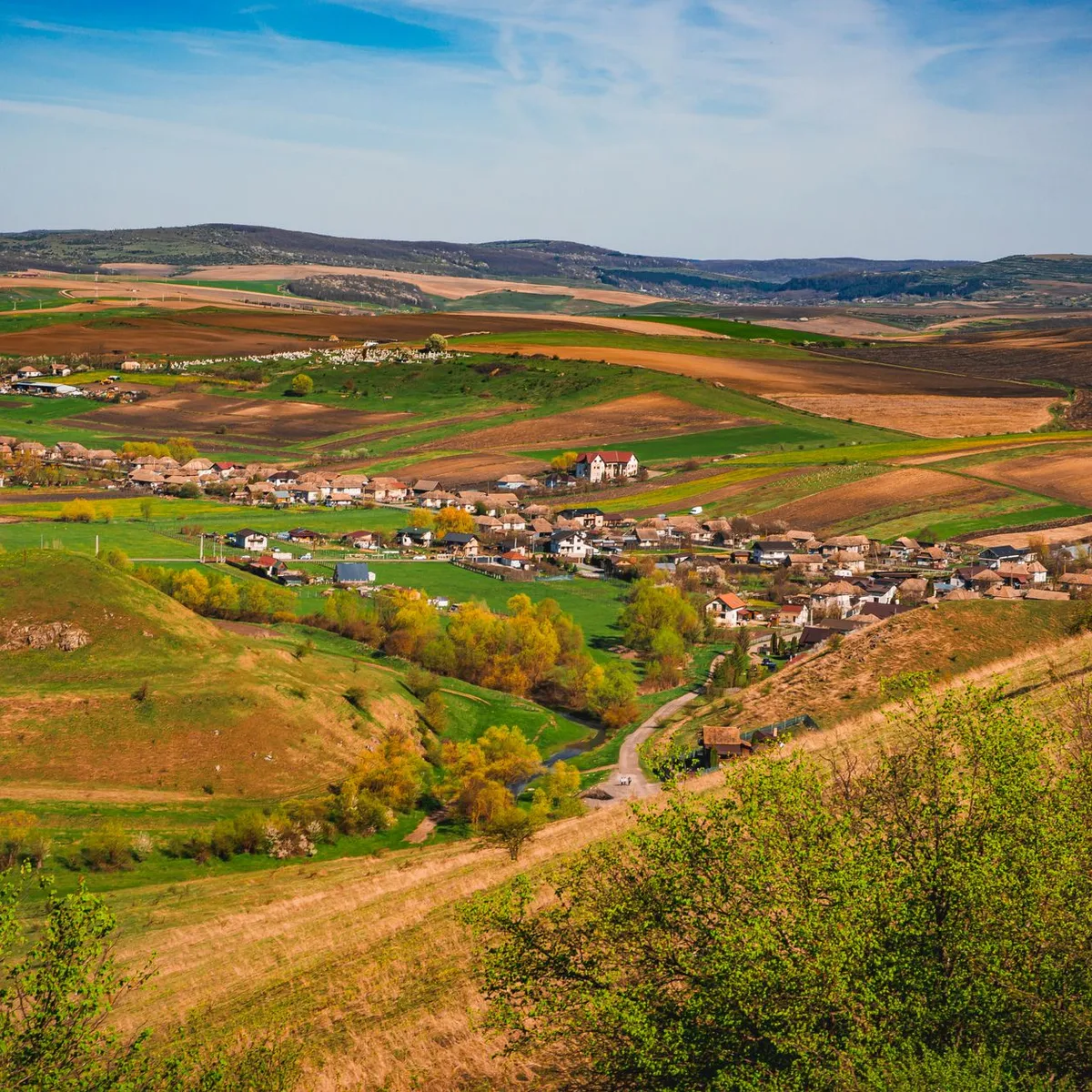
 Photo: Lucut Razvan / Pexels
Sector 2
Sector 2 accessibility for wheelchair users
Compare Sector 2 by accessibility, transport, terrain, healthcare, cost, weather, laws, reviews, and community notes.
Sector 2 accessibility scores
Compare Sector 2 by accessibility, transport, terrain, healthcare, cost, weather, and laws. General stats use public data and models. Community rows reflect member reviews and votes.
General stats
National benchmarks and estimates — your experience in this city may differ.
Community
Starts from our estimate — thumbs up nudge toward Excellent, down toward Poor. Reviews use 1–5 stars.
These figures combine public statistics, models, and live weather where available. Every city is different — treat this as a guide, and share what you know in the Reviews & Corrections tab.
Profile last updated 7/1/2026.
Sector 2 wheelchair accessibility guide
Research Sector 2 for wheelchair users and caregivers: getting around, terrain, healthcare, costs, climate, accessible things to do, and practical caveats before booking.
Last updated 7/1/2026At a glance
Sector 2 is a north-eastern Bucharest district with a useful mix of residential blocks, parks, hospitals and quick links toward central Bucharest. For a wheelchair user it is not a polished accessibility destination, but the live row data is encouraging on surfaces: high-confidence OSM pavement sampling shows mostly asphalt/paved surfaces and a 91 pavement score. Costs are moderate for the city, with DB estimates from ~$2,119/mo and housing from ~$952/mo. The practical tradeoff is that curb cuts, parked cars, older apartment entrances and station elevator outages can still decide whether a route works.
Getting around
Use Bucharest as the operating area rather than treating Sector 2 as isolated. The TPBI transport site loaded during research and includes accessibility-related terms; Metrorex accessibility information timed out locally, so treat station-by-station access as something to verify the day before travel. Ride-hailing can be easier for door-to-door trips, but wheelchair-accessible vehicles are not something to assume. Keep routes short, check elevator status where available, and ask hotels or clinics to confirm the exact entrance you will use.
Terrain & mobility
The DB terrain profile labels the area gently rolling, with a low sampled max grade around 0.8% and about 62 m of elevation range. That is favorable by Bucharest standards. Pavement is the bigger variable: main boulevards can be smooth, while side streets may have broken slabs, tree roots, narrow crossings or vehicles blocking ramps. Winter freeze-thaw and summer construction both matter.
Healthcare & care
The stored OSM healthcare profile lists several nearby clinics, including Clinica Puls Medica - Teiul Doamnei, Professional Klinic, Gral Medical, and the National Institute for Recovery, Physical Medicine and Balneoclimatology as leads. Treat these as starting points, not guarantees of step-free access or English-language support. For recurring care, ask about lift dimensions, accessible toilets, appointment wait times and whether a companion can assist with transfers.
Costs & housing
Use the DB cost estimate as a planning floor: from ~$2,119/mo overall and from ~$952/mo for housing. Accessible housing is the hard part. Many apartment blocks have small lifts, raised thresholds or steps before the elevator. Prioritize newer buildings, ground-floor units with verified ramps, and written photos/video of the entrance, bathroom and elevator.
Climate & comfort
Bucharest has hot summers, cold winters and occasional snow/ice. Summer heat favors morning errands and shaded parks; winter favors shorter routes and buildings with reliable heating. Air quality and traffic noise can be worse along major roads.
Accessible things to do
Parcul Tei and lakeside paths— useful for flatter outdoor time in or near Sector 2; verify path surface after rain and construction.
National Village Museum— official site loaded; it is an outdoor museum, so expect mixed surfaces and check wheelchair route advice before visiting.
Cotroceni Museum / Palace area— official site loaded; guided visits should be booked only after confirming step-free access and security procedures.
Central Bucharest museums by metro or taxi— use larger central museums as accessible-weather backups, but verify elevators and entrances on the day.
Community & language
Romanian is the daily language; younger staff in hotels, malls and clinics may speak some English. Disability rights exist, but enforcement and practical access are uneven. A Romanian-speaking helper is useful for healthcare calls and building access checks.
Would we recommend it?
Yes, cautiously, if you want Bucharest access with relatively flat terrain and can pre-verify housing. Sector 2 is workable for an independent wheelchair user who plans routes carefully, but not a place to improvise without access checks.
These figures combine public statistics, models, and live weather where available. Every city is different — treat this as a guide, and share what you know in the Reviews & Corrections tab.
Profile last updated 7/1/2026.