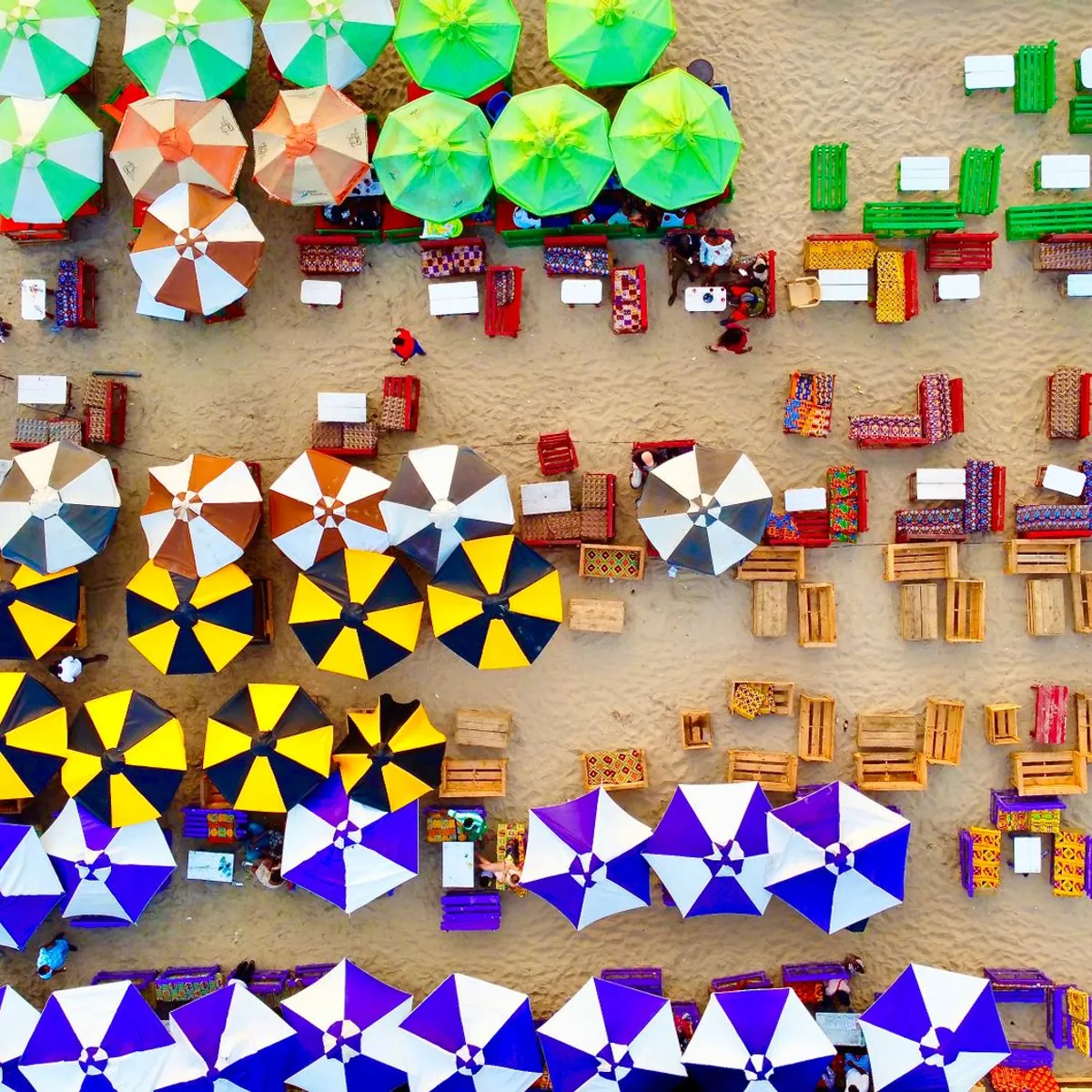
 Photo: Perry Tintin / Pexels
Sekondi-Takoradi
Sekondi-Takoradi accessibility for wheelchair users
Compare Sekondi-Takoradi by accessibility, transport, terrain, healthcare, cost, weather, laws, reviews, and community notes.
Sekondi-Takoradi accessibility scores
Compare Sekondi-Takoradi by accessibility, transport, terrain, healthcare, cost, weather, and laws. General stats use public data and models. Community rows reflect member reviews and votes.
General stats
National benchmarks and estimates — your experience in this city may differ.
Community
Starts from our estimate — thumbs up nudge toward Excellent, down toward Poor. Reviews use 1–5 stars.
These figures combine public statistics, models, and live weather where available. Every city is different — treat this as a guide, and share what you know in the Reviews & Corrections tab.
Profile last updated 7/1/2026.
Sekondi-Takoradi wheelchair accessibility guide
Research Sekondi-Takoradi for wheelchair users and caregivers: getting around, terrain, healthcare, costs, climate, accessible things to do, and practical caveats before booking.
Last updated 7/1/2026At a glance
Sekondi-Takoradi is a coastal Ghanaian city with a flatter terrain profile than many African entries in this queue, but infrastructure and wheelchair-specific services remain limited. The DB scores are mixed: friendliness is relatively strong, cost is moderate, and terrain is better than average, while ramp availability, wheelchair transport, and infrastructure are low. Costs start from about ~$1,815/mo, with housing around ~$706/mo. The best fit is a traveler who can arrange a driver, stay near the beach/harbour corridor, and use clinics as pre-verified backups.
Getting around
Use a hired car or trusted taxi contact for most trips. The city has rail, port, and road infrastructure, but that does not equal wheelchair-accessible public transport. Ask drivers about boot space, whether they can help with transfers, and whether they know step-free drop-offs near Effia Nkwanta Regional Hospital, the shoreline, and central Takoradi. Rain can flood or break sidewalks, so build in route flexibility.
Terrain & mobility
OpenTopoData describes the sampled area as gently rolling, with low maximum grades and a small elevation range. That is a plus. The weakness is pavement confidence: the OSM sample is low-confidence and mostly untagged, asphalt, and unpaved surfaces. Expect some flat stretches, but also open drains, missing curb cuts, sandy shoulders, and market congestion. A power chair may handle the city better than a manual chair, but both need local route checks.
Healthcare & care
The DB healthcare profile gives several useful leads: Our Lady of Faith Clinic, Effia Nkwanta Regional Hospital, Nadbrown’s Hope Clinic, C4C, and Nagel Memorial Hospital. OSM notes mark them as leads and say to verify access before travel. Before committing to a stay, call Effia Nkwanta or a chosen private clinic about ramped entry, imaging/lab access, emergency care, and whether they can help identify home nursing or physiotherapy contacts.
Costs & housing
The DB estimate of from ~$1,815/mo is plausible as a baseline, but accessible housing may narrow the choices. Ask for ground-floor or lift-confirmed rooms, bathroom photos, bed height, shower threshold, generator or power-backup information, and whether a vehicle can pull close to the entrance in rain. Budget extra for private transport rather than assuming cheap shared rides will work.
Climate & comfort
The city is hot, humid, and rainy, with a high annual precipitation figure in the DB climate profile. Heat management and wet-season routing are central. Choose air-conditioned lodging, avoid long midday rolls, and keep medication and mobility-equipment spares dry.
Accessible things to do
Sekondi-Takoradi shoreline— a good low-commitment outing if a driver can find firm, close drop-off points; beach sand itself is not a wheelchair-safe assumption.
Takoradi Harbour viewpoint area— useful for city context and photos from vehicle-accessible public roads; verify stopping rules and safety.
Sekondi-Takoradi Railway Station area— a historic/transport landmark lead, but station access should be checked directly before planning a rail trip.
Sekondi-Takoradi Stadium area— a large public venue lead; confirm event access, seating, and toilets before attending.
Community & language
English is the easiest working language for services, with Fante and other local languages in daily use. Hotel managers, clinic staff, and drivers are likely your best accessibility intelligence; online wheelchair access data is thin.
Would we recommend it?
Yes, cautiously, if you want a Ghanaian coastal base and can pay for private transport. It is more promising than hillier peers, but still needs strong on-the-ground verification.
These figures combine public statistics, models, and live weather where available. Every city is different — treat this as a guide, and share what you know in the Reviews & Corrections tab.
Profile last updated 7/1/2026.