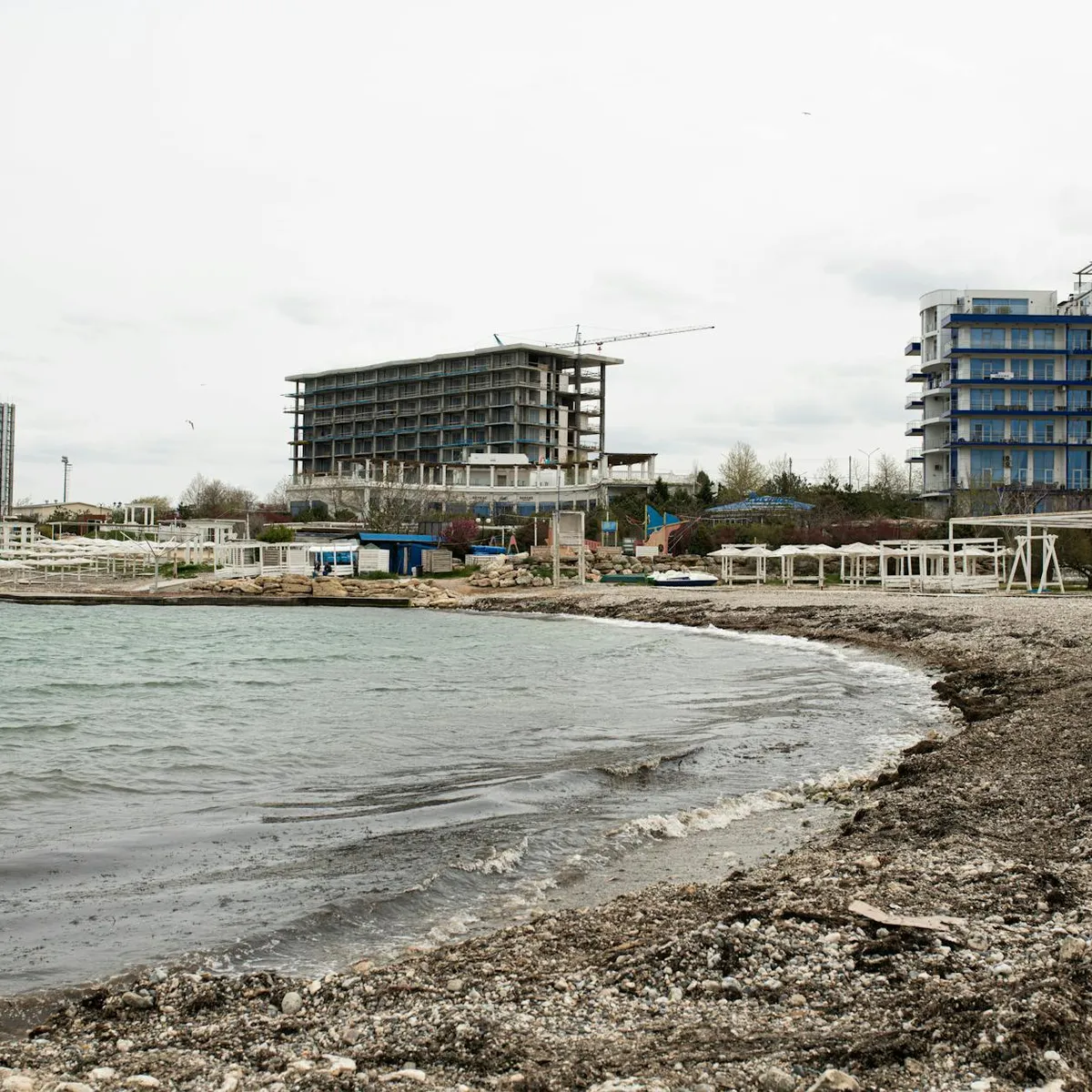
 Photo: Oleksiy Yeshtokyn,🌻🇺🇦🌻 / Pexels
Sevastopol
Sevastopol accessibility for wheelchair users
Compare Sevastopol by accessibility, transport, terrain, healthcare, cost, weather, laws, reviews, and community notes.
Sevastopol accessibility scores
Compare Sevastopol by accessibility, transport, terrain, healthcare, cost, weather, and laws. General stats use public data and models. Community rows reflect member reviews and votes.
General stats
National benchmarks and estimates — your experience in this city may differ.
Community
Starts from our estimate — thumbs up nudge toward Excellent, down toward Poor. Reviews use 1–5 stars.
These figures combine public statistics, models, and live weather where available. Every city is different — treat this as a guide, and share what you know in the Reviews & Corrections tab.
Profile last updated 6/30/2026.
Sevastopol wheelchair accessibility guide
Research Sevastopol for wheelchair users and caregivers: getting around, terrain, healthcare, costs, climate, accessible things to do, and practical caveats before booking.
Last updated 6/30/2026At a glance
Sevastopol is historically rich and coastal, but it is a complicated wheelchair destination because of hills, conflict-related uncertainty, and inconsistent access information. The live profile estimates from ~$2,326/mo, with moderate pavement data and limited disability-enforcement notes. It may appeal to travelers with a specific reason to be there, but current safety, legal, insurance, and route conditions must be checked before any trip.
Getting around
Do not plan on spontaneous accessible public transport. Use prearranged local transport and confirm border, insurance, and security realities from current official advisories before travel. Within the city, waterfront areas may be easier than hillside neighborhoods, but curb cuts, stairs, and old streets can interrupt routes. Keep a backup plan for every clinic and attraction.
Terrain & mobility
OpenTopoData labels Sevastopol hilly, with about 64 m average elevation, 4.7% sampled max grade, and 219 m elevation range. OSM pavement data is high-confidence and more encouraging than many cities in this batch: 56% good surfaces, 1% poor, with asphalt and paving stones common. Still, paving stones, slopes, underpasses, and historic steps can be difficult for manual chairs and small casters.
Healthcare & care
OSM lists central clinic leads including a family/reproductive health center, blood center, trauma point, and police polyclinic. Treat these as map leads, not guarantees. Confirm current operation, wheelchair entry, lift access, language support, and whether emergency care is available to visitors. Given the political and security context, evacuation and insurance arrangements matter more than usual.
Costs & housing
The DB estimate is from ~$2,326/mo, with housing around $1,211, food around $329, transport around $173, medical around $124, PT around $87, and home aid around $402. Accessible lodging should be checked with current photos or video, especially because older buildings may have steps, small lifts, and steep approaches.
Climate & comfort
The Black Sea climate is milder than inland regions, but heat, wind, rain, and slick stone surfaces can still affect mobility. Hills make battery range and companion pushing more important. Winter or shoulder-season rain can make cobbled or stone areas harder. If staying more than a few days, choose lodging with step-free indoor dining or nearby delivery so bad weather does not force unnecessary transfers.
Accessible things to do
Tauric Chersonesos / Chersonesus archaeological site— A UNESCO-listed heritage area; verify current paths, ramps, and accessible toilets before visiting.
Sevastopol Panorama Museum— A major military-history museum; confirm entrance, lifts, and exhibition access before going.
Primorsky Boulevard / waterfront— Likely the most practical scenic roll if current security and surface conditions allow; scout curb cuts and gradients.
Malakhov Kurgan— Historically important but hill-related; consider only with confirmed step-free route and transport to the easiest entrance.
Community & language
Russian is the practical language. English accessibility information may be limited, and current-status verification is essential. A trusted local contact is strongly advised.
Would we recommend it?
Generally no for casual wheelchair travel right now. It may be possible for a highly supported, well-researched trip, but safety, access, and political/logistical risk make it a cautious special-case destination, especially for travelers who cannot manage stairs during disruptions.
These figures combine public statistics, models, and live weather where available. Every city is different — treat this as a guide, and share what you know in the Reviews & Corrections tab.
Profile last updated 6/30/2026.