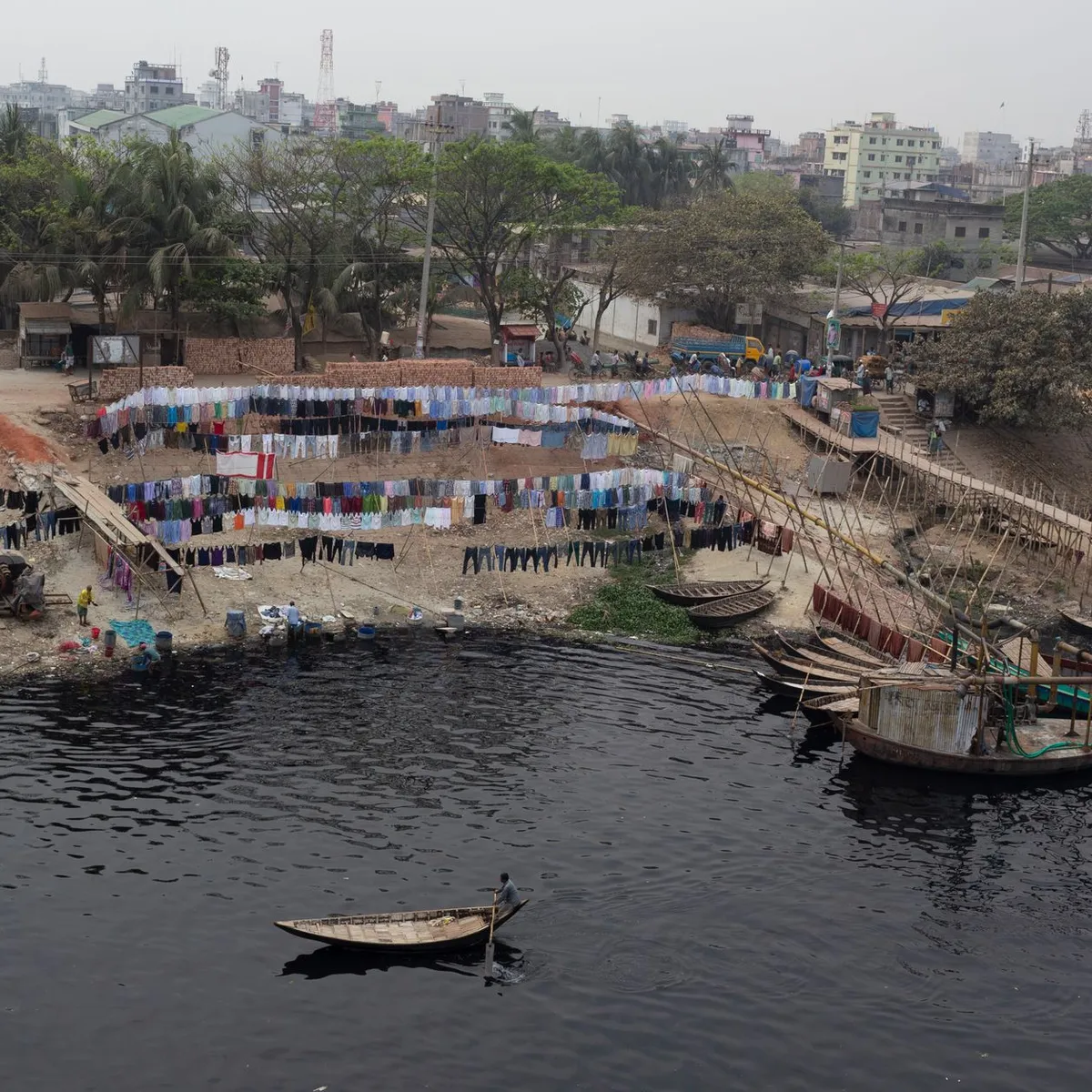
 Photo: Sohan Rahat / Pexels
Shāhzādpur
Shāhzādpur accessibility for wheelchair users
Compare Shāhzādpur by accessibility, transport, terrain, healthcare, cost, weather, laws, reviews, and community notes.
Shāhzādpur accessibility scores
Compare Shāhzādpur by accessibility, transport, terrain, healthcare, cost, weather, and laws. General stats use public data and models. Community rows reflect member reviews and votes.
General stats
National benchmarks and estimates — your experience in this city may differ.
Community
Starts from our estimate — thumbs up nudge toward Excellent, down toward Poor. Reviews use 1–5 stars.
These figures combine public statistics, models, and live weather where available. Every city is different — treat this as a guide, and share what you know in the Reviews & Corrections tab.
Profile last updated 7/1/2026.
Shāhzādpur wheelchair accessibility guide
Research Shāhzādpur for wheelchair users and caregivers: getting around, terrain, healthcare, costs, climate, accessible things to do, and practical caveats before booking.
Last updated 7/1/2026At a glance
Shāhzādpur, commonly Shahjadpur/Shahzadpur, is an upazila town in Sirajganj District, Bangladesh. Public references place it in Rajshahi Division and highlight Shahjadpur Kachharibari as a key cultural site. For wheelchair users, the best news is terrain: RollVenture’s data labels the area mostly flat, with an average elevation around 11 m and a maximum sampled grade near 0.2%. The harder news is access infrastructure. The city scores low for accessibility, and the pavement profile has low confidence, with mostly untagged routes. Monthly cost is estimated from ~$1,395/mo, with housing from ~$458/mo.
Getting around
Plan around short local vehicle trips, rickshaw/CNG-style transfers where feasible, and a trusted helper. Do not assume accessible buses, step-free stations, or continuous sidewalks. In dense market streets, crowding and informal parking can block even flat routes. Because the region is low-lying, rain and standing water can change the access picture quickly. For longer trips, build in time for transfers, vehicle height, and luggage or mobility-device handling.
Terrain & mobility
Flat terrain is a real advantage here. OpenTopoData sampling shows 100% flat samples and only about 15 m of sampled elevation range. That can make ground-floor living and short assisted routes easier than in hill towns. Still, flat does not mean smooth: expect broken edges, shop steps, narrow lanes, and variable paving. A manual chair user should have push assistance available; a power chair user should check battery charging, indoor storage, and whether lanes are too narrow or muddy during rain.
Healthcare & care
The stored healthcare profile lists local and nearby leads: **Prottasha Diagnostic Centre** very close to the center, **Bera Upazilla Health Complex** farther away, and **Khwaja Yunus Ali Medical College and Hospital** around 12 km away. Treat OpenStreetMap healthcare entries as planning leads only. Confirm emergency services, step-free access, lift availability, and specialist needs before relying on any facility. For personal care, family or privately arranged help is likely more dependable than a formal agency market.
Costs & housing
The database estimate is from ~$1,395/mo, with food around $277, transport around $145, medical around $117, PT around $82, and home aid around $316. Low housing cost does not guarantee accessible housing. Prioritize a newer ground-floor unit or hotel room with a wide entrance, wet-room-style bathing option, and vehicle access close to the door. Ask for video through the exact route from street to bed and bathroom.
Climate & comfort
Bangladesh’s heat, humidity, monsoon rain, and flooding risk should be taken seriously. In Shahzadpur, flat lowland terrain can mean easier slopes but more waterlogging. Plan errands in cooler hours, protect skin during humid weather, and keep backup transport options when rain makes lanes difficult.
Accessible things to do
Shahjadpur Kachharibari— Public references identify this as a major point of interest connected with Rabindranath Tagore; verify entrance thresholds and interior access before visiting.
Makhdum Shah Daulah mazar area— A known local historic-religious site; go with a local helper and check crowding, shoe-area logistics, and step access.
Local bazaar streets— Useful for food, supplies, and daily life, but best approached during quieter hours with assistance.
River and lowland village drives— The surrounding Sirajganj landscape can be experienced by private vehicle; avoid soft ground and confirm safe stopping points.
Community & language
Bangla is essential. English may help with some doctors, universities, or hotels, but most access negotiation will be local-language work. Written Bangla notes about ramps, transfers, and medical needs can help.
Would we recommend it?
A cautious maybe for travelers with Bangladeshi support, family reasons, or a low-cost rural-town goal. The terrain and costs are favorable, but access infrastructure, monsoon conditions, and healthcare verification requirements make it a poor fit for unsupported wheelchair travel.
These figures combine public statistics, models, and live weather where available. Every city is different — treat this as a guide, and share what you know in the Reviews & Corrections tab.
Profile last updated 7/1/2026.