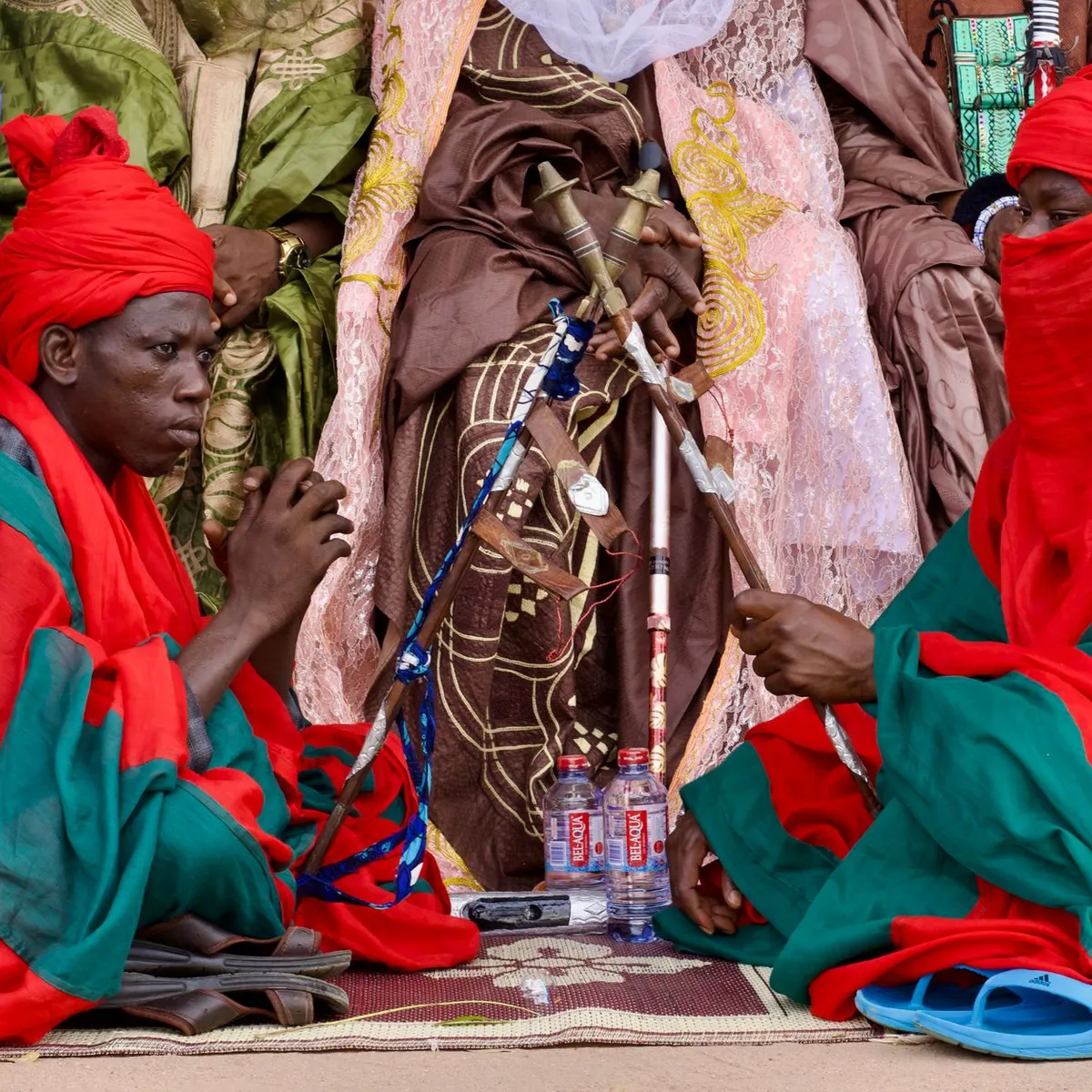
 Photo: Prince Enos / Pexels
Sikasso
Sikasso accessibility for wheelchair users
Compare Sikasso by accessibility, transport, terrain, healthcare, cost, weather, laws, reviews, and community notes.
Sikasso accessibility scores
Compare Sikasso by accessibility, transport, terrain, healthcare, cost, weather, and laws. General stats use public data and models. Community rows reflect member reviews and votes.
General stats
National benchmarks and estimates — your experience in this city may differ.
Community
Starts from our estimate — thumbs up nudge toward Excellent, down toward Poor. Reviews use 1–5 stars.
These figures combine public statistics, models, and live weather where available. Every city is different — treat this as a guide, and share what you know in the Reviews & Corrections tab.
Profile last updated 7/1/2026.
Sikasso wheelchair accessibility guide
Research Sikasso for wheelchair users and caregivers: getting around, terrain, healthcare, costs, climate, accessible things to do, and practical caveats before booking.
Last updated 7/1/2026At a glance
Sikasso is a southern Malian city near the borders with Côte d’Ivoire and Burkina Faso. Wikivoyage describes it as Mali’s second-largest city and notes its historic role as the capital of the Kénédougou Kingdom; it is also greener and more agricultural than much of Mali, with fruit and vegetables available through the year. For wheelchair users, the useful story is mixed: the city is relatively flat-to-rolling in the DB terrain sample, but infrastructure, ramp availability, and pavement confidence remain weak. Budget from ~$2,227/mo using RollVenture’s baseline, then add margin for private transport and help.
Getting around
Sikasso has bus links from Bamako and sits on regional routes toward the borders, but those services should not be assumed accessible. Inside town, plan for a hired car or taxi with a known driver. Confirm luggage space for a folding chair and whether the driver can provide steady transfer help. Roads around markets, hotels, hospitals, and the old fortification area may be manageable in dry periods but less predictable after rain or during market congestion.
Terrain & mobility
RollVenture’s terrain profile labels Sikasso hilly but with relatively gentle sampled grades: average elevation around 388 m, max sampled grade about 2.1%, and all sampled points flat by the model. The bigger issue is surface quality. Pavement confidence is low, with many untagged, unpaved, dirt, and asphalt segments. A wheelchair user should expect interruptions from broken edges, open drains, market stalls, and vehicles parked over pedestrian space.
Healthcare & care
The DB lists healthcare leads from OpenStreetMap, including Centre de santé de référence de Sikasso, Hôpital Régional de Sikasso, PMI, Docteur Kampo, and Centre de santé de Sanobougou I. These are useful starting points, not accessibility guarantees. Before committing to a stay, call a hospital or clinic contact to confirm wheelchair entry, exam-room transfers, pharmacy access, and referral routes to Bamako or Abidjan if specialized care is needed.
Costs & housing
The row estimates from ~$2,227/mo, with about $1,150 housing, $311 food, $163 transport, and $136 medical. Accessible housing will need direct verification: look for ground-floor rooms, reliable water, a fan or air conditioning, a bathroom large enough for transfers, and a safe path from the street. If the room is in a guesthouse compound, ask about gravel, steps, and drainage.
Climate & comfort
Sikasso is wetter and more subtropical than northern Mali. Heat, rain, and mud can all affect mobility. Plan errands early, keep spare gloves or tires clean, and choose lodging with shaded outdoor areas and a dry route to the vehicle.
Accessible things to do
Mamelon Hill fortification area— Wikivoyage lists Mamelon as a tourist site; treat it as a view/heritage stop and verify grades before attempting it.
Sikasso central market— useful for produce and daily life; go with assistance and avoid the busiest hours.
Kénédougou history walk or drive— the city’s former-kingdom history can be explored through central landmarks, preferably by car with short, selected stops.
Regional produce and café stops— Sikasso’s agricultural setting makes fruit, vegetables, and simple food stops part of the experience; choose paved, shaded venues.
Community & language
French is important for hospitals, lodging, and transport. Bambara and Senufo-related local languages may be heard in markets.
Would we recommend it?
A cautious maybe. Sikasso is more practical than remote villages and less steep than some highland cities, but weak pedestrian infrastructure means wheelchair travelers need a driver, assistant, and verified lodging.
These figures combine public statistics, models, and live weather where available. Every city is different — treat this as a guide, and share what you know in the Reviews & Corrections tab.
Profile last updated 7/1/2026.