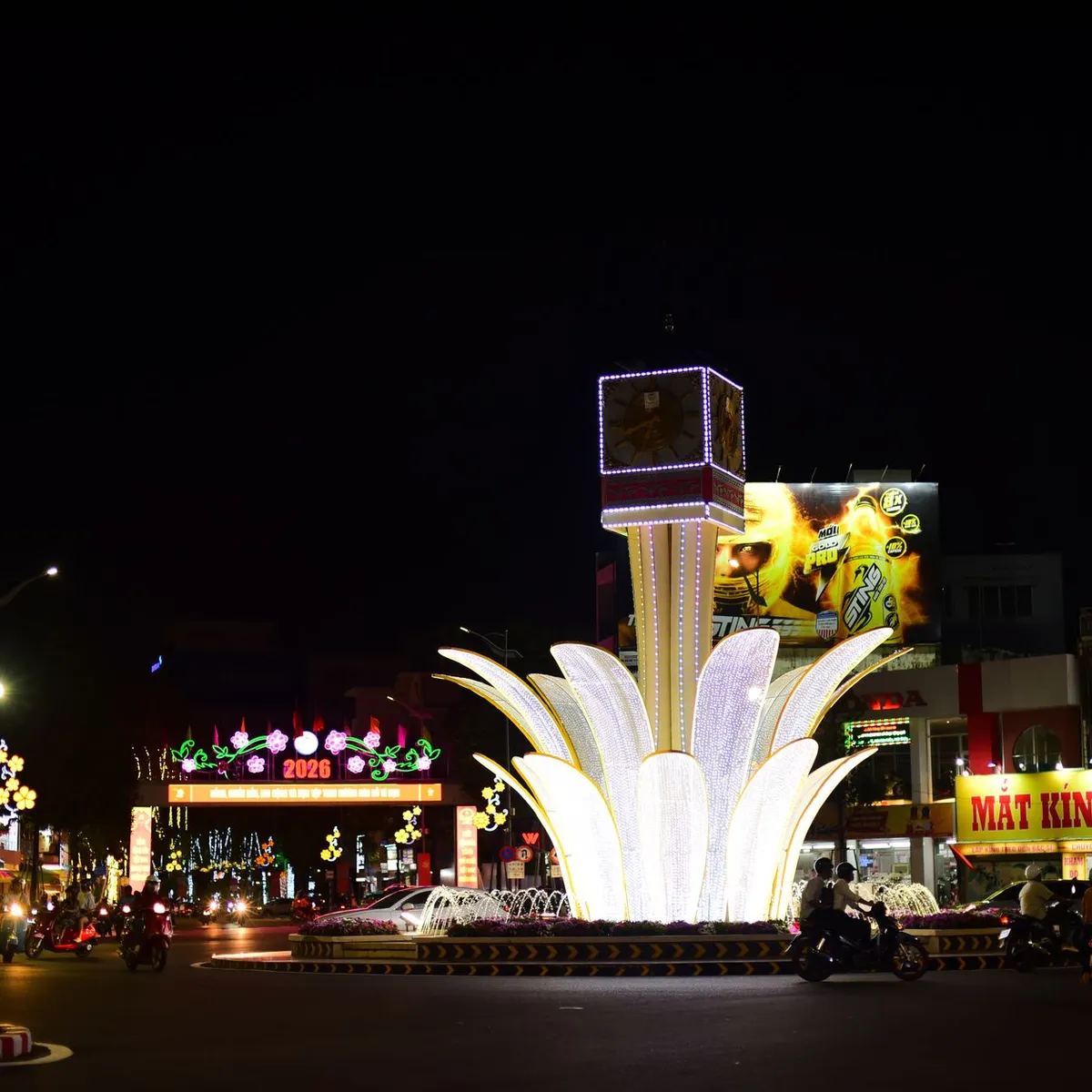
 Photo: Sóc Năng Động / Pexels
Sóc Trăng
Sóc Trăng accessibility for wheelchair users
Compare Sóc Trăng by accessibility, transport, terrain, healthcare, cost, weather, laws, reviews, and community notes.
Sóc Trăng accessibility scores
Compare Sóc Trăng by accessibility, transport, terrain, healthcare, cost, weather, and laws. General stats use public data and models. Community rows reflect member reviews and votes.
General stats
National benchmarks and estimates — your experience in this city may differ.
Community
Starts from our estimate — thumbs up nudge toward Excellent, down toward Poor. Reviews use 1–5 stars.
These figures combine public statistics, models, and live weather where available. Every city is different — treat this as a guide, and share what you know in the Reviews & Corrections tab.
Profile last updated 7/1/2026.
Sóc Trăng wheelchair accessibility guide
Research Sóc Trăng for wheelchair users and caregivers: getting around, terrain, healthcare, costs, climate, accessible things to do, and practical caveats before booking.
Last updated 7/1/2026At a glance
Sóc Trăng is a flat Mekong Delta city with strong Khmer, Chinese, and Vietnamese cultural layers. It has one of the best terrain profiles in this batch, with DB terrain score 94 and OpenTopoData showing almost no grade. The tradeoff is access infrastructure: wheelchair transport, ramp availability, and pavement data are weak, so the city may be physically flat but still challenging because of traffic, curbs, rain, and limited formal accessibility information.
Getting around
Highway 1 links Sóc Trăng with Cần Thơ, Ho Chi Minh City, Cà Mau, and other regional cities, and public sources note regular buses. Air access is typically through Cần Thơ International Airport, around 60 km away. For wheelchair users, plan a private transfer from Cần Thơ and avoid relying on spontaneous bus boarding unless the operator confirms lift/ramp help. Within town, short taxi or hired-car hops will likely be easier than independent curb-to-curb rolling in traffic.
Terrain & mobility
The terrain is the city's biggest strength: the DB profile calls it mostly flat, with max sampled grade around 0.3% and elevation range only about 23 m. That said, OSM pavement confidence is low and only a few surfaces are tagged. Expect flat but inconsistent conditions: broken curbs, shopfront steps, parked motorbikes, narrow sidewalks, wet tiles, and monsoon drainage issues. A compact manual chair with help may work better than a heavy power chair in crowded streets.
Healthcare & care
OSM healthcare leads list several hospitals within a few kilometres, including Sóc Trăng General Hospital and maternity/children's or specialized hospitals. These are useful local-care anchors but not guaranteed to meet international access expectations. Before traveling, confirm entrance ramps, lift access, appointment process, and whether any staff can communicate in English or another language you use. For complex care, Cần Thơ or Ho Chi Minh City may be safer backup options.
Costs & housing
The DB cost estimate is from ~$1,556/mo, one of the lower costs in this selected group. Housing may be affordable, but accessible housing can still be scarce. Prioritize newer hotels or serviced apartments with elevators, roll-in or low-threshold showers, air conditioning, and reliable ground-floor access. Ask for photos after rain, because entrance flooding matters more here than stairs alone.
Climate & comfort
Sóc Trăng is hot, humid, and wet. DB climate data averages about 26.9°C with annual precipitation above 2,200 mm. Heat fatigue, slippery surfaces, and sudden downpours are major access issues. Morning outings, shade, hydration, and backup indoor stops are important.
Accessible things to do
Chùa Dơi / Bat Pagoda— A well-known Khmer temple in Sóc Trăng; verify step-free access, ground surface, and quiet visiting times.
Chùa Đất Sét / Clay Pagoda— A distinctive local pagoda; likely culturally rewarding, but call or ask a local contact about thresholds and interior space.
Som Rong Pagoda / Chùa Phật Nằm— Public sources identify it among the city's famous pagodas; visit with a driver who can confirm drop-off location.
Sóc Trăng city pagoda circuit— The city reportedly has many pagodas, so a vehicle-supported exterior route may be more realistic than trying to enter every site.
Central market and riverside streets— Useful for everyday culture and food, but best done with a companion because crowds, curb cuts, and wet pavement vary block by block.
Community & language
Vietnamese is essential, with Khmer cultural presence. English may be limited outside tourism-facing contacts. Local hospitality can be strong, but accessibility requests should be translated into concrete needs: “no steps,” “wide bathroom door,” “elevator,” “car can stop at entrance.”
Would we recommend it?
Yes for adventurous travelers who value flat terrain, food, and temple culture and can arrange private transport. No for travelers who need predictable wheelchair-accessible transit, dry sidewalks, or guaranteed step-free hotels without local verification.
These figures combine public statistics, models, and live weather where available. Every city is different — treat this as a guide, and share what you know in the Reviews & Corrections tab.
Profile last updated 7/1/2026.
Reviews & corrections
Share your experience or suggest a data correction. Both appear publicly; admin updates official city scores and costs separately.
Log in to write a review or suggest a correction.
No reviews or corrections yet.