 Photo: Valentin / Pexels
Sofia
Sofia accessibility for wheelchair users
Compare Sofia by accessibility, transport, terrain, healthcare, cost, weather, laws, reviews, and community notes.
Sofia accessibility scores
Compare Sofia by accessibility, transport, terrain, healthcare, cost, weather, and laws. General stats use public data and models. Community rows reflect member reviews and votes.
General stats
National benchmarks and estimates — your experience in this city may differ.
Community
Starts from our estimate — thumbs up nudge toward Excellent, down toward Poor. Reviews use 1–5 stars.
These figures combine public statistics, models, and live weather where available. Every city is different — treat this as a guide, and share what you know in the Reviews & Corrections tab.
Profile last updated 6/30/2026.
Sofia wheelchair accessibility guide
Research Sofia for wheelchair users and caregivers: getting around, terrain, healthcare, costs, climate, accessible things to do, and practical caveats before booking.
Last updated 6/30/2026At a glance
Sofia offers a strong mix of culture, healthcare leads, and relatively good mapped pavement in the central city, but it sits against Vitosha Mountain and has real hill and curb-cut variability. The live DB row estimates living costs from ~$2,530/mo, housing from ~$1,231/mo, transport from ~$199/mo, medical from ~$136/mo, and home aid from ~$488/mo. For a wheelchair user, Sofia is one of the more promising choices in this batch if you choose a central, newer building and verify each transit and venue route.
Getting around
Use metro, trams/buses where verified, and taxis as a combined plan. The official Sofia urban mobility site confirms the public transport authority and current route-change information; Wikipedia documents Sofia’s major transport network. Accessibility still varies by station, vehicle, and street approach, so confirm elevator status before relying on a metro trip. Staying near a central metro station, hospital cluster, and level food options reduces risk.
Terrain & mobility
The DB profile is mixed: very hilly overall, max sampled grade 21.5%, average elevation about 647 m, and a large 1,120 m elevation range because of the mountain context. But 72% of samples are flat and the pavement profile is high-confidence, with 76% good surfaces and dominant asphalt, sett, and paving stones. Central boulevards and renovated areas can work well; older pavements, tram tracks, underpasses, and winter ice need caution.
Healthcare & care
OSM leads show several central clinics and hospitals within about 0.4-1.1 km of the mapped center, including Prof. N. Shipkovenski, 2-ri DKC, and Medical Center Gurgulyat. These are location leads, not access guarantees. Sofia’s private medical market is deeper than most regional alternatives, but confirm English support, lift access, accessible toilets, and emergency routing before relying on any provider.
Costs & housing
Housing from ~$1,231/mo is plausible for a central apartment, but accessible inventory is uneven. Prefer newer elevator buildings in flatter central districts, with a no-step building entrance, wide lift, bathroom measurements, and winter maintenance. A serviced apartment or hotel may be safer for the first month while local housing is inspected in person.
Climate & comfort
Sofia has hot summers, cold winters, and snow/ice risk. Winter can turn ramps and cobbles into barriers, so heated or well-maintained entry routes are valuable. Air quality can also be an issue in winter inversions.
Accessible things to do
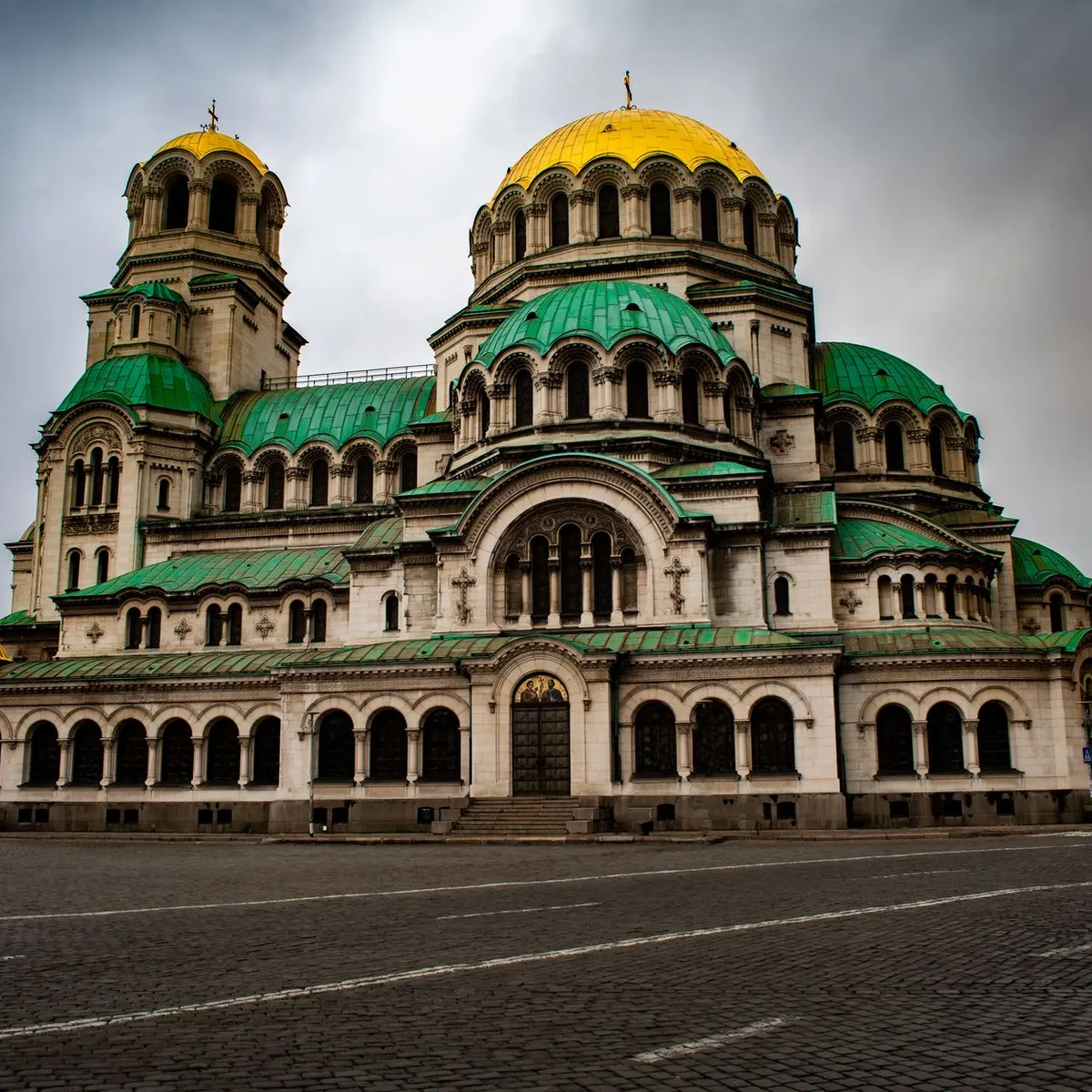
Alexander Nevsky Cathedral— A major city symbol verified by Sofia tourism sources; check entrance thresholds and service times before visiting.
Ancient Serdica / Largo area— Central excavated Roman remains are publicly visible; inspect underpass and lift routes because level changes matter.
Ivan Vazov National Theatre / City Garden— A central cultural landmark and adjacent park area; good for a short outing if pavements and crossings are checked.
Vitosha Boulevard— Main pedestrian commercial street; generally useful for cafes and orientation, but watch paving, crowds, and side-street gradients.
Community & language
Bulgarian is primary, with English more common among younger residents, private clinics, and central hospitality. Local disability groups or expat forums can help identify reliable drivers and buildings.
Would we recommend it?
Yes, cautiously. Sofia has good urban services and better pavement data than most of this batch, but hills, winter, and inconsistent legacy access mean it works best with a central base and verified routes.
These figures combine public statistics, models, and live weather where available. Every city is different — treat this as a guide, and share what you know in the Reviews & Corrections tab.
Profile last updated 6/30/2026.