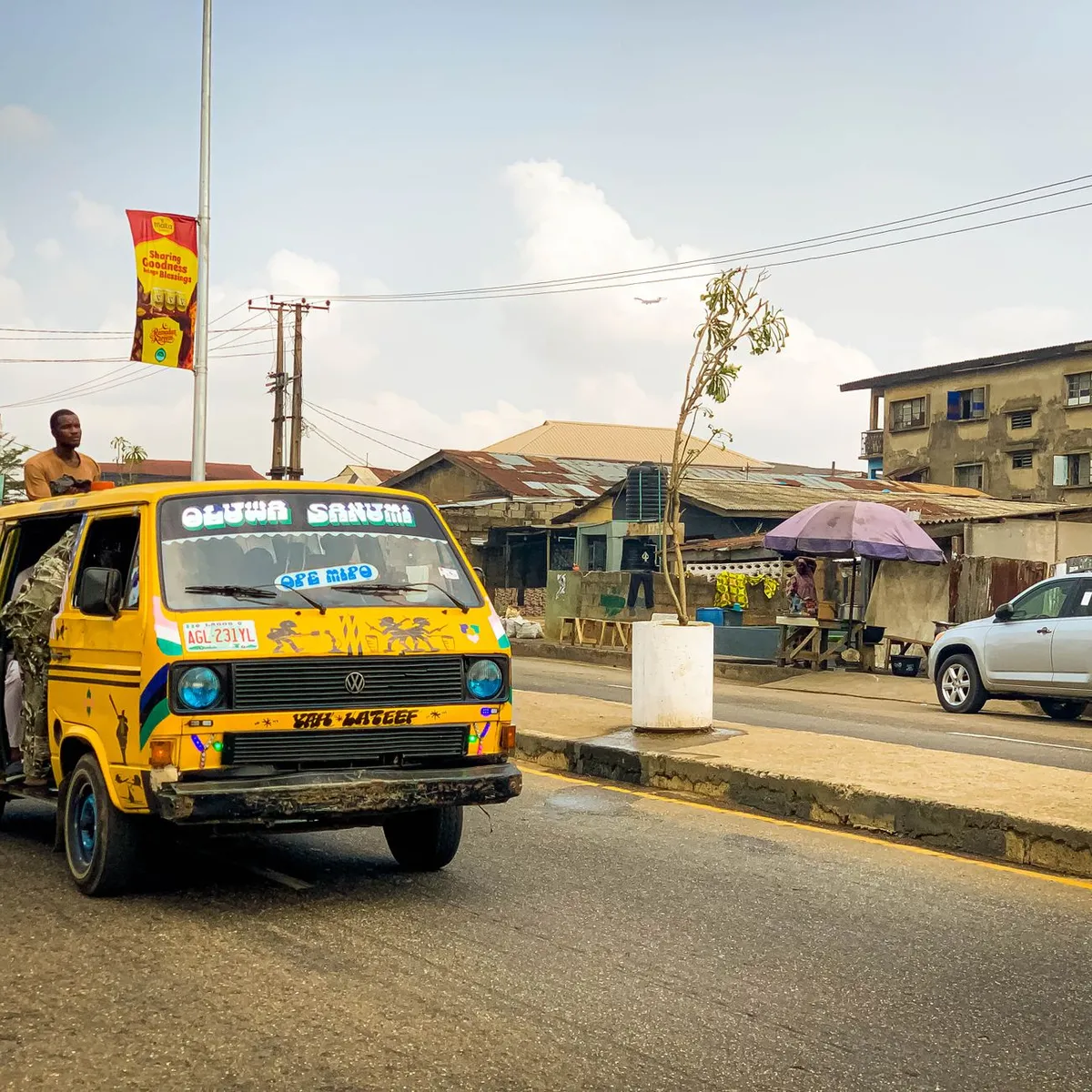
 Photo: EDRIS IBRAHEEM / Pexels
Suleja
Suleja accessibility for wheelchair users
Compare Suleja by accessibility, transport, terrain, healthcare, cost, weather, laws, reviews, and community notes.
Suleja accessibility scores
Compare Suleja by accessibility, transport, terrain, healthcare, cost, weather, and laws. General stats use public data and models. Community rows reflect member reviews and votes.
General stats
National benchmarks and estimates — your experience in this city may differ.
Community
Starts from our estimate — thumbs up nudge toward Excellent, down toward Poor. Reviews use 1–5 stars.
These figures combine public statistics, models, and live weather where available. Every city is different — treat this as a guide, and share what you know in the Reviews & Corrections tab.
Profile last updated 7/1/2026.
Suleja wheelchair accessibility guide
Research Suleja for wheelchair users and caregivers: getting around, terrain, healthcare, costs, climate, accessible things to do, and practical caveats before booking.
Last updated 7/1/2026At a glance
Suleja is a city just north of Abuja in Niger State. Its best accessibility argument is proximity to the Federal Capital Territory: a wheelchair user may be able to base in or near Abuja for stronger hospitals, airports, hotels, and private transport, then visit Suleja for specific reasons. As a standalone base, Suleja needs caution. The RollVenture row shows low ramp availability, low wheelchair-transport confidence, hilly terrain, and mostly untagged or unpaved street-surface data.
Costs are lower than many capitals: RollVenture lists monthly living cost from ~$1,728/mo, with housing from ~$616/mo. Accessible housing may cost more if you need reliable power, paved access, a bathroom that can be modified, and staff who understand transfers.
Getting around
Wikipedia describes Suleja as just north of Abuja and notes its historical link to the old name Abuja. That proximity is important: most wheelchair users should arrange airport or intercity logistics through Abuja rather than depend on local informal transport. Inside Suleja, do not assume shared taxis, minibuses, or motorcycle taxis can take a wheelchair safely. Use a private car, choose destinations close together, and avoid night arrivals on unfamiliar roads.
Terrain & mobility
The DB terrain profile labels Suleja hilly, with a sizeable elevation range. Pavement confidence is medium, but dominant surfaces are untagged and unpaved. That points to broken edges, dust, mud, and inconsistent shoulder conditions. Manual wheelchair users should expect pushing help on slopes and at compound entrances. Power-chair users should check charging and vehicle loading before committing.
Healthcare & care
OpenStreetMap healthcare leads include Suzan Hospital, Liberty Hospital, Faag Hospital, MDGS Clinic B Division, and Kubwa General Hospital farther toward Abuja. Treat all as leads only. For higher-acuity care, the Abuja/Kubwa corridor may be more realistic than relying solely on small local facilities. Confirm step-free entry, emergency hours, oxygen/imaging availability, and payment method before you need care.
Costs & housing
Short stays are safer in newer hotels or compounds with paved internal roads. Ask for room photos, step count from parking to room, bathroom thresholds, generator hours, and whether staff can help source a ramp board. If you need daily personal care, arrange it through Abuja contacts first.
Climate & comfort
Suleja’s dry season can be dusty and hot; rainy periods can make unpaved access messy. Plan errands early, keep water in the vehicle, and avoid trying to roll long roadside stretches.
Accessible things to do
Ladi Kwali Pottery Centre— Suleja’s best-known cultural stop; contact ahead to ask about entrance surface, seating, demonstrations, and toilets.
Suleja old town/history route— use a private vehicle to see the city’s older quarters and emirate context; do not assume smooth pavements.
Makabolo River/Nok-history context— Wikipedia notes Nok-related finds around Suleja; treat this as a guided heritage lead rather than a barrier-free site.
Abuja day-link— for museums, malls, hospitals, and hotels with better accessibility odds, use Suleja’s proximity to Abuja as part of the plan.
Community & language
English is useful in formal settings; Hausa and local languages matter in markets and transport. Carry written addresses and call destinations before leaving.
Would we recommend it?
Yes only as a supported Abuja-adjacent stop. Suleja has heritage value, but wheelchair users should keep accommodation, healthcare backup, and transport anchored to verified providers.
These figures combine public statistics, models, and live weather where available. Every city is different — treat this as a guide, and share what you know in the Reviews & Corrections tab.
Profile last updated 7/1/2026.