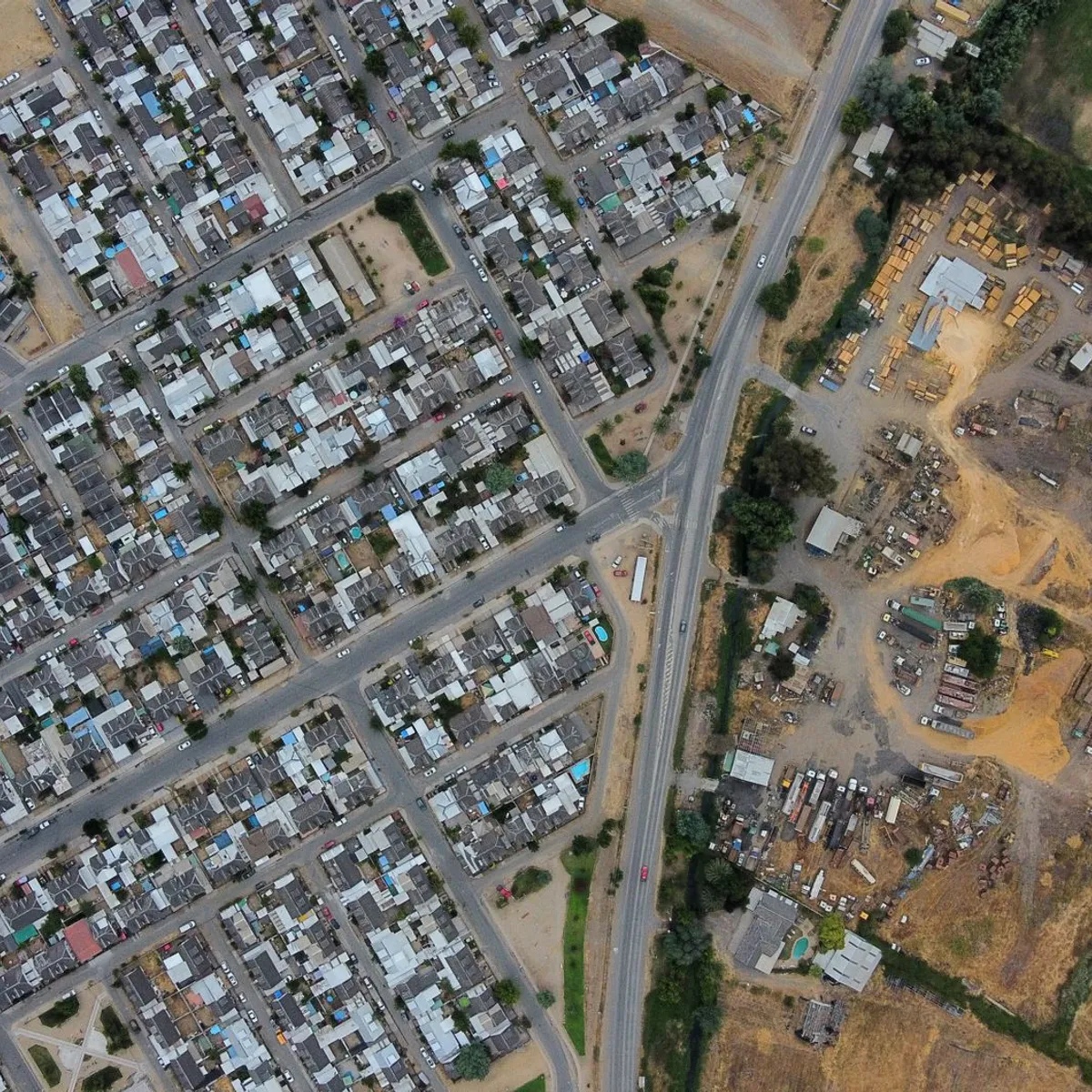
 Photo: Jorge Alvarado Gutierrez / Pexels
Talcahuano
Talcahuano accessibility for wheelchair users
Compare Talcahuano by accessibility, transport, terrain, healthcare, cost, weather, laws, reviews, and community notes.
Talcahuano accessibility scores
Compare Talcahuano by accessibility, transport, terrain, healthcare, cost, weather, and laws. General stats use public data and models. Community rows reflect member reviews and votes.
General stats
National benchmarks and estimates — your experience in this city may differ.
Community
Starts from our estimate — thumbs up nudge toward Excellent, down toward Poor. Reviews use 1–5 stars.
These figures combine public statistics, models, and live weather where available. Every city is different — treat this as a guide, and share what you know in the Reviews & Corrections tab.
Profile last updated 6/30/2026.
Talcahuano wheelchair accessibility guide
Research Talcahuano for wheelchair users and caregivers: getting around, terrain, healthcare, costs, climate, accessible things to do, and practical caveats before booking.
Last updated 6/30/2026At a glance
Talcahuano is a working port city in Chile's Biobío region, best treated as a practical coastal base rather than a polished accessible resort. RollVenture's live row gives it a mid-range accessibility score of 56/100 and a monthly living-cost estimate from ~$2,294/mo, with housing from ~$954/mo. The strongest local advantage for wheelchair users is the flatter coastal geography: the stored terrain sample is gently rolling, around 23 m average elevation, with a sampled maximum grade of 3.3%. The OSM pavement sample is unusually encouraging for this batch, with high confidence and many concrete/asphalt ways, but individual ramps, curb cuts, toilets, and venue entrances still need direct confirmation.
Getting around
Plan around taxis, private transfers, and short coastal loops rather than assuming a fully accessible public-transport chain. Talcahuano is connected to the Greater Concepción area, so some trips will involve intercity-style movement between port districts, hospitals, and attractions. Ask hotels or hosts to book vehicles with enough boot space for a folding chair, and confirm whether drivers can assist with transfers. Keep extra time for wet weather, port traffic, and uneven approaches around older waterfront blocks.
Terrain & mobility
The city is less punishing than steep inland destinations: sampled slopes are modest and the pavement profile shows many hard surfaces. That said, port towns often mix good waterfront promenades with abrupt curbs, industrial roads, cracked sidewalks, and drainage lips. Treat the central and waterfront areas as the most promising zones, but pre-check any restaurant, museum, or beach approach. Coastal wind and winter rain can make transfers and manual-chair pushes more tiring than the map suggests.
Healthcare & care
The DB healthcare profile lists Hospital Las Higueras as an emergency hospital lead about 1.9 km from the centre, plus CESFAM Paulina Avendaño Pereda and Clínica Biobío in the wider area. These are OSM-derived leads, not care guarantees. Before relocating or planning a long stay, confirm emergency intake, insurance/payment rules, rehabilitation availability, English-language support if needed, and whether nearby pharmacies can supply your regular equipment or medication.
Costs & housing
The row estimates living costs from ~$2,294/mo, with housing from ~$954/mo, food from ~$393/mo, transport from ~$206/mo, medical from ~$137/mo, PT from ~$96/mo, and home aid from ~$508/mo. Use those as planning placeholders. Prioritize step-free apartments near the better-paved coastal or central corridors, ask for doorway/bathroom measurements, and request recent photos or video of the building entrance, shower, elevator, and street curb.
Climate & comfort
Talcahuano has a cool coastal pattern: the DB climate table shows mild summers around 16-17°C and wet winters, with June around 219 mm of rain and July-August still rainy. That means low heat stress compared with many Latin American cities, but frequent damp conditions in winter. Waterproof cushion covers, anti-slip tires, gloves, and a backup indoor route plan matter.
Accessible things to do
Monitor Huáscar / naval waterfront— The historic monitor is a verified Talcahuano landmark; treat access as a check-ahead museum/ship visit because gangways and decks may be difficult.
Caleta Lenga waterfront— A coastal dining and promenade lead near the bay; promising for views and seafood, but confirm curb cuts, toilet access, and parking.
Talcahuano port and coastal viewpoints— Use the working waterfront for short scenic drives or assisted rolls where pavement is continuous; avoid industrial edges without a local driver.
Hualpén/Tumbes coastal outings— Nearby coastal nature areas can be worthwhile by car; verify surface, toilets, and distance before committing.
Community & language
Spanish is essential for appointments, taxis, and housing checks. The city is friendly enough on the scores, but disability access is still uneven and often solved through local help rather than formal systems. Build a small contact list: hotel desk, taxi driver, clinic, pharmacy, and a Spanish-speaking helper.
Would we recommend it?
Yes, cautiously, for wheelchair users who want a lower-cost Chilean coastal base near Concepción and can arrange private transport. Talcahuano is not a turnkey accessible destination, but its flatter terrain and stronger pavement profile make it more workable than many same-score cities if you verify housing and medical support first.
These figures combine public statistics, models, and live weather where available. Every city is different — treat this as a guide, and share what you know in the Reviews & Corrections tab.
Profile last updated 6/30/2026.