 Photo: Samar L. / Pexels
Tel Aviv
Tel Aviv accessibility for wheelchair users
Compare Tel Aviv by accessibility, transport, terrain, healthcare, cost, weather, laws, reviews, and community notes.
Tel Aviv accessibility scores
Compare Tel Aviv by accessibility, transport, terrain, healthcare, cost, weather, and laws. General stats use public data and models. Community rows reflect member reviews and votes.
General stats
National benchmarks and estimates — your experience in this city may differ.
Community
Starts from our estimate — thumbs up nudge toward Excellent, down toward Poor. Reviews use 1–5 stars.
These figures combine public statistics, models, and live weather where available. Every city is different — treat this as a guide, and share what you know in the Reviews & Corrections tab.
Profile last updated 6/30/2026.
Tel Aviv wheelchair accessibility guide
Research Tel Aviv for wheelchair users and caregivers: getting around, terrain, healthcare, costs, climate, accessible things to do, and practical caveats before booking.
Last updated 6/30/2026At a glance
Tel Aviv is one of the more promising wheelchair-user cities in this batch because the live DB row combines a high accessibility score, mostly flat terrain, high-confidence pavement data, and curated hospital notes. It is also expensive and security-sensitive, so the best experience comes from choosing a step-free hotel near the beach promenade, Rothschild/Sarona, or a major transit corridor, then verifying beach and venue details before arrival.
Getting around
Plan around short rolls, taxis, and the more accessible parts of the public transport network. The city has extensive bus and light-rail connections, but step-free station access, crowding, and service disruptions should be checked on the day. For airport transfers or medical appointments, book a vehicle that can handle your chair rather than assuming one will be available quickly.
Terrain & mobility
The DB terrain profile is mostly flat, with an average elevation around 17m and a sampled max grade under 1%. OSM pavement confidence is high, with asphalt, paving stones, and concrete common. The main issues are not hills; they are construction, sand near beaches, café clutter, curb cuts, and older Jaffa lanes.
Healthcare & care
The row has curated healthcare anchors: Tel Aviv Sourasky Medical Center / Ichilov in the city and Sheba Medical Center at Tel Hashomer nearby. These are strong medical leads, but insurance, appointment language, and accessible transport still need to be arranged before travel.
Costs & housing
Use the DB baseline from ~$4,308/mo, with housing around $2,352/mo. Accessible apartments and hotels can be much higher. Require lift dimensions, step-free bathroom photos, and backup power/elevator information.
Climate & comfort
Summers are hot and humid; winter is milder but can bring rain. The sea breeze helps on the promenade, but hydration, shade, and charging stops are important.
Accessible things to do
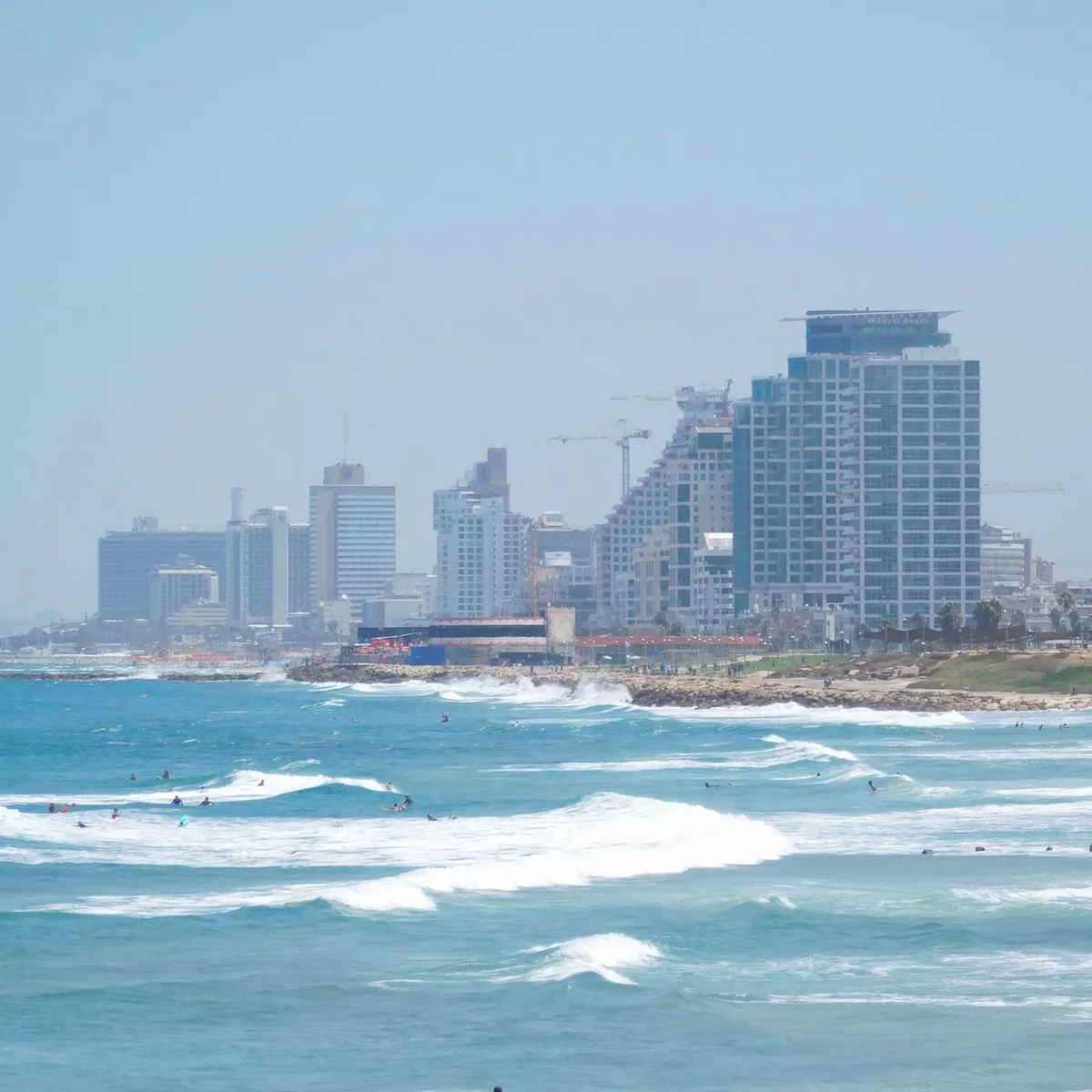
Tayelet and beach access points— the seafront promenade is the easiest signature roll; verify current accessible beach mats, ramps, and lifeguarded sections before planning sand access.
Tel Aviv Museum of Art— a strong indoor culture option; confirm accessible entrance routing, elevators, and accessible restrooms for the current exhibition area.
Yarkon Park— mostly flat park paths can work well for longer rolls, though distances are large and some surfaces may be rough.
Sarona / Rothschild Boulevard— good for café breaks and flatter urban rolling, with better bailout options than older quarters.
Old Jaffa port edge— worthwhile if approached cautiously; the port area is easier than the steeper stone lanes above it.
Community & language
Hebrew is primary, Arabic is common, and English is widely used in tourism and hospitals. Ask venues for written accessibility details.
Would we recommend it?
Yes. Tel Aviv is expensive, but it is one of the better live candidates for independent wheelchair travel if beach access, transport, and lodging are checked in advance.
These figures combine public statistics, models, and live weather where available. Every city is different — treat this as a guide, and share what you know in the Reviews & Corrections tab.
Profile last updated 6/30/2026.