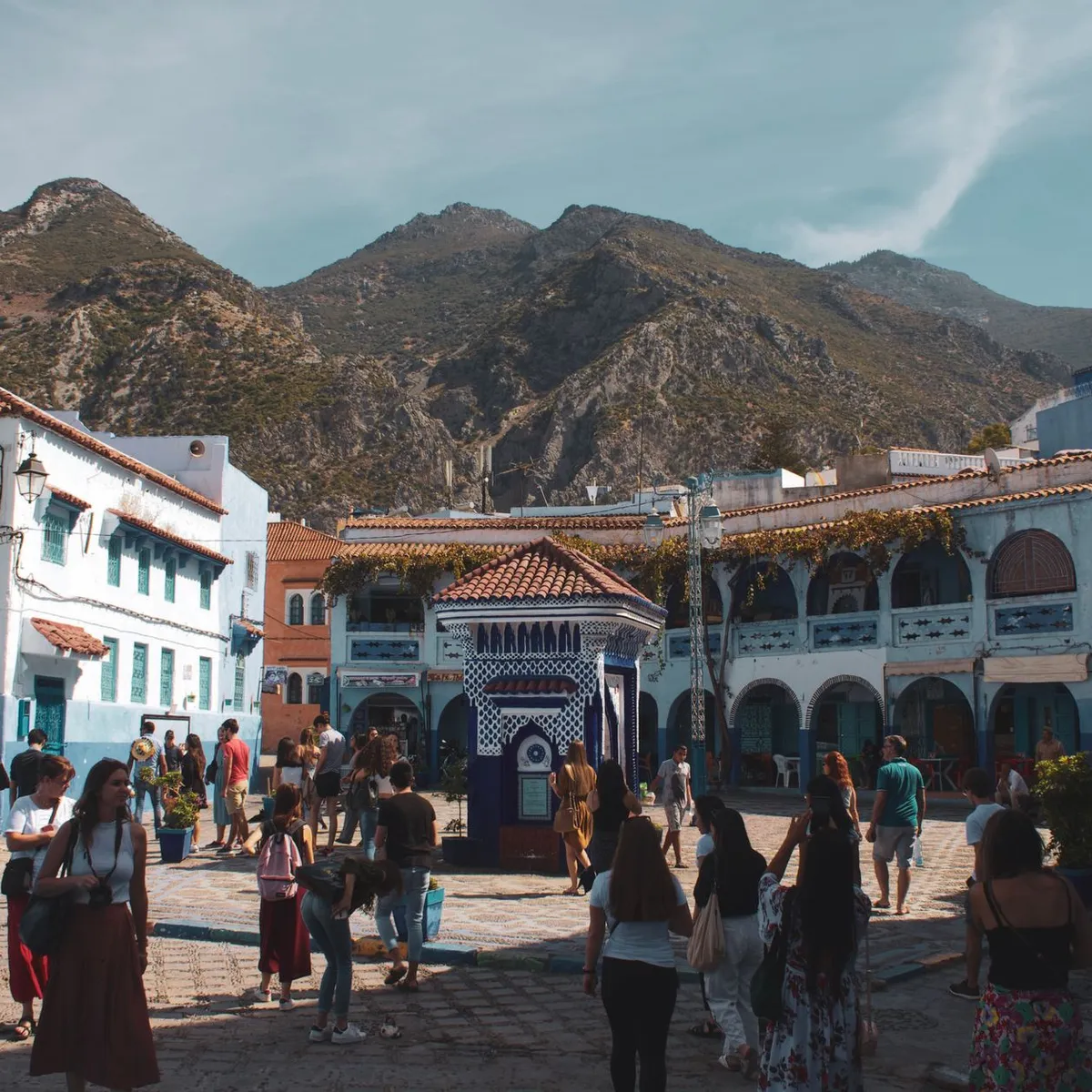
 Photo: Mark Neal / Pexels
Tétouan
Tétouan accessibility for wheelchair users
Compare Tétouan by accessibility, transport, terrain, healthcare, cost, weather, laws, reviews, and community notes.
Tétouan accessibility scores
Compare Tétouan by accessibility, transport, terrain, healthcare, cost, weather, and laws. General stats use public data and models. Community rows reflect member reviews and votes.
General stats
National benchmarks and estimates — your experience in this city may differ.
Community
Starts from our estimate — thumbs up nudge toward Excellent, down toward Poor. Reviews use 1–5 stars.
These figures combine public statistics, models, and live weather where available. Every city is different — treat this as a guide, and share what you know in the Reviews & Corrections tab.
Profile last updated 7/1/2026.
Tétouan wheelchair accessibility guide
Research Tétouan for wheelchair users and caregivers: getting around, terrain, healthcare, costs, climate, accessible things to do, and practical caveats before booking.
Last updated 7/1/2026At a glance
Tétouan is a culturally rich northern Moroccan city close to the Rif Mountains and the Mediterranean. It is rewarding but difficult for wheelchair access. The live row scores it 55 overall but only 32 for accessibility, with costs from ~$1,923/mo and housing from ~$803/mo. The positives are lower costs, nearby hospitals/clinics as OSM leads, and several identifiable cultural sights. The negatives are decisive: very hilly terrain, historic medina streets, limited ramp availability, and a strong need for a personal assistant or driver.
Getting around
Plan around taxis, private drivers, and short tested routes. Do not count on step-free public transport. The medina and older districts are best approached as assisted visits, with drop-off points chosen in advance. If you need a power chair, confirm vehicle loading and charging. If you use a manual chair, expect frequent pushes on slopes and cobbles. Staying near a modern road, clinic, and grocery store will be easier than staying inside a scenic historic area.
Terrain & mobility
The terrain profile is the central access issue. OpenTopoData/ASTER samples label Tétouan very hilly, with a sampled maximum grade around 14.4% and an elevation range over 900 m. OSM pavement scoring is high for tagged roads, but that does not capture steps, narrow lanes, curb heights, medina thresholds, or steep approaches. The historic medina is UNESCO-listed and culturally important, but wheelchair users should expect uneven surfaces, crowds, ramps that may not meet standards, and routes that require assistance.
Healthcare & care
OSM healthcare leads include Centre de Sante Touila, Hôpital Sanyat Rmel, Clinique an-Nakhil, Clinique Tétouan, and Hôpital Espagnol within the urban area. These are not guarantees of accessible care. Confirm entrance ramps, elevators, emergency services, specialties, payment requirements, and language support in Arabic/French/Spanish before relying on them. The row estimates medical costs from ~$129/mo and home aid from ~$401/mo; dependable personal care should be arranged through local contacts or agencies.
Costs & housing
Tétouan is comparatively affordable in the DB: from ~$1,923/mo, housing from ~$803/mo, transport from ~$171/mo, and home aid from ~$401/mo. Accessibility will narrow the housing market sharply. Avoid romantic listings in stepped lanes unless the host can prove step-free access. Require current photos/video of the entrance, shower, elevator or ground-floor route, street slope, and vehicle drop-off. Air-conditioning, heating, and reliable hot water are important comfort checks.
Climate & comfort
The climate is Mediterranean, with warm dry summers and wetter cooler winters. Rain can make stone, tile, and steep streets slippery. Summer heat is easier than desert interiors but still affects fatigue on hills. Shade, rest stops, and short outing windows are useful.
Accessible things to do
Tétouan Medina— UNESCO-recognized and essential culturally, but not independently wheelchair-friendly; visit with a guide who can choose the least-steep route and arrange assistance.
Archaeological Museum of Tétouan— a compact cultural stop to verify directly for step-free entrance, interior circulation, and toilet access.
Royal Palace / Place Hassan II exterior area— a central orientation point where a driver can help manage drop-off and route checking; access varies around crowds/security.
Ethnographic Museum / Bab el-Okla area— worthwhile if entrance steps and nearby street grades are confirmed in advance.
Martil or nearby coast— a flatter break from the hills by car; verify promenade surfaces, beach wheelchair availability, and accessible toilets before planning a beach day.
Community & language
Arabic and Moroccan Arabic are central; French and Spanish can be useful in Tétouan. English is less dependable. Local assistance, guides, and drivers can make or break the stay. Disability rights exist nationally, but practical access remains inconsistent.
Would we recommend it?
For culture-focused travelers with assistance, yes cautiously. For independent wheelchair living, no: the hills, medina fabric, and weak access infrastructure create too many daily barriers unless housing, driver, and support are verified before arrival.
These figures combine public statistics, models, and live weather where available. Every city is different — treat this as a guide, and share what you know in the Reviews & Corrections tab.
Profile last updated 7/1/2026.
Reviews & corrections
Share your experience or suggest a data correction. Both appear publicly; admin updates official city scores and costs separately.
Log in to write a review or suggest a correction.
No reviews or corrections yet.