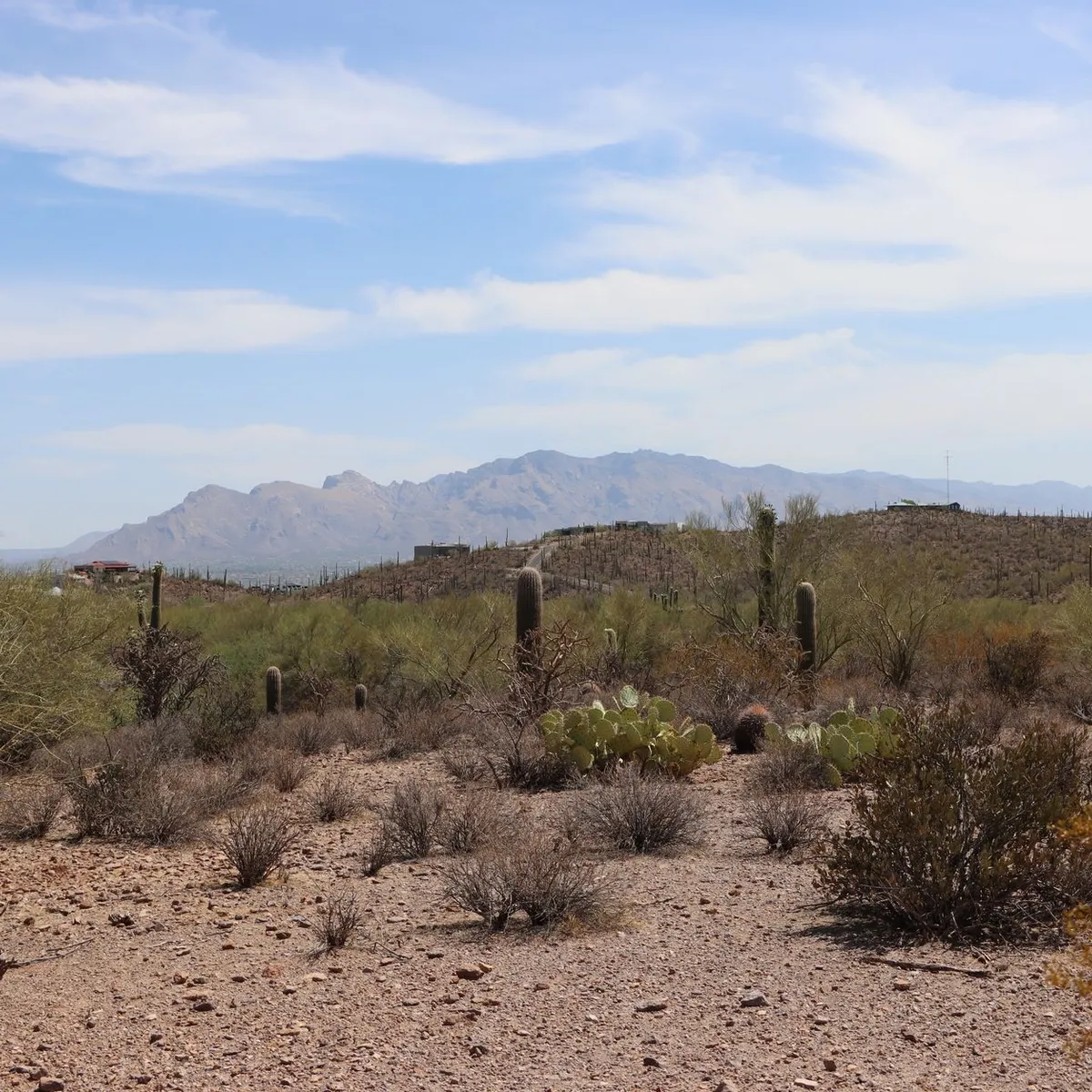
 Photo: Lindsey Willard / Pexels
Tucson
Tucson accessibility for wheelchair users
Compare Tucson by accessibility, transport, terrain, healthcare, cost, weather, laws, reviews, and community notes.
Tucson accessibility scores
Compare Tucson by accessibility, transport, terrain, healthcare, cost, weather, and laws. General stats use public data and models. Community rows reflect member reviews and votes.
General stats
National benchmarks and estimates — your experience in this city may differ.
Community
Starts from our estimate — thumbs up nudge toward Excellent, down toward Poor. Reviews use 1–5 stars.
These figures combine public statistics, models, and live weather where available. Every city is different — treat this as a guide, and share what you know in the Reviews & Corrections tab.
Profile last updated 6/30/2026.
Tucson wheelchair accessibility guide
Research Tucson for wheelchair users and caregivers: getting around, terrain, healthcare, costs, climate, accessible things to do, and practical caveats before booking.
Last updated 6/30/2026At a glance
Tucson works best for wheelchair users who value dry weather, major desert scenery, and car- or paratransit-assisted outings. The live DB row scores it 74 overall and high on accessibility, with strong ramp and wheelchair-transport indicators, but the terrain profile is labeled hilly and the pavement sample has low confidence. Treat Tucson as accessible in nodes rather than uniformly rollable: visitor centers, campuses, museums, and major parks can be manageable, while heat, distance, and missing sidewalk detail can make spontaneous rolling harder.
Getting around
Sun Tran, Sun Link, Sun Van, and related services are the public-mobility framework to research before arrival. The operator’s site exposes Title VI/ADA and Sun Van information, and its mission statement emphasizes public transportation, but route-level access and eligibility details should be checked directly. For many visitors, the simplest plan is accessible rideshare or rental vehicle plus targeted transit where stops and times are known.
Terrain & mobility
The city sits in the Sonoran Desert with long distances between attractions. The DB terrain sample shows a hilly label, around 2.7% maximum sampled grade, and only low-confidence pavement data. Downtown and campus-adjacent areas are easier than desert trailheads or hillside neighborhoods. Heat exposure is a mobility issue: summer pavement, metal ramps, and long waits can be unsafe.
Healthcare & care
OpenStreetMap leads include Tucson Emergency Room And Hospital, TMC Geropsychiatric Center At Handmaker, Abrams Public Health Center, and Banner Health. Confirm ER choice, insurance, after-hours urgent care, and whether any specialist or home-aid support can be booked before travel. Hydration, heat illness planning, and backup power for devices matter here.
Costs & housing
The DB estimate is from ~$4,005/mo, with housing from ~$1,838/mo. Tucson can look affordable compared with coastal U.S. cities, but accessible short-term rentals with roll-in showers, shaded parking, and step-free entries can be scarcer. Ask for current photos of thresholds, bathroom layout, bed height, and driveway slope.
Climate & comfort
Dry heat is Tucson’s defining comfort factor. Winter and shoulder seasons are more pleasant; summer requires early starts, midday indoor breaks, and a strict hydration plan. Dust, monsoon storms, and intense sun can affect wheelchair tires, electronics, skin, and fatigue.
Accessible things to do
Saguaro National Park visitor centers— The National Park Service says both visitor centers have accessible visitor centers, assistive door systems, flat surfaces, accessible parking, restrooms, drinking fountains, paved cactus garden paths, and captioned orientation programs.
Cactus Forest Drive / Bajada Loop planning— NPS describes scenic-drive options and accessible parking or pullouts, but one west-side loop is unpaved; ask rangers for current surface and vehicle guidance.
Tucson Botanical Gardens— The official site confirms the garden location and visitor planning pages; verify current path conditions and accessibility details before booking because the direct accessibility page tested as unavailable.
Downtown Tucson and Sun Link corridor— Use as a lower-effort urban plan for food, museums, and shade breaks, but verify stop access and crossing distances for the exact day.
Community & language
English is the default, with Spanish widely present. Disability vocabulary is familiar in public agencies, but you should still be explicit about “step-free,” “roll-in shower,” “lift-equipped,” and “door width.” Local disability organizations and hospital social-work teams may be useful for longer stays.
Would we recommend it?
Yes for winter, desert scenery, and travelers who can plan around heat and distances. Tucson is less ideal for a no-car, spontaneous rolling trip. Build the itinerary around verified accessible nodes, shaded transfers, and backup transportation.
These figures combine public statistics, models, and live weather where available. Every city is different — treat this as a guide, and share what you know in the Reviews & Corrections tab.
Profile last updated 6/30/2026.