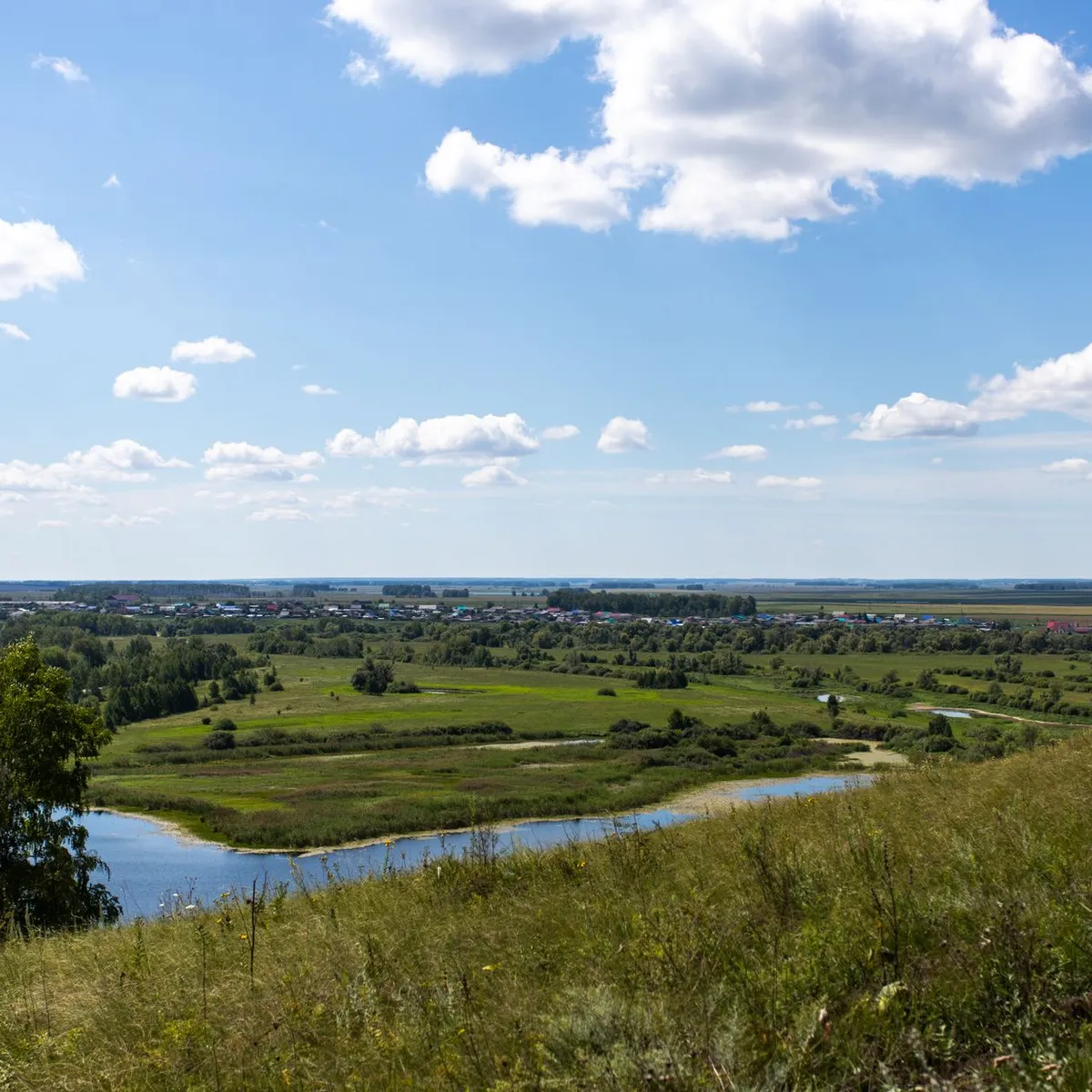
 Photo: Михаил Крамор / Pexels
Tyumen
Tyumen accessibility for wheelchair users
Compare Tyumen by accessibility, transport, terrain, healthcare, cost, weather, laws, reviews, and community notes.
Tyumen accessibility scores
Compare Tyumen by accessibility, transport, terrain, healthcare, cost, weather, and laws. General stats use public data and models. Community rows reflect member reviews and votes.
General stats
National benchmarks and estimates — your experience in this city may differ.
Community
Starts from our estimate — thumbs up nudge toward Excellent, down toward Poor. Reviews use 1–5 stars.
These figures combine public statistics, models, and live weather where available. Every city is different — treat this as a guide, and share what you know in the Reviews & Corrections tab.
Profile last updated 6/30/2026.
Tyumen wheelchair accessibility guide
Research Tyumen for wheelchair users and caregivers: getting around, terrain, healthcare, costs, climate, accessible things to do, and practical caveats before booking.
Last updated 6/30/2026At a glance
Tyumen is a large Siberian regional capital on the Tura River, with a practical urban base, cold winters, and enough medical and transport depth to make it more workable than many smaller Russian cities. The RollVenture score is moderate rather than easy: DB costs are from ~$2,625/mo, housing from ~$1,356/mo, and accessibility is only 41/100. Treat Tyumen as a possible long-stay base for people who can manage winter logistics, Russian-language administration, and advance checking, not as a low-friction wheelchair destination.
Getting around
Wikivoyage lists buses, marshrutkas, and taxis as the basic ways to move around Tyumen. For wheelchair users, taxis or prearranged private transport will usually be more predictable than minibuses. The city has a railway station and an airport for regional access, but station elevators, vehicle ramps, and assistance windows should be confirmed before booking. Snow, ice, and slush can turn a short roll into a high-effort transfer in winter, so build plans around fewer, better-checked routes.
Terrain & mobility
The sampled terrain is gently rolling, with 100% flat samples and a low max grade around 0.9%, which is encouraging for basic route planning. Pavement data is higher-confidence and mixed: about 38% good tagged surfaces, 1% poor, and many untagged/asphalt segments. In practice, expect workable central corridors, curb cuts that may be inconsistent, and side streets that can degrade quickly in snow season. A manual chair user should preview crossings and entrances; power-chair users should confirm heated indoor storage and charging at housing.
Healthcare & care
OpenStreetMap healthcare leads near the center include several hospital or clinic entries such as the regional dermatovenerology dispensary, infectious clinical hospital, AIDS center, and City Polyclinic No. 1. These are leads, not access guarantees. Confirm specialty availability, appointment systems, and whether entrances, lifts, and toilets are accessible. For longer stays, arrange Russian-speaking help for first appointments and prescriptions.
Costs & housing
The DB model estimates living costs from ~$2,625/mo and housing from ~$1,356/mo. Use those numbers as planning ranges, not quotes. Accessible housing is the critical constraint: request step-free entry, elevator dimensions, bathroom photos, winter snow-clearing responsibility, and whether taxis can stop close to the door. Newer apartment blocks may be easier than older walk-ups, but verification matters more than neighborhood reputation.
Climate & comfort
Tyumen has a continental Siberian climate. Winter cold, snowbanks, icy curb ramps, and short daylight can be more limiting than the terrain. Summer is much easier for outdoor rolling, including riverfront plans, but storms and uneven surfacing still matter. Internet is estimated around 70 Mbps, which is useful for remote work if the building connection is stable.
Accessible things to do
Tura River embankment— Wikivoyage and local travel listings consistently treat the riverfront as a central Tyumen walk/roll area; verify ramped approaches and winter maintenance.
Tyumen museums cluster— Wikivoyage lists museums among the main sights. Choose one or two central museums and contact them directly about step-free entrance, lifts, and toilets.
Central parks— Park routes are better candidates than old-street wandering, especially in dry weather. Check surface material and restroom access before going.
Hot-spring day trips— The region is known for hot-spring resorts, but transport, pool hoists, and changing-room access must be confirmed directly; do not assume spa accessibility.
Community & language
Russian is essential for healthcare, landlord conversations, and government offices. English may appear in hotels or tourism contexts but should not be relied on. A local assistant, driver, or interpreter will materially improve access.
Would we recommend it?
Yes, with caveats. Tyumen is one of the stronger remaining empty rows because it has scale, flat terrain, and healthcare leads, but winter and inconsistent accessibility keep it from being easy. Best fit: a traveler with support, Russian-language help, and a preference for planned taxi-based routines.
These figures combine public statistics, models, and live weather where available. Every city is different — treat this as a guide, and share what you know in the Reviews & Corrections tab.
Profile last updated 6/30/2026.