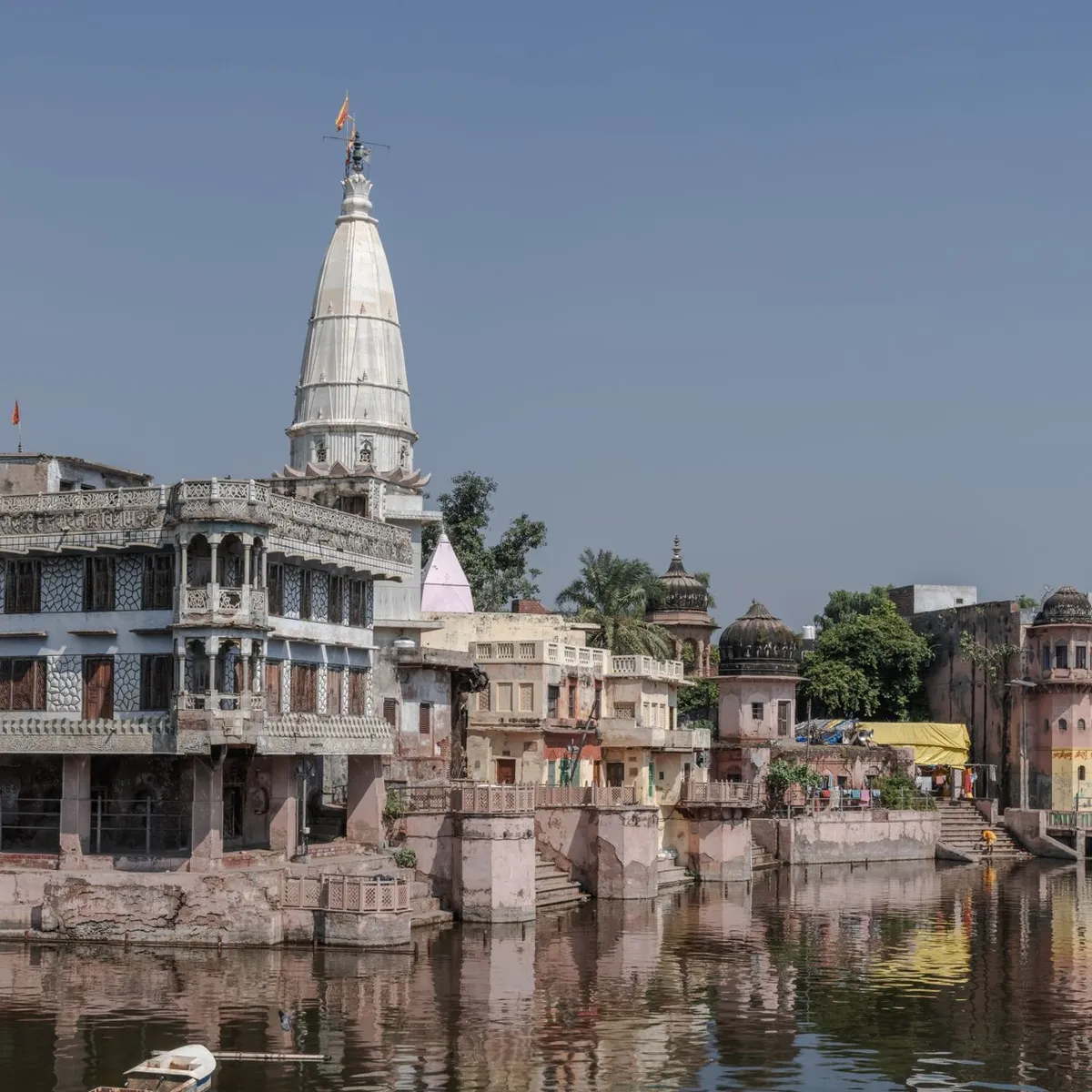
 Photo: Roman Saienko / Pexels
Ujjain
Ujjain accessibility for wheelchair users
Compare Ujjain by accessibility, transport, terrain, healthcare, cost, weather, laws, reviews, and community notes.
Ujjain accessibility scores
Compare Ujjain by accessibility, transport, terrain, healthcare, cost, weather, and laws. General stats use public data and models. Community rows reflect member reviews and votes.
General stats
National benchmarks and estimates — your experience in this city may differ.
Community
Starts from our estimate — thumbs up nudge toward Excellent, down toward Poor. Reviews use 1–5 stars.
These figures combine public statistics, models, and live weather where available. Every city is different — treat this as a guide, and share what you know in the Reviews & Corrections tab.
Profile last updated 7/1/2026.
Ujjain wheelchair accessibility guide
Research Ujjain for wheelchair users and caregivers: getting around, terrain, healthcare, costs, climate, accessible things to do, and practical caveats before booking.
Last updated 7/1/2026At a glance
Ujjain is one of India's major pilgrimage cities, centered on the Mahakaleshwar temple area and the Shipra River ghats. For wheelchair users, it offers low living costs and mostly flat terrain, but crowds, uneven old-city streets, temple thresholds, and limited verified accessible transport make it a high-planning destination. RollVenture's data estimates living costs from ~$1,335/mo and labels the terrain mostly flat, yet infrastructure and ramp scores are low, so the challenge is not hills; it is surfaces, crowds, toilets, and predictable step-free routing.
Getting around
Use a private car with a patient driver for most trips. Auto-rickshaws and ordinary local buses are not reliable wheelchair access solutions, and traffic near temples can force drop-offs away from entrances. Ujjain Junction is an important rail link, but station elevators, platform access, and boarding assistance should be confirmed for the exact train and platform. Start outings early, avoid festival peaks unless you have strong local support, and keep routes short.
Terrain & mobility
The city is largely flat in the database terrain sample, which helps reduce fatigue once a route is actually passable. The problem is pavement uncertainty: OSM surface tagging confidence is low, and many ways are untagged. Expect broken sidewalks, informal parking, drainage gaps, and sudden steps near older lanes and ghats. A manual wheelchair user may need a companion for curb negotiation; power-chair users should be cautious around crowd pressure and wet paving during monsoon.
Healthcare & care
Stored healthcare leads include Visual Eye Hospital, Ujjain Heart Hospital and Intensive Care Unit, Radiant Eye Hospital, Saurabh Eye Hospital, and a charitable hospital. These should be treated as nearby medical leads, not access guarantees. For chronic conditions, keep Indore as a backup city for broader specialist care, and identify pharmacy delivery before arrival. Carry prescriptions in English and local-language notes if possible.
Costs & housing
Costs are favorable, with living from ~$1,335/mo and housing from ~$501/mo in the database. Accessible housing is the constraint. Newer hotels outside the tight temple core may be more practical than heritage or budget stays inside the old city. Ask for elevator dimensions, step-free entrance photos, bathroom thresholds, and whether a vehicle can stop directly at the lobby.
Climate & comfort
Summers are hot, monsoon rain can flood low spots, and pilgrimage crowds can make temperature stress worse. Winter is generally the most comfortable season for slow travel. Plan shade breaks and hydration around temple visits.
Accessible things to do
Mahakaleshwar Temple area— Spiritually central, but access can change with crowd controls and security routes; contact the temple or administration before visiting and go with local assistance.
Ram Ghat / Shipra Riverfront— Important for orientation and rituals, but ghats mean steps and wet stone. Treat paved viewing areas as the realistic option.
Kalidasa Academy— A cultural venue that may be easier to manage than river steps; verify event access, ramps, and toilets.
Vedh Shala / Jantar Mantar, Ujjain— An open-air observatory site; confirm paths and entrances before visiting, especially after rain.
Community & language
Hindi is the main working language, with English possible at hotels, hospitals, and some attractions. A local assistant or guide is strongly recommended for temple approaches and station transfers.
Would we recommend it?
Only for travelers with a strong reason to visit Ujjain and enough support. The city can be meaningful and affordable, but independent wheelchair travel will be difficult without confirmed lodging, driver support, and conservative scheduling.
These figures combine public statistics, models, and live weather where available. Every city is different — treat this as a guide, and share what you know in the Reviews & Corrections tab.
Profile last updated 7/1/2026.