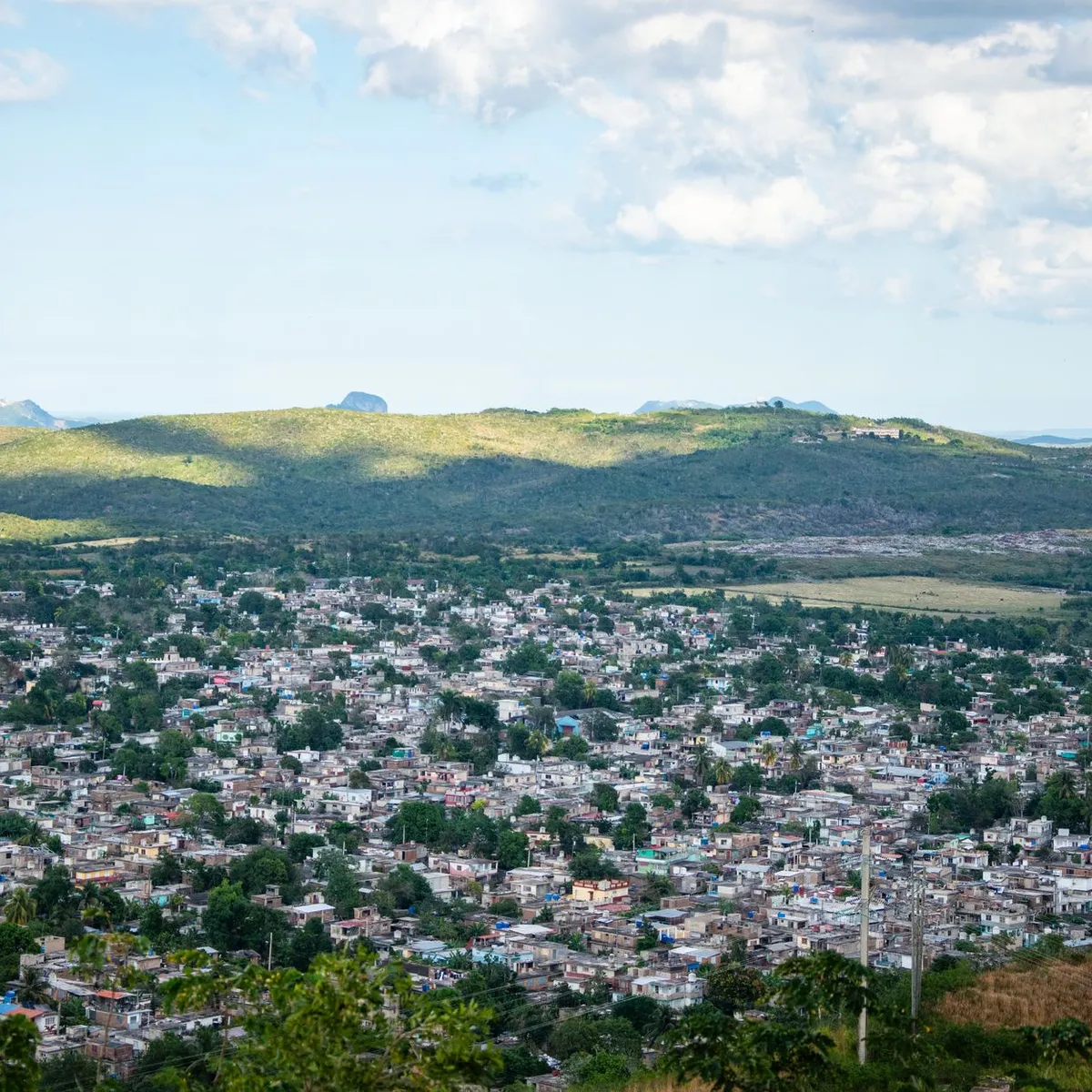
 Photo: Vika Glitter / Pexels
Valledupar
Valledupar accessibility for wheelchair users
Compare Valledupar by accessibility, transport, terrain, healthcare, cost, weather, laws, reviews, and community notes.
Valledupar accessibility scores
Compare Valledupar by accessibility, transport, terrain, healthcare, cost, weather, and laws. General stats use public data and models. Community rows reflect member reviews and votes.
General stats
National benchmarks and estimates — your experience in this city may differ.
Community
Starts from our estimate — thumbs up nudge toward Excellent, down toward Poor. Reviews use 1–5 stars.
These figures combine public statistics, models, and live weather where available. Every city is different — treat this as a guide, and share what you know in the Reviews & Corrections tab.
Profile last updated 7/1/2026.
Valledupar wheelchair accessibility guide
Research Valledupar for wheelchair users and caregivers: getting around, terrain, healthcare, costs, climate, accessible things to do, and practical caveats before booking.
Last updated 7/1/2026At a glance
Valledupar is a Caribbean-inland Colombian city known for vallenato music, the Guatapurí River, and a strong regional identity. It has a moderate cost profile for RollVenture users: monthly living costs from ~$1,905/mo, housing from ~$726/mo, transport from ~$182/mo, medical from ~$129/mo, and home-aid support from ~$431/mo. The tradeoff is accessibility uncertainty: the DB profile shows low terrain and pavement confidence, with very hilly surroundings and many untagged surfaces.
Getting around
Plan for taxis, private cars, or known drivers rather than assuming accessible public transport. The city core can work for short trips if you choose housing near clinics, grocery stores, and shaded routes, but sidewalk continuity and curb cuts should be checked block by block. For river or music-venue outings, confirm the exact drop-off point, surface type, and toilet access before going.
Terrain & mobility
The terrain sample is labelled very hilly, with a large elevation range. Central Valledupar is easier than the foothills, but heat, broken pavement, narrow sidewalks, and drainage edges can still make independent rolling tiring. The pavement profile has low confidence, so the safest method is to verify the exact route from door to transport, from transport to entrance, and from entrance to toilet.
Healthcare & care
The DB profile lists IDRECC - Centro de Rehabilitación, Rosario Pumarejo Lopez, Clínica Valledupar, Clínica Médicos Alta Complejidad del Caribe, and Clínica del Cesar as nearby healthcare leads. This is a useful concentration for a mid-sized city, but call ahead for accessible entry, imaging or specialty availability, appointment timing, and companion policies. Rehabilitation and mobility-equipment needs should be checked before relocating.
Costs & housing
Valledupar’s housing cost estimate is comparatively low, which may help fund transport or care. Still, low-cost housing can have steps, narrow bathrooms, rough thresholds, or no elevator. Prioritize shade, ventilation, backup water, a smooth entrance path, and a bathroom that can handle transfers. If you need regular appointments, pay more to stay close to clinics and paved corridors.
Climate & comfort
Valledupar is hot, sunny, and seasonally rainy. Heat management is central: shaded routes, air conditioning or strong fans, hydration, and midday rest windows matter for wheelchair users and caregivers. Rain can turn unpaved or damaged surfaces into transfer hazards.
Accessible things to do
Historic Valledupar / music culture— Colombia Travel identifies Valledupar with history and culture; use the central area for short, planned outings around plazas and music landmarks, checking curb cuts and shade.
Plaza Alfonso López— A core city landmark often tied to vallenato events; verify paving condition, crowd levels, ramps, and accessible toilets during festivals.
Guatapurí River / Balneario Hurtado area— A signature outdoor stop, but it is likely surface- and season-dependent. Treat it as a scenic drive or short visit unless you can confirm step-free paths and safe transfers.
Centro Comercial Guatapurí / mall outing— The local mall website check failed DNS in this run, so treat it as a local lead rather than a verified accessibility claim; call ahead for elevators, accessible toilets, and parking.
Community & language
Spanish is essential for housing, taxis, clinics, and care. Some English may appear in hotels or tourism contexts, but day-to-day accessibility planning will be much easier with Spanish or a local helper.
Would we recommend it?
Potentially, for users who value Colombian culture, lower costs, and regional healthcare access, and who can handle heat and route-checking. It is not a plug-and-play wheelchair city; success depends on a verified apartment, reliable transport contacts, and conservative outing plans.
These figures combine public statistics, models, and live weather where available. Every city is different — treat this as a guide, and share what you know in the Reviews & Corrections tab.
Profile last updated 7/1/2026.