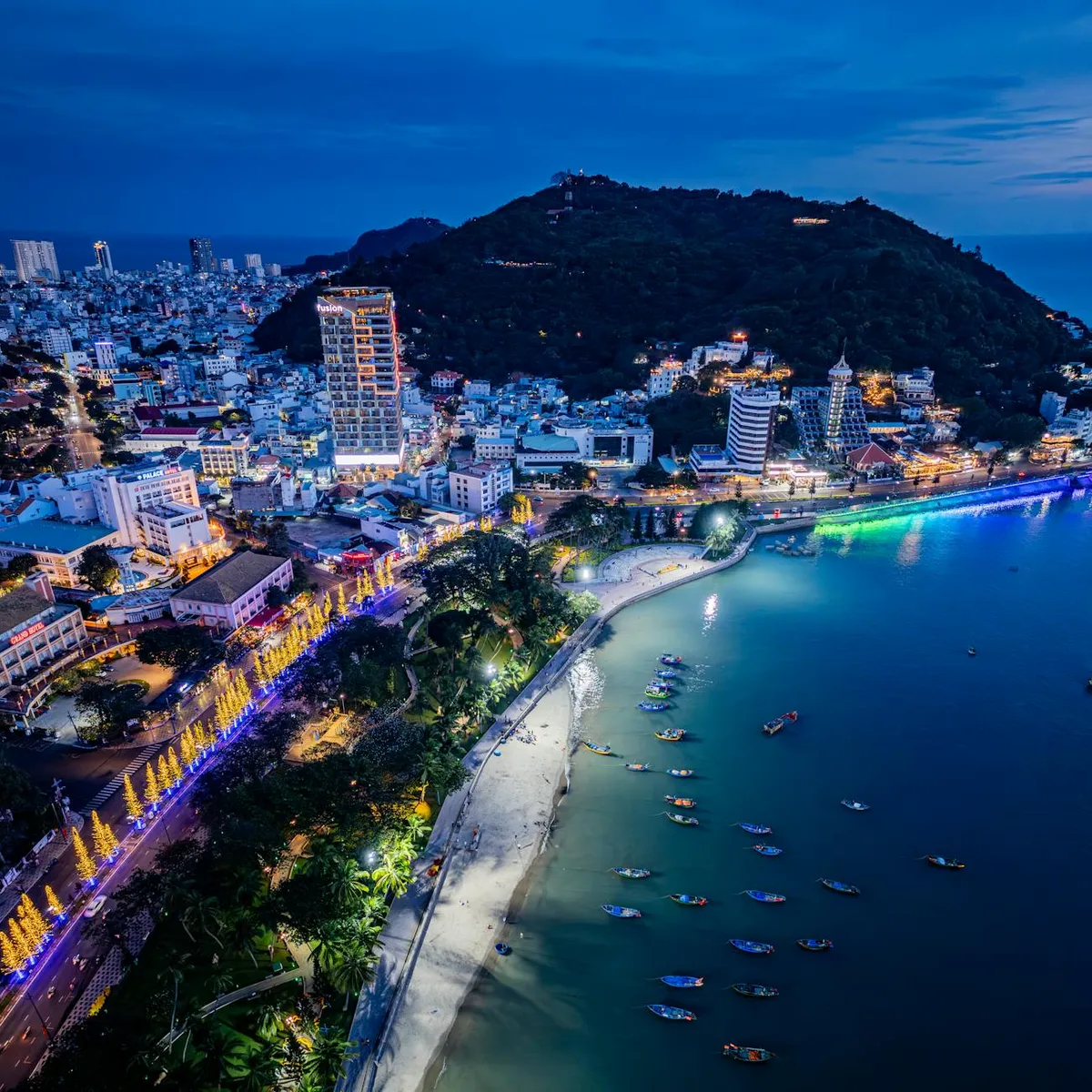
 Photo: VANNGO Ng / Pexels
Vũng Tàu
Vũng Tàu accessibility for wheelchair users
Compare Vũng Tàu by accessibility, transport, terrain, healthcare, cost, weather, laws, reviews, and community notes.
Vũng Tàu accessibility scores
Compare Vũng Tàu by accessibility, transport, terrain, healthcare, cost, weather, and laws. General stats use public data and models. Community rows reflect member reviews and votes.
General stats
National benchmarks and estimates — your experience in this city may differ.
Community
Starts from our estimate — thumbs up nudge toward Excellent, down toward Poor. Reviews use 1–5 stars.
These figures combine public statistics, models, and live weather where available. Every city is different — treat this as a guide, and share what you know in the Reviews & Corrections tab.
Profile last updated 6/30/2026.
Vũng Tàu wheelchair accessibility guide
Research Vũng Tàu for wheelchair users and caregivers: getting around, terrain, healthcare, costs, climate, accessible things to do, and practical caveats before booking.
Last updated 6/30/2026At a glance
Vũng Tàu is an easier live-backfill candidate than many same-score cities because it is compact, mostly flat in the central beach areas, and already documented as a weekend seaside city for Ho Chi Minh City. RollVenture's row shows from ~$1,704/mo overall and strong terrain score, but the access fundamentals are still weak: ramp availability is low, wheelchair transport is limited, and Vietnam's national access enforcement is inconsistent. It is best for travelers who can stay near Back Beach or Front Beach and use taxis rather than buses.
Getting around
Wikivoyage describes Vũng Tàu as small enough to walk many places, with taxis and motorbike taxis common; it also mentions hydrofoil access from Ho Chi Minh City and road options. For wheelchair users, a car transfer is safer than experimenting with bus or ferry boarding without confirmation. If arriving from Ho Chi Minh City, ask the operator and hotel in writing about step-free pier, ramp, luggage, and transfer help.
Terrain & mobility
The live DB terrain sample is encouraging: mostly flat, average elevation near 2 m, and maximum sampled grade around 0.3%. That does not mean the city is wheelchair-ready. OSM pavement confidence is low, and beach towns often have broken curb cuts, sand crossings, street vendors, drainage channels, and scooter parking. The best mobility strategy is a hotel on a paved beach road, short loops, and taxis for hill sights.
Healthcare & care
OpenStreetMap healthcare leads include local ward clinics, Raffles International Health Clinic, and Vietsovpetro Medical Center. Treat these as leads only: check emergency capability, accessible entry, and English-language support before arrival. The cost row estimates medical from ~$120/mo, PT from ~$84/mo, and home aid from ~$381/mo, but actual private care and interpreters can cost more.
Costs & housing
The monthly living estimate starts around ~$1,704/mo, with housing around ~$636/mo. Accessible housing will be the constraint, not raw rent. Ask for elevator backup, room threshold photos, bathroom dimensions, shower-chair options, and a route video from lobby to street. Newer hotels near Back Beach are more likely to have lifts than small family guesthouses.
Climate & comfort
The seaside setting gives breezes, but heat, humidity, sudden rain, and strong sun are daily planning issues. Beach promenades are most comfortable early morning and evening. Storm drains and tiled surfaces can be slippery, so keep a taxi fallback and avoid long rolls in heavy rain.
Accessible things to do
Back Beach promenade— Wikivoyage describes Back Beach as the standard tourism beach with a promenade leading directly to the beach in many places; verify sand access and choose paved sections.
Front Beach Park— a central sunset park by the bay; it is better suited to short paved visits than swimming.
Bạch Dinh / White Palace exterior— verified historic mansion on Big Mountain; use a taxi and treat interiors or upper paths as uncertain.
Robert Taylor Museum of Worldwide Arms— a central indoor museum; call ahead for entrance width, step-free access, and toilet details.
Vũng Tàu Lighthouse viewpoint by car— the lighthouse is a verified landmark, but the hill route and final access are not guaranteed; use it as a drive-and-view outing.
Community & language
English is stronger in hotels and some clinics than in smaller Vietnamese cities, but not universal. Tourism workers are used to weekend visitors; disability-specific requests still need translation, photos, and repetition.
Would we recommend it?
Yes, cautiously. Vũng Tàu has the right geography for a supported wheelchair stay, especially around the beaches, but independent access remains patchy. It is a better fit for a short, car-supported coastal base than for a no-assistance lifestyle test.
These figures combine public statistics, models, and live weather where available. Every city is different — treat this as a guide, and share what you know in the Reviews & Corrections tab.
Profile last updated 6/30/2026.