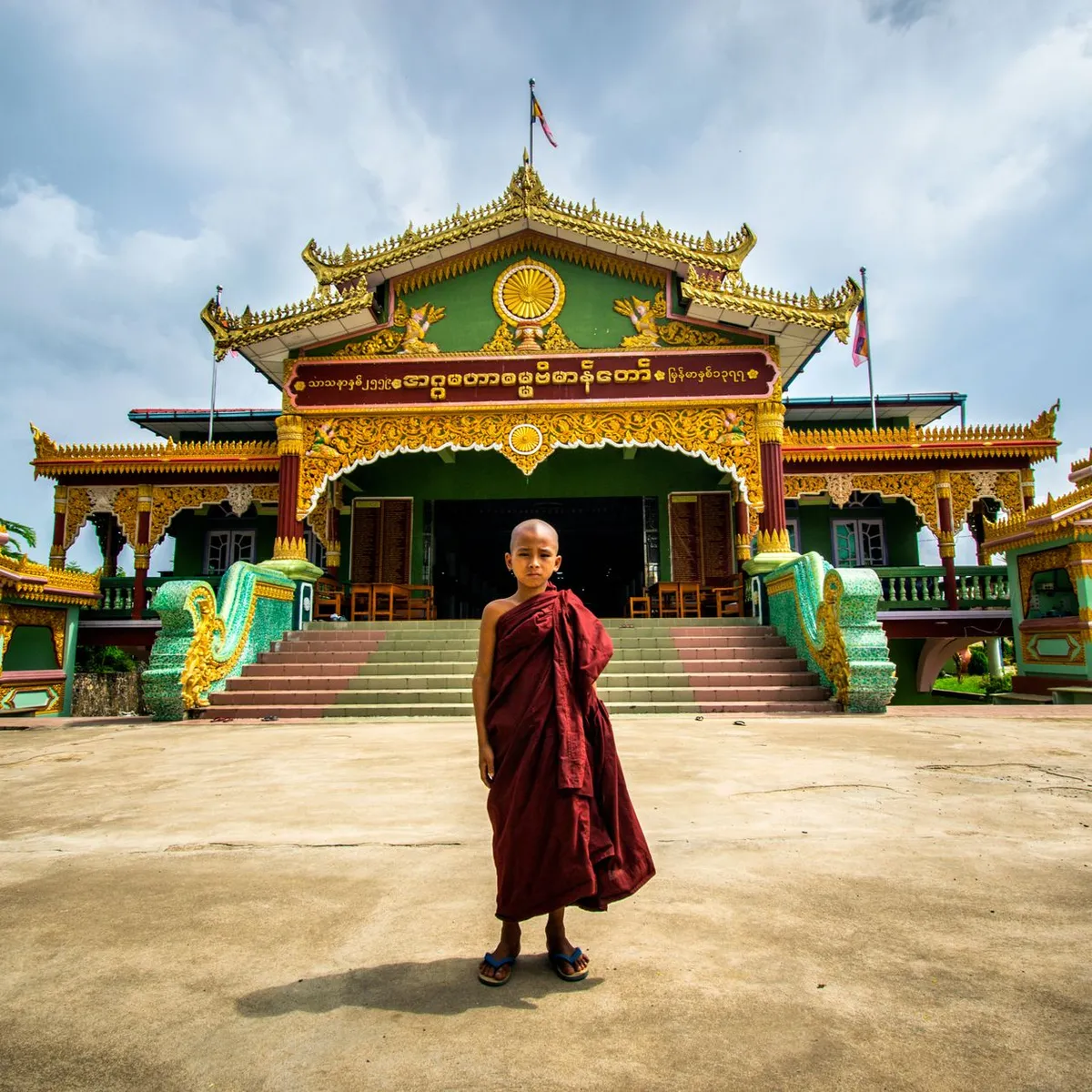
 Photo: Kosygin Leishangthem / Pexels
Yenangyaung
Yenangyaung accessibility for wheelchair users
Compare Yenangyaung by accessibility, transport, terrain, healthcare, cost, weather, laws, reviews, and community notes.
Yenangyaung accessibility scores
Compare Yenangyaung by accessibility, transport, terrain, healthcare, cost, weather, and laws. General stats use public data and models. Community rows reflect member reviews and votes.
General stats
National benchmarks and estimates — your experience in this city may differ.
Community
Starts from our estimate — thumbs up nudge toward Excellent, down toward Poor. Reviews use 1–5 stars.
These figures combine public statistics, models, and live weather where available. Every city is different — treat this as a guide, and share what you know in the Reviews & Corrections tab.
Profile last updated 7/2/2026.
Yenangyaung wheelchair accessibility guide
Research Yenangyaung for wheelchair users and caregivers: getting around, terrain, healthcare, costs, climate, accessible things to do, and practical caveats before booking.
Last updated 7/2/2026At a glance
Yenangyaung is a Magway Region city on the Irrawaddy River, historically associated with Myanmar’s oil fields and older regional administration. For wheelchair users, it should be treated as an adventurous, support-dependent stop rather than a straightforward accessible base. The live RollVenture profile gives it weak accessibility, low ramp confidence, and low pavement confidence. Costs are comparatively low, but that does not solve transport, medical, or surface barriers.
Getting around
Assume private arrangements are necessary. Public transport accessibility should not be relied on, and intercity travel may involve steps, rough stops, and limited staff familiarity with mobility equipment. If you go, arrange a driver through a trusted local contact, keep transfers short, and confirm whether roads to pagodas, river viewpoints, or markets are paved all the way to the entrance.
Terrain & mobility
The terrain sample is hilly, with an elevation range around 172m and sampled grades up to about 2.9%. The bigger limitation is surface confidence: OSM data shows mostly untagged and unpaved ways, with very little good-surface evidence. Manual-chair users may need assistance on uneven shoulders and dusty approaches; power-chair users should think hard about tire durability, charging, and rescue options if a route deteriorates.
Healthcare & care
The OSM-backed healthcare profile lists the town hospital in Burmese plus several district hospital leads outside the center. These are not accessibility guarantees. Verify current function, entrance steps, staff availability, and referral routes before relying on them. Myanmar’s national disability framework exists, but enforcement and service reliability are weak in many places, and current conditions can change quickly.
Costs & housing
DB estimates put monthly living from ~$1,808/mo, housing from ~$632/mo, food from ~$346/mo, and transport from ~$181/mo. The issue is not headline cost; it is finding a room with no steps, enough bathroom space, reliable power, and a host who understands wheelchair needs. Ask for fresh photos or video of the exact room, entrance, toilet, and shower route.
Climate & comfort
Central Myanmar can be hot, dry, and dusty, with intense sun and limited shade. Plan short outings, carry water, and keep medical supplies protected from heat. Monsoon conditions can make unpaved access worse.
Accessible things to do
Yenangyaung market— OSM identifies the town market as an attraction; visit early, expect crowding and uneven edges, and use a local helper.
Pin Pagoda / local pagoda complex— OSM lists pagoda/place-of-worship features near town; verify steps, ramps, shoe-removal logistics, and surface before visiting.
Irrawaddy River viewpoint or riverside drive— Yenangyaung is documented as being on the Irrawaddy; choose vehicle-based viewing unless a local confirms a smooth, step-free approach.
Oil-field heritage context— the city is historically tied to oil production; treat this as a contextual drive or local-history conversation rather than assuming a formal accessible museum.
Community & language
Burmese is the practical language. English support may be limited outside hotels or regional contacts. Write down destination names in Burmese where possible and avoid improvised lifting unless you trust the helpers and equipment.
Would we recommend it?
Usually no for independent wheelchair travel. It may work for someone with a strong reason to visit and dependable local support, but sparse accessibility information, rough surfaces, hilly pockets, and uncertain healthcare make it a high-friction choice.
These figures combine public statistics, models, and live weather where available. Every city is different — treat this as a guide, and share what you know in the Reviews & Corrections tab.
Profile last updated 7/2/2026.
Reviews & corrections
Share your experience or suggest a data correction. Both appear publicly; admin updates official city scores and costs separately.
Log in to write a review or suggest a correction.
No reviews or corrections yet.