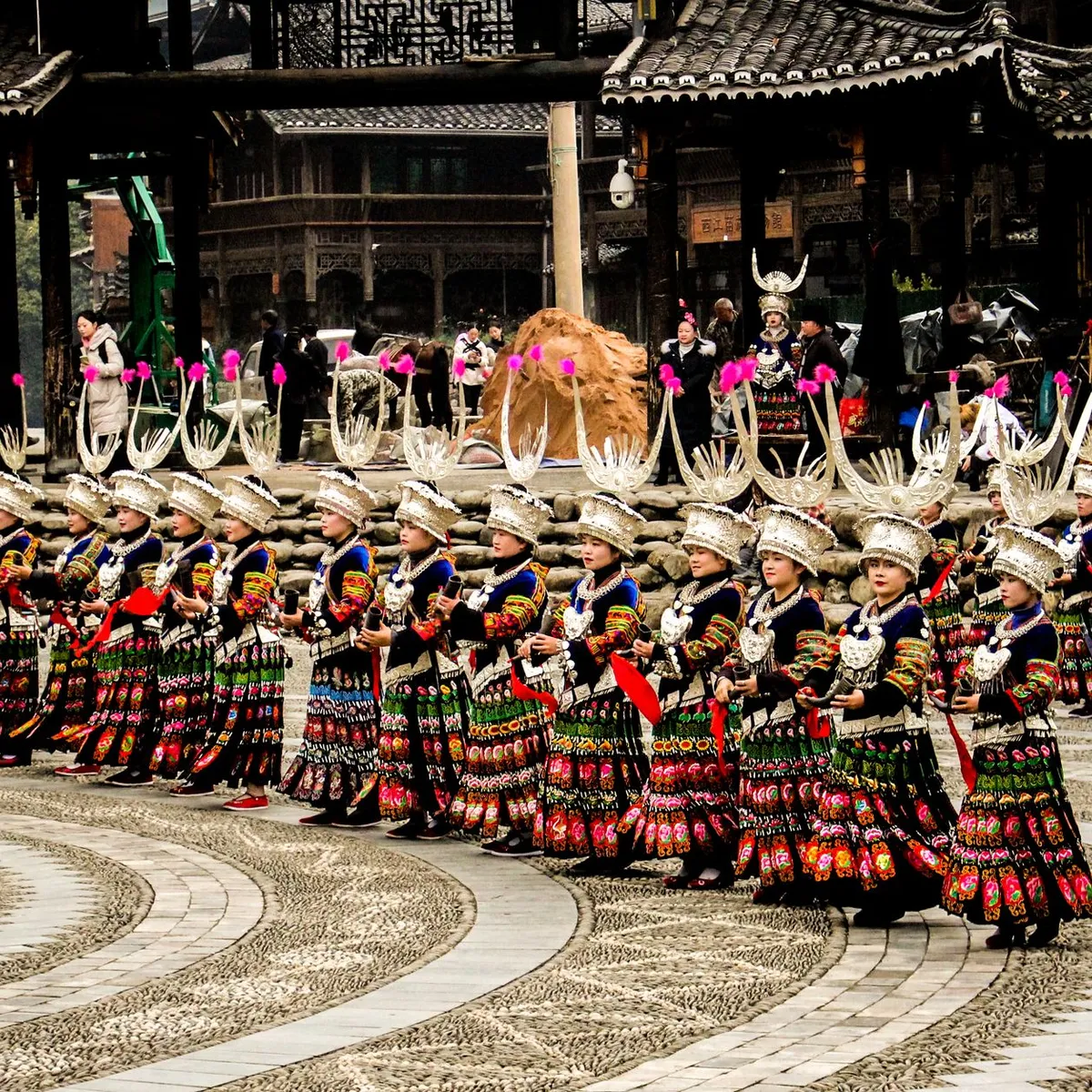
 Photo: Lan Yao / Pexels
Zhabei
Zhabei accessibility for wheelchair users
Compare Zhabei by accessibility, transport, terrain, healthcare, cost, weather, laws, reviews, and community notes.
Zhabei accessibility scores
Compare Zhabei by accessibility, transport, terrain, healthcare, cost, weather, and laws. General stats use public data and models. Community rows reflect member reviews and votes.
General stats
National benchmarks and estimates — your experience in this city may differ.
Community
Starts from our estimate — thumbs up nudge toward Excellent, down toward Poor. Reviews use 1–5 stars.
These figures combine public statistics, models, and live weather where available. Every city is different — treat this as a guide, and share what you know in the Reviews & Corrections tab.
Profile last updated 6/30/2026.
Zhabei wheelchair accessibility guide
Research Zhabei for wheelchair users and caregivers: getting around, terrain, healthcare, costs, climate, accessible things to do, and practical caveats before booking.
Last updated 6/30/2026At a glance
Zhabei is a former Shanghai district, now part of Jing’an District, with Shanghai Railway Station, Daning Lingshi Park, Shanghai Circus World, and dense urban services nearby. Compared with smaller Chinese cities, it has better odds for elevators, hospitals, metro access, and step-free commercial buildings. RollVenture estimates costs from ~$2,274/mo, with housing from ~$810/mo, but Shanghai reality can vary widely by building and neighborhood.
Getting around
This is the strongest mobility base in the batch. Zhabei’s identity is tied to Shanghai Railway Station, and the former district sits inside one of China’s most transit-rich cities. Shanghai Metro and railway facilities are more likely to have elevators and staff procedures than smaller-city systems, but outages, crowding, and long transfers still matter. Use station assistance for rail trips, avoid peak commute hours, and keep a backup taxi route for days when elevators are out.
Terrain & mobility
The DB terrain profile is excellent: mostly flat, average elevation around 12 m, max sampled grade around 0.5%, and 100% flat samples. Pavement data is still low confidence, but the sample includes more tagged good surfaces than most rows in this batch. The main barriers are not hills; they are crowds, construction detours, old residential entrances, scooter parking, tactile paving interruptions, and occasional curb lips.
Healthcare & care
The DB healthcare profile lists several medical leads in and around the district, including Shanghai Aier Eye Hospital, Shanghai Huajia Hospital, clinics, and other hospital-tagged facilities. Because Shanghai has a deep hospital ecosystem, this is a better city for arranging specialist care than the other selected rows. Still, verify the exact hospital campus, entrance, elevator, accessible restroom, and registration process before relying on it.
Costs & housing
The DB baseline says from ~$2,274/mo, with food around $423, transport around $221, medical around $154, and home-aid assumptions around $558. In practice, accessible Shanghai housing can cost more if you need a modern elevator building near metro and hospitals. Ask for video proof of the building entrance, lift dimensions, bathroom, shower, and the route from compound gate to unit. Older lane housing should usually be avoided by wheelchair users.
Climate & comfort
Shanghai is humid, with wet early summer and hot July-August conditions. DB data shows heavy rain in June and warm, humid summers. Good air-conditioning, drainage, and covered building entrances are important. Winters are not extreme, but damp cold can feel sharper indoors than the temperature suggests.
Accessible things to do
Daning Lingshi Park— The former district’s major green space; likely the best low-stress outdoor option, but verify accessible toilets and entrances.
Shanghai Circus World— A major cultural venue in the area; contact the box office for wheelchair seating and elevator routes.
Shanghai Railway Station area— Not a leisure site for everyone, but useful for transit practice, services, food, and onward rail access; avoid rush hour.
Zhabei Stadium / Daning cultural area— Nearby cultural-sports facilities can be practical short outings if event access is confirmed.
Community & language
Shanghai has more English support than most Chinese cities, especially in hospitals, hotels, and larger venues, but Mandarin remains essential for taxis, housing, and local clinics. Expat disability information may be findable locally, but verify current conditions rather than relying on old forum posts.
Would we recommend it?
Yes, with Shanghai-level budget caution. Zhabei’s flat terrain, central location, transit, and medical depth make it one of the more promising wheelchair-user bases in this batch, as long as housing is verified and peak-hour crowding is managed.
These figures combine public statistics, models, and live weather where available. Every city is different — treat this as a guide, and share what you know in the Reviews & Corrections tab.
Profile last updated 6/30/2026.