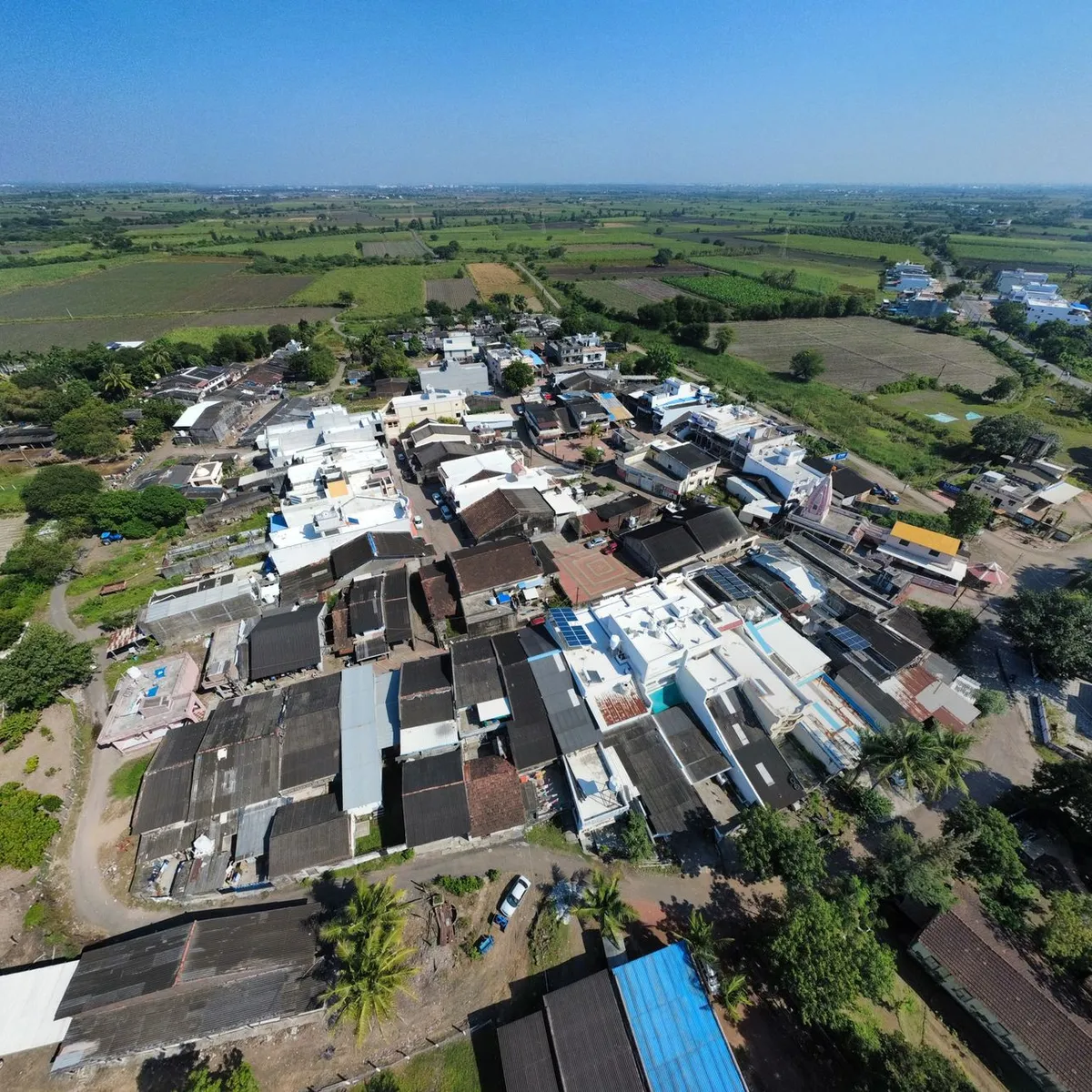
 Photo: Man patel / Pexels
Ahmadnagar
Ahmadnagar accessibility for wheelchair users
Compare Ahmadnagar by accessibility, transport, terrain, healthcare, cost, weather, laws, reviews, and community notes.
Ahmadnagar accessibility scores
Compare Ahmadnagar by accessibility, transport, terrain, healthcare, cost, weather, and laws. General stats use public data and models. Community rows reflect member reviews and votes.
General stats
National benchmarks and estimates — your experience in this city may differ.
Community
Starts from our estimate — thumbs up nudge toward Excellent, down toward Poor. Reviews use 1–5 stars.
These figures combine public statistics, models, and live weather where available. Every city is different — treat this as a guide, and share what you know in the Reviews & Corrections tab.
Profile last updated 7/1/2026.
Ahmadnagar wheelchair accessibility guide
Research Ahmadnagar for wheelchair users and caregivers: getting around, terrain, healthcare, costs, climate, accessible things to do, and practical caveats before booking.
Last updated 7/1/2026At a glance
Ahmadnagar, also known officially in some contexts as Ahilyanagar, is a mid-sized city in Maharashtra with forts, military history, pilgrimage links, and a practical location between Pune, Nashik, and Aurangabad/Chhatrapati Sambhajinagar. Wheelchair travel here is possible but requires conservative planning. RollVenture's profile suggests hilly surroundings and very low pavement confidence, so the city should be treated as an assisted destination rather than a place to freestyle on sidewalks. The upside is cost: the stored monthly estimate is from ~$1,423/mo, with housing from ~$531/mo.
Getting around
Ahmednagar is connected by rail and road, but wheelchair-accessible public transport should not be assumed. Pre-book a car with a patient driver, confirm luggage space for mobility gear, and plan point-to-point trips. Railway travel may require advance assistance and platform verification. For local movement, autorickshaws are usually impractical for many wheelchair users, so rely on private cars and short, pre-checked rolls at each site.
Terrain & mobility
The terrain sample labels the area hilly, with an elevation range around 255 m, even though many central streets are not steep block by block. The bigger issue is surface quality: OSM pavement data is low-confidence and mostly untagged, which usually means you should expect missing curb cuts, broken edges, and mixed road-sharing. Manual-chair users may need pushing assistance at ramps and market approaches. Power-chair users should avoid routes that force long detours in traffic.
Healthcare & care
Useful medical anchors from OpenStreetMap include Deshpande Hospital, Patil Hospital, Swasthya Hospital Medical Research Center, and Anand Rishiji Hospital and Medical Research Centre. Treat these as leads only: call to confirm emergency access, lift availability, accessible toilets, and whether staff can help with transfers. For longer stays, line up medication supply and physiotherapy contacts before arrival, because accessible transport to appointments can be the limiting factor.
Costs & housing
The city is comparatively affordable, but accessible housing will be scarce. Ask hosts for ground-floor access or working lifts, bathroom doorway width, grab bars or space for portable rails, shower threshold height, and backup power. A cheaper place outside the center may cost more in daily transport and fatigue, so prioritize location near hospitals, pharmacies, and main roads.
Climate & comfort
Ahmednagar has hot pre-monsoon months and a wet monsoon season. Heat management matters for skin, cushions, batteries, and medication storage. During monsoon, potholes, mud, and waterlogged curb ramps can quickly turn a short roll into a difficult transfer day. Build rest days into the plan.
Accessible things to do
Ahmednagar Fort— A major historic landmark associated with the Nizam Shahi period and later Indian history. Access can involve old stone surfaces and steps, so verify current entry conditions and consider exterior viewing if needed.
Cavalry Tank Museum— A known military-history stop in the city. It may work best as a slow visit with a helper; confirm surface conditions and toilet access.
Ahmednagar railway station area— Useful for orientation and local history, but treat it as a transit/architecture stop, not a guaranteed accessible attraction.
Farah Bagh area— A heritage lead often linked with Ahmadnagar's history. Verify safe approach roads and whether the visit is worthwhile from a vehicle or short roll.
Community & language
Marathi is primary, with Hindi widely useful and some English in hospitals, hotels, and education settings. A local contact can make a big difference for access calls and driver coordination.
Would we recommend it?
Yes, but only with support. Ahmadnagar is affordable and has real historical interest, yet weak sidewalk data and uncertain venue access make it better for travelers who can pre-arrange transport and tolerate assisted transfers.
These figures combine public statistics, models, and live weather where available. Every city is different — treat this as a guide, and share what you know in the Reviews & Corrections tab.
Profile last updated 7/1/2026.