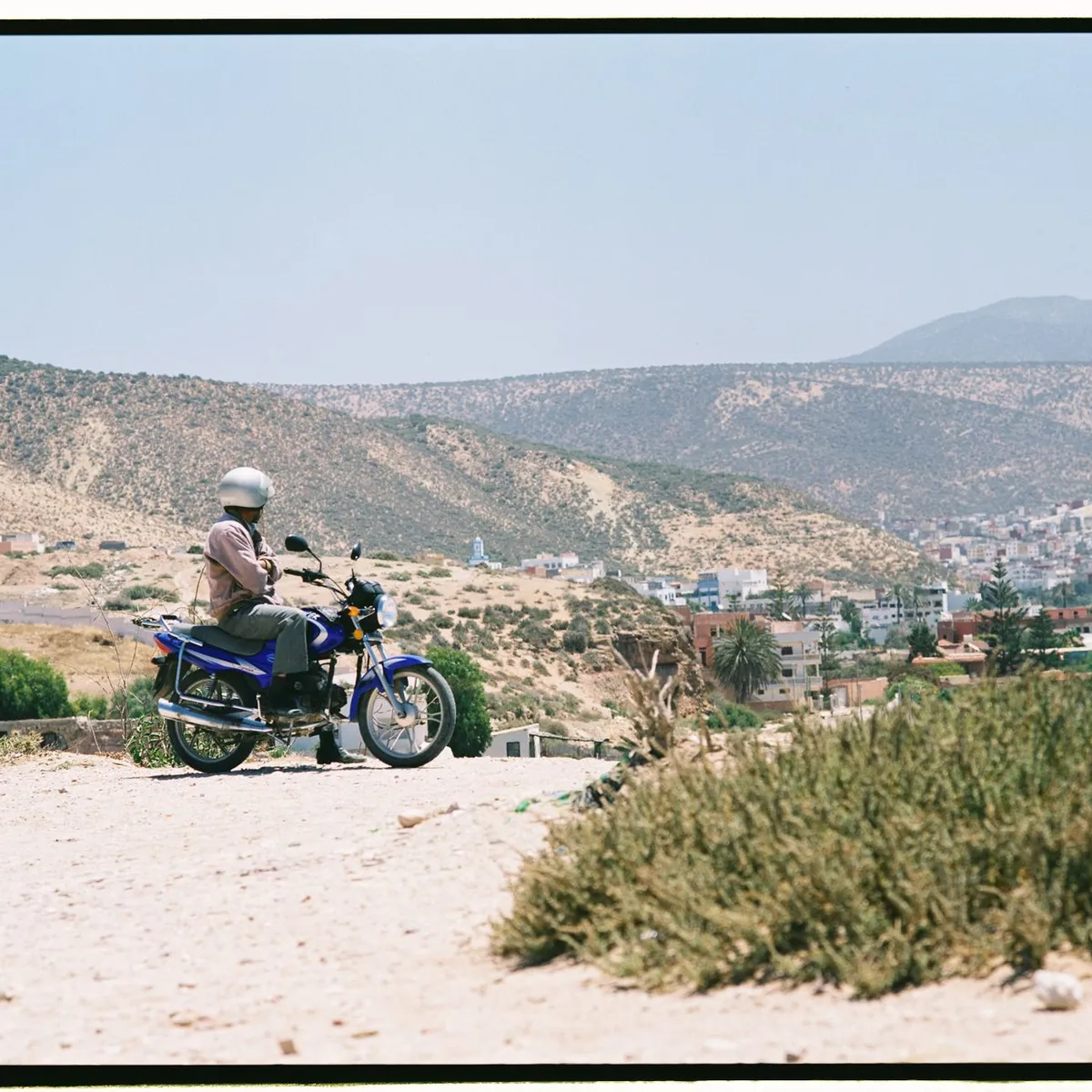
 Photo: Nikita Igonkin / Pexels
Aïn Beïda
Aïn Beïda accessibility for wheelchair users
Compare Aïn Beïda by accessibility, transport, terrain, healthcare, cost, weather, laws, reviews, and community notes.
Aïn Beïda accessibility scores
Compare Aïn Beïda by accessibility, transport, terrain, healthcare, cost, weather, and laws. General stats use public data and models. Community rows reflect member reviews and votes.
General stats
National benchmarks and estimates — your experience in this city may differ.
Community
Starts from our estimate — thumbs up nudge toward Excellent, down toward Poor. Reviews use 1–5 stars.
These figures combine public statistics, models, and live weather where available. Every city is different — treat this as a guide, and share what you know in the Reviews & Corrections tab.
Profile last updated 7/1/2026.
Aïn Beïda wheelchair accessibility guide
Research Aïn Beïda for wheelchair users and caregivers: getting around, terrain, healthcare, costs, climate, accessible things to do, and practical caveats before booking.
Last updated 7/1/2026At a glance
Aïn Beïda in Oum El Bouaghi Province is a sizeable high-plateau Algerian city. Wikipedia identifies it as a commune and city in Oum El Bouaghi Province, with elevation around 1,020 m and a 2008 population above 116,000. The RollVenture row is affordable but accessibility-limited: modeled living costs from ~$2,267/mo and housing from ~$1,177/mo, with low ramp and wheelchair-transport scores. It is best approached as a practical local base, not as an access-polished tourism city.
Getting around
Private taxis or a known driver are the realistic default. Do not assume step-free buses, accessible taxi fleets, or station assistance. Because hospitals and shops appear close to the centre in the OSM profile, the best setup is to stay near the services you need and reduce transfer count. Confirm whether sidewalks are blocked by parked cars or market spillover before relying on short mapped distances.
Terrain & mobility
The DB terrain profile labels the city hilly, with average elevation near 976 m and sampled grades up to about 3.6%. That is manageable in short sections but tiring with rough paving. Pavement confidence is low and dominant surfaces include untagged, asphalt, and ground. A power-assist, helper, or car-first plan will make the city much easier than trying to push independently across districts.
Healthcare & care
OSM healthcare leads include a maternity hospital, an old hospital, and several clinics within roughly 0.2-0.6 km of the centre. These are useful location leads but not accessibility guarantees. Confirm entrance steps, lifts, current departments, and whether appointments or emergency intake are available. French may help for medical communication; bring written medication names.
Costs & housing
Costs are moderate in the database model, but accessible housing may be scarce. Ask specifically about steps at the building entrance, bathroom thresholds, shower type, elevator reliability, and whether narrow internal doors block wheelchair movement. Budget extra for a driver and for changing lodging if the first option is not actually accessible.
Climate & comfort
The high elevation means colder winters and stronger temperature swings than coastal Algeria. Plan for cold mornings, hot sun in exposed streets, and possible winter discomfort in poorly heated housing. Check indoor heating and bathroom hot water, not just rent.
Accessible things to do
Central Aïn Beïda street loop— A compact orientation route for cafés, pharmacies, and services; verify slopes and curb cuts block by block.
Aïn Beïda market streets— Useful for daily shopping and people-watching, but crowding and uneven pavement make a companion sensible.
Oum El Bouaghi regional outing— The province seat can be reached by road; treat it as a planned car trip with bathroom and return timing checked in advance.
Historic city core references— Wikipedia notes local history and commune status; use central streets as low-key cultural orientation rather than expecting museum-style access.
Community & language
Arabic is primary and French is useful. English may be limited. Algeria's legal accessibility framework does not guarantee consistent step-free access in older or informal buildings, so local verification matters more than broad national rules.
Would we recommend it?
Maybe, for travelers with local ties or a specific reason to be in eastern Algeria. The city has services and manageable costs, but hills, uncertain sidewalks, and weak transport keep it from being broadly wheelchair-friendly.
These figures combine public statistics, models, and live weather where available. Every city is different — treat this as a guide, and share what you know in the Reviews & Corrections tab.
Profile last updated 7/1/2026.