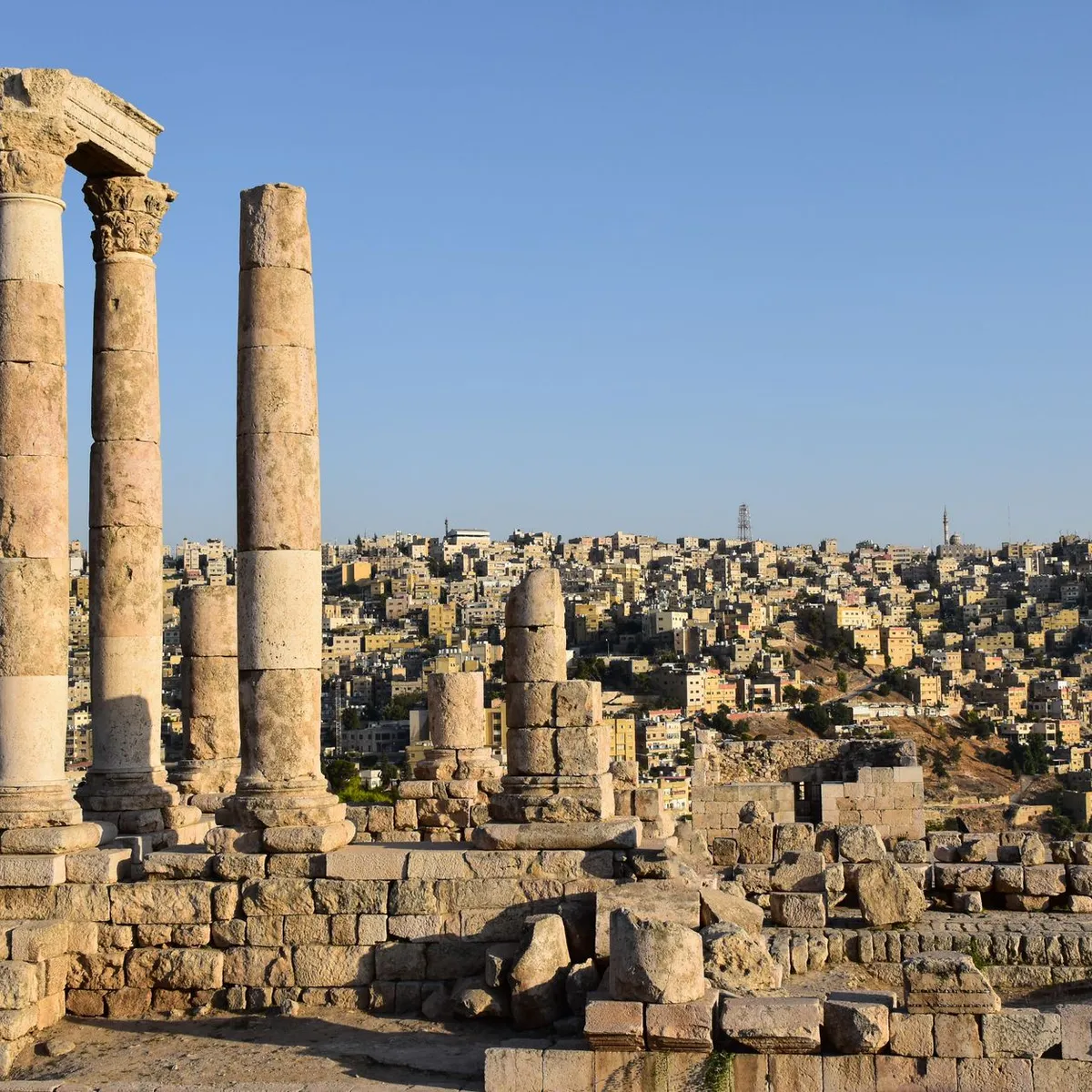
 Photo: AXP Photography / Pexels
‘Ajlūn
‘Ajlūn accessibility for wheelchair users
Compare ‘Ajlūn by accessibility, transport, terrain, healthcare, cost, weather, laws, reviews, and community notes.
‘Ajlūn accessibility scores
Compare ‘Ajlūn by accessibility, transport, terrain, healthcare, cost, weather, and laws. General stats use public data and models. Community rows reflect member reviews and votes.
General stats
National benchmarks and estimates — your experience in this city may differ.
Community
Starts from our estimate — thumbs up nudge toward Excellent, down toward Poor. Reviews use 1–5 stars.
These figures combine public statistics, models, and live weather where available. Every city is different — treat this as a guide, and share what you know in the Reviews & Corrections tab.
Profile last updated 7/1/2026.
‘Ajlūn wheelchair accessibility guide
Research ‘Ajlūn for wheelchair users and caregivers: getting around, terrain, healthcare, costs, climate, accessible things to do, and practical caveats before booking.
Last updated 7/1/2026At a glance
‘Ajlūn is beautiful but demanding: a hilly northern Jordan town known for Ajloun Castle, forested highlands, and cooler mountain air. It can be rewarding for travelers who can use a private vehicle and are comfortable with partial-access visits, but it is not an easy roll-around city. The DB terrain profile marks it as very hilly, with large elevation change, and local pavement data is low-confidence. Treat Ajloun as a base for scenic drives and carefully chosen stops rather than a place where independent wheelchair movement will be simple.
Getting around
Use a driver or accessible van from Amman, Irbid, or Jerash if possible. Public transport and shared taxis are not reliably step-free, and the town's hills make spontaneous wandering hard. Build extra time into every visit because drop-off points, parking slopes, and castle approaches may decide whether a stop is realistic. If you are traveling with a manual chair, bring a strong companion or arrange local assistance before arrival. Wheelchair transport scores are moderate in the DB, but that should not be read as a guarantee of accessible vehicles.
Terrain & mobility
This is the core challenge. OpenTopoData sampling shows very hilly terrain, a maximum sampled grade above 10%, and more than 1,000 m of elevation range in the wider sampled area. The old center, castle approaches, and village roads can combine slopes, uneven stone, narrow shoulders, and limited curb cuts. A power chair with good batteries or a vehicle-to-door strategy is strongly preferred. Avoid planning a full day of rolling between sites; choose one or two reachable stops and confirm surface details.
Healthcare & care
The DB healthcare profile lists OSM health-center leads in the surrounding Ajloun area, including centers around Ajloun, Abeen, Arjan, and Rasoun. These are rural/regional leads only, not confirmed accessible facilities. For complex needs, plan around larger hospitals in Irbid or Amman and keep a transport plan ready. DB cost fields estimate medical costs from ~$156/mo and home aid from ~$612/mo, but short-stay care support should be arranged through a hotel, tour operator, or Jordan-based contact before travel.
Costs & housing
The DB estimate is from ~$2,345/mo overall, with housing from ~$775/mo. Cost is not the main barrier; step-free housing is. Ask for exact photos of the entrance slope, room threshold, bathroom, shower, toilet grab-bar options, elevator if multi-floor, and the road from parking to door. Mountain guesthouses can be scenic but may have steps, gravel, or steep ramps that look manageable in photos but are too steep in practice.
Climate & comfort
Ajloun is cooler and wetter than Jordan's desert destinations. DB climate data shows cool winters with rain and occasional snow days, and dry warm summers. Winter moisture can make stone and slopes slippery; summer is more comfortable but still exposed at castle viewpoints. If visiting in shoulder season, pack layers and plan shorter outdoor stops.
Accessible things to do
Ajloun Castle— the 12th-century hilltop castle is the signature site, but its historic stone setting and slopes mean many wheelchair users should treat it as a partial-access or viewpoint visit unless current staff confirm an accessible route.
Ajloun Forest Reserve— the reserve is known for wooded hills and trails; verify trail gradients and surfaces directly, as nature paths are unlikely to be fully wheelchair-accessible without assistance.
Scenic ridge viewpoints— private-driver viewpoints around Ajloun can be the most realistic way to experience the landscape from firm pull-offs without committing to steep walking routes.
Nearby Jerash as a paired trip— if staying in the region, Jerash's archaeological site may be paired by vehicle, but ancient paving still requires careful route checking and assistance.
Community & language
Arabic is the working language, with English more likely in tourism settings than in small clinics or shops. Ask hotels or operators to write Arabic instructions for step-free drop-offs, no-stairs rooms, and medical needs. Local hospitality is a strength, but accessibility details need direct confirmation.
Would we recommend it?
Only with caveats. Ajloun is worthwhile for scenery, castle history, and a cooler Jordan experience, but the hills and uncertain step-free infrastructure make it best for travelers with private transport, assistance, and flexible expectations.
These figures combine public statistics, models, and live weather where available. Every city is different — treat this as a guide, and share what you know in the Reviews & Corrections tab.
Profile last updated 7/1/2026.