 Photo: khaled damlakhi / Pexels
Dar‘ā
Dar‘ā accessibility for wheelchair users
Compare Dar‘ā by accessibility, transport, terrain, healthcare, cost, weather, laws, reviews, and community notes.
Dar‘ā accessibility scores
Compare Dar‘ā by accessibility, transport, terrain, healthcare, cost, weather, and laws. General stats use public data and models. Community rows reflect member reviews and votes.
General stats
National benchmarks and estimates — your experience in this city may differ.
Community
Starts from our estimate — thumbs up nudge toward Excellent, down toward Poor. Reviews use 1–5 stars.
These figures combine public statistics, models, and live weather where available. Every city is different — treat this as a guide, and share what you know in the Reviews & Corrections tab.
Profile last updated 7/1/2026.
Dar‘ā wheelchair accessibility guide
Research Dar‘ā for wheelchair users and caregivers: getting around, terrain, healthcare, costs, climate, accessible things to do, and practical caveats before booking.
Last updated 7/1/2026At a glance
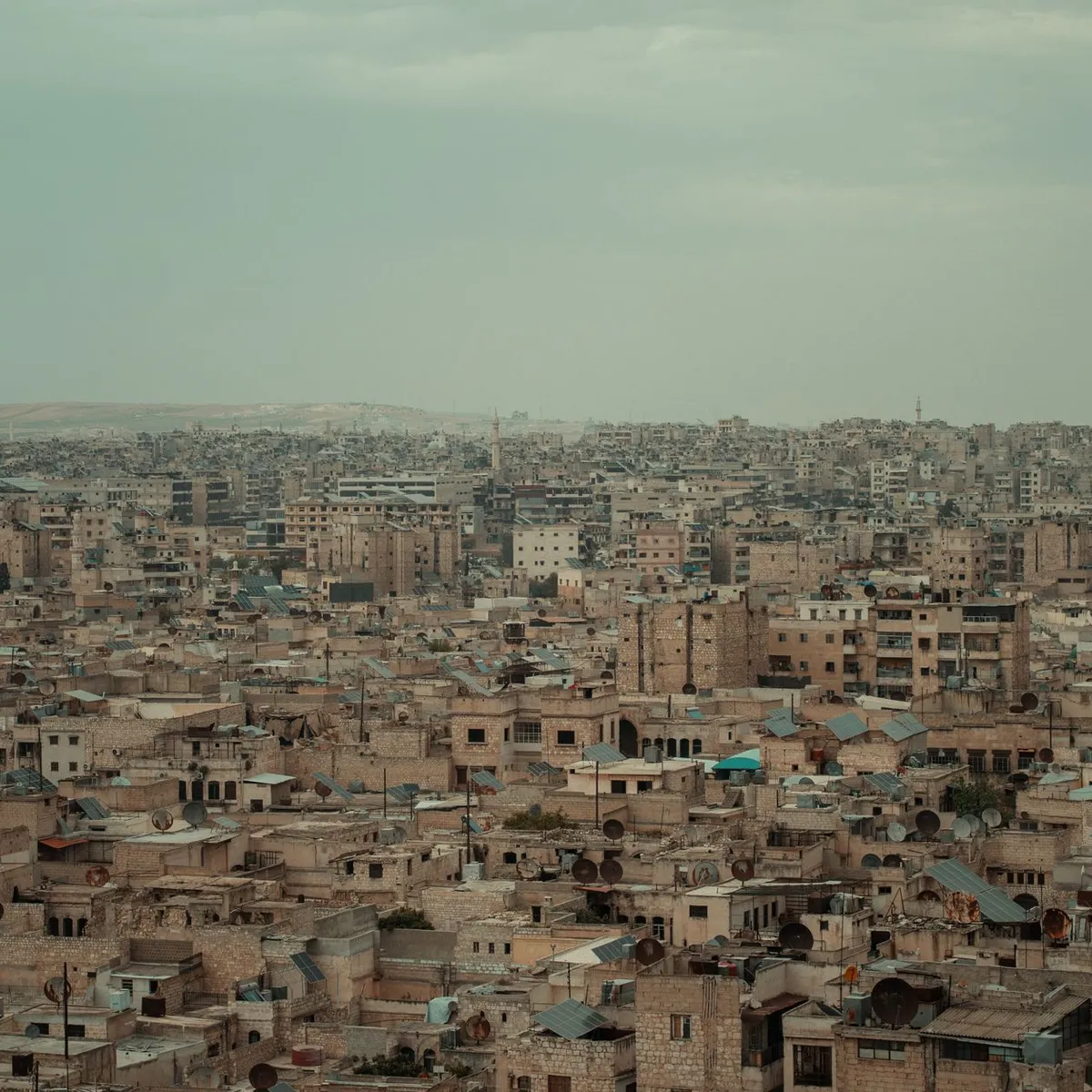
Dar‘ā, commonly written Daraa, is a southern Syrian city near the Jordanian border with deep ancient and modern history. The stored profile suggests moderate terrain and several nearby hospital leads, but the city has been heavily affected by conflict, so current safety, services, and accessibility cannot be assumed. Wheelchair users should treat any stay as a locally supported essential trip, not a casual city break. The main decision points are security, medical reliability, housing access, and whether a trusted driver can manage every transfer.
Getting around
Accessible public transport should not be expected. Plan around private vehicles, short verified routes, and day-by-day security checks. Border proximity can be useful for some logistics, but it can also mean changing control points and travel delays. Do not schedule tight medical or transport connections without a backup vehicle and local phone support.
Terrain & mobility
The terrain data is better than many Levant hill towns: hilly but not mountainous, with low sampled grades in the centre. The pavement data is the weak point, with low confidence and mostly untagged or unpaved surfaces. Expect broken sidewalks, missing curb ramps, dust, rubble patches, and entrances with steps. A manual-chair user will likely need pushing help in older or damaged streets; a power-chair user should plan charging and recovery options.
Healthcare & care
OSM healthcare leads include Daraa National Hospital, Al-Sharq Hospital, and nearby cross-border or regional facilities around Ramtha and the Jordanian side. These are only map leads. Verify current operating status, emergency capability, entrance access, elevator availability, and whether referral across the border is realistic for your passport, permissions, and medical situation. Bring medication reserves and translated medical notes.
Costs & housing
The row lists costs from ~$3,273/mo and housing from ~$1,669/mo, but conflict-context housing is about reliability, security, and access more than price. Confirm step-free entry, bathroom transfer room, generator or battery backup, water storage, and whether a vehicle can stop directly outside without blocking traffic or drawing attention.
Climate & comfort
Daraa has hot dry summers and cool winters. Dust, heat, and intermittent utilities can complicate skin care, respiratory comfort, and charging. Build rest time into outings and avoid the hottest part of the day.
Accessible things to do
Daraa city centre— practical for orientation and daily needs only with local assistance and current surface checks.
Omari Mosque area— historically important, but access and safety should be verified locally; treat it mainly as an exterior/context stop unless entry is confirmed.
Old Daraa streets— culturally significant but likely uneven; best approached by vehicle and very short rolls.
Bosra day trip— the Roman theatre and ancient city are the major regional heritage draw, but stone surfaces and steps make it a guided, assisted outing, not a guaranteed accessible site.
Community & language
Arabic is essential. Travelers should have a trusted local host, driver, and medical contact. English-language tourist infrastructure is limited and current conditions can change fast.
Would we recommend it?
Not for general accessible tourism now. Daraa may be necessary for family, work, aid, or regional reasons, but wheelchair users should only go with strong local support and current safety verification.
These figures combine public statistics, models, and live weather where available. Every city is different — treat this as a guide, and share what you know in the Reviews & Corrections tab.
Profile last updated 7/1/2026.