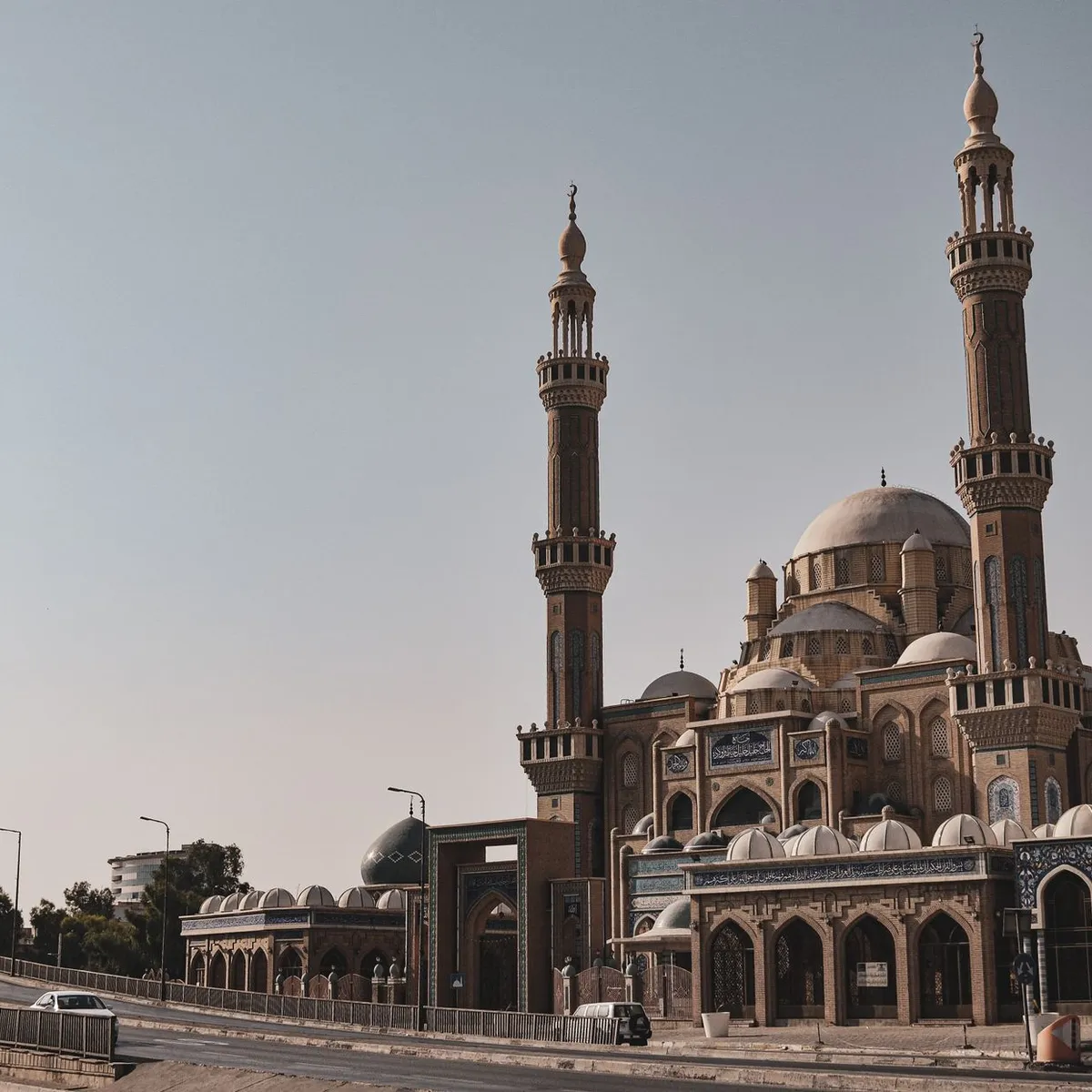
 Photo: Hisham Yahya / Pexels
Al Fallūjah
Al Fallūjah accessibility for wheelchair users
Compare Al Fallūjah by accessibility, transport, terrain, healthcare, cost, weather, laws, reviews, and community notes.
Al Fallūjah accessibility scores
Compare Al Fallūjah by accessibility, transport, terrain, healthcare, cost, weather, and laws. General stats use public data and models. Community rows reflect member reviews and votes.
General stats
National benchmarks and estimates — your experience in this city may differ.
Community
Starts from our estimate — thumbs up nudge toward Excellent, down toward Poor. Reviews use 1–5 stars.
These figures combine public statistics, models, and live weather where available. Every city is different — treat this as a guide, and share what you know in the Reviews & Corrections tab.
Profile last updated 7/2/2026.
Al Fallūjah wheelchair accessibility guide
Research Al Fallūjah for wheelchair users and caregivers: getting around, terrain, healthcare, costs, climate, accessible things to do, and practical caveats before booking.
Last updated 7/2/2026At a glance
Al Fallūjah is a large Euphrates River city in Iraq's Anbar Governorate. For wheelchair users or travelers arranging care, the practical upside is the mostly flat terrain: the DB terrain profile shows low grades and an average elevation around 45 m. The trade-off is reliability. Public accessibility information is thin, OSM pavement tagging is sparse, and many routes still need local confirmation. Treat Fallūjah as a city for essential travel or family/community stays rather than an easy independent leisure base.
Getting around
Plan around private vehicles, taxis, or a trusted local driver rather than assuming accessible public transport. Main roads and bridges are more likely to be usable than side streets, but curb cuts, pavement quality, and temporary security or construction changes should be checked the same day. If arriving from Baghdad or Ramadi, arrange door-to-door pickup and confirm whether the vehicle can carry a folding chair, transfer board, or mobility scooter.
Terrain & mobility
The natural terrain is favorable: the city is mostly flat, and the Euphrates corridor can reduce steep-transfer problems. The harder issues are urban surfaces, untagged sidewalks, curb heights, drainage breaks, and inconsistent ramps. Keep daily routes short, test one route before relying on it at night, and avoid assuming that a paved street means a wheelchair-friendly pedestrian path.
Healthcare & care
OSM-based healthcare leads include Fallujah Teaching Hospital, Al Fallujah Hospital, Dr Talib al-Janabi Hospital, and local health centers. These are leads, not accessibility guarantees. Confirm current services, entrance ramps, lift availability, and emergency procedures by phone or through a local contact before travel. For longer stays, identify a backup hospital in Ramadi or Baghdad and arrange medication supply in advance.
Costs & housing
The DB cost estimate is from ~$3,159/mo, with housing around ~$1,615/mo. Use those as broad planning numbers, not quotes. Accessible housing should be checked in person or by video: ask for step-free entrance video, bathroom door width, shower threshold, elevator reliability, generator coverage, and whether the building has a backup water supply.
Climate & comfort
Summers are very hot and dry. Heat management matters: prioritize air-conditioning reliability, shaded pickup points, water access, and early-morning errands. Dust and heat can make long outdoor transfers tiring, so build recovery time into appointments.
Accessible things to do
Fallujah Barrage / Euphrates bridge views— Wikipedia identifies the barrage, bridges, and Euphrates setting as defining city landmarks. Treat this as a vehicle-based or short-stop outing unless a local contact confirms safe pedestrian surfaces.
Euphrates riverside areas— The flat river corridor may be easier than older inner streets, but surface continuity and curb cuts should be verified locally before planning a roll.
Central mosque exteriors and neighborhood cafés— Mosque areas and cafés can be culturally meaningful stops, but entrances may include steps, mats, thresholds, or crowded approaches. Ask ahead and choose newer venues on main roads.
Local market streets near main roads— Useful for everyday life and short social outings. Go with assistance, avoid peak congestion, and treat ramps/sidewalks as inconsistent.
Community & language
Arabic is the working language. English support should not be assumed outside hotels, hospitals, or educated local contacts. A trusted local fixer makes a major difference for transport, medical appointments, and verifying entrances.
Would we recommend it?
Only with strong local support. Fallūjah has flat terrain and recognizable landmarks, but weak public accessibility data, uncertain surfaces, and security/logistics complexity make it a poor fit for first-time independent wheelchair travel.
These figures combine public statistics, models, and live weather where available. Every city is different — treat this as a guide, and share what you know in the Reviews & Corrections tab.
Profile last updated 7/2/2026.