 Photo: Thais Cordeiro / Pexels
As Suwayq
As Suwayq accessibility for wheelchair users
Compare As Suwayq by accessibility, transport, terrain, healthcare, cost, weather, laws, reviews, and community notes.
As Suwayq accessibility scores
Compare As Suwayq by accessibility, transport, terrain, healthcare, cost, weather, and laws. General stats use public data and models. Community rows reflect member reviews and votes.
General stats
National benchmarks and estimates — your experience in this city may differ.
Community
Starts from our estimate — thumbs up nudge toward Excellent, down toward Poor. Reviews use 1–5 stars.
These figures combine public statistics, models, and live weather where available. Every city is different — treat this as a guide, and share what you know in the Reviews & Corrections tab.
Profile last updated 6/30/2026.
As Suwayq wheelchair accessibility guide
Research As Suwayq for wheelchair users and caregivers: getting around, terrain, healthcare, costs, climate, accessible things to do, and practical caveats before booking.
Last updated 6/30/2026At a glance
As Suwayq is a coastal Wilayat town in Oman's Al Batinah region. It is flatter and calmer than mountain towns, but it has sparse published accessibility information, so wheelchair users need conservative planning. RollVenture's model estimates monthly living from ~$2,579/mo and housing from ~$1,009/mo, with moderate accessibility inputs and a mostly flat terrain profile. The strongest case for As Suwayq is a quiet coastal base with private-car mobility; the weakest case is independent public transport or guaranteed accessible tourism.
Getting around
Plan around a private car, hired driver, or family/local support. Public transport coverage and wheelchair boarding information are limited, and many errands are spread along highways or service roads rather than dense walkable blocks. If you are arriving from Muscat, confirm the vehicle can carry your chair and that rest stops have usable toilets. For daily life, choose housing close to the clinic, supermarket, and waterfront/souq area you expect to use most.
Terrain & mobility
The terrain profile is favourable: mostly flat, low elevation, and small sampled grades. The challenge is the built environment. The pavement profile is low-confidence, with almost all surfaces untagged and a small amount of asphalt data, so do not assume continuous sidewalks, curb ramps, or shade. Heat, sand, service-road shoulders, and car-oriented crossings are likely bigger barriers than hills.
Healthcare & care
The DB healthcare profile lists Al Shuraisa Health Center, Al Musk Medical Center, Badr Al Sama Polyclinic, Suwayq Health Complex, and a Suwayq hospital entry as OSM leads. Treat them as verification targets, not promises: call before arrival about ramps, accessible toilets, appointment language, emergency capacity, and whether a companion can help with transfers. For complex care, plan likely referrals toward Sohar or Muscat and keep transport options ready.
Costs & housing
Oman is not a bargain destination, but As Suwayq may be cheaper than Muscat. Use the DB estimate of from ~$2,579/mo as a planning baseline. Accessible villas or ground-floor flats may exist, yet bathrooms, thresholds, and exterior paving can be problematic. Ask for measurements, shaded parking, step-free entry, air-conditioning reliability, and whether sand or gravel blocks the route from car to door.
Climate & comfort
Heat is the dominant comfort issue. Summer conditions can be unsafe for long outdoor rolls, and even winter days require shade, hydration, and vehicle backup. Sea air helps in the evening, but humidity and sun exposure still matter.
Accessible things to do
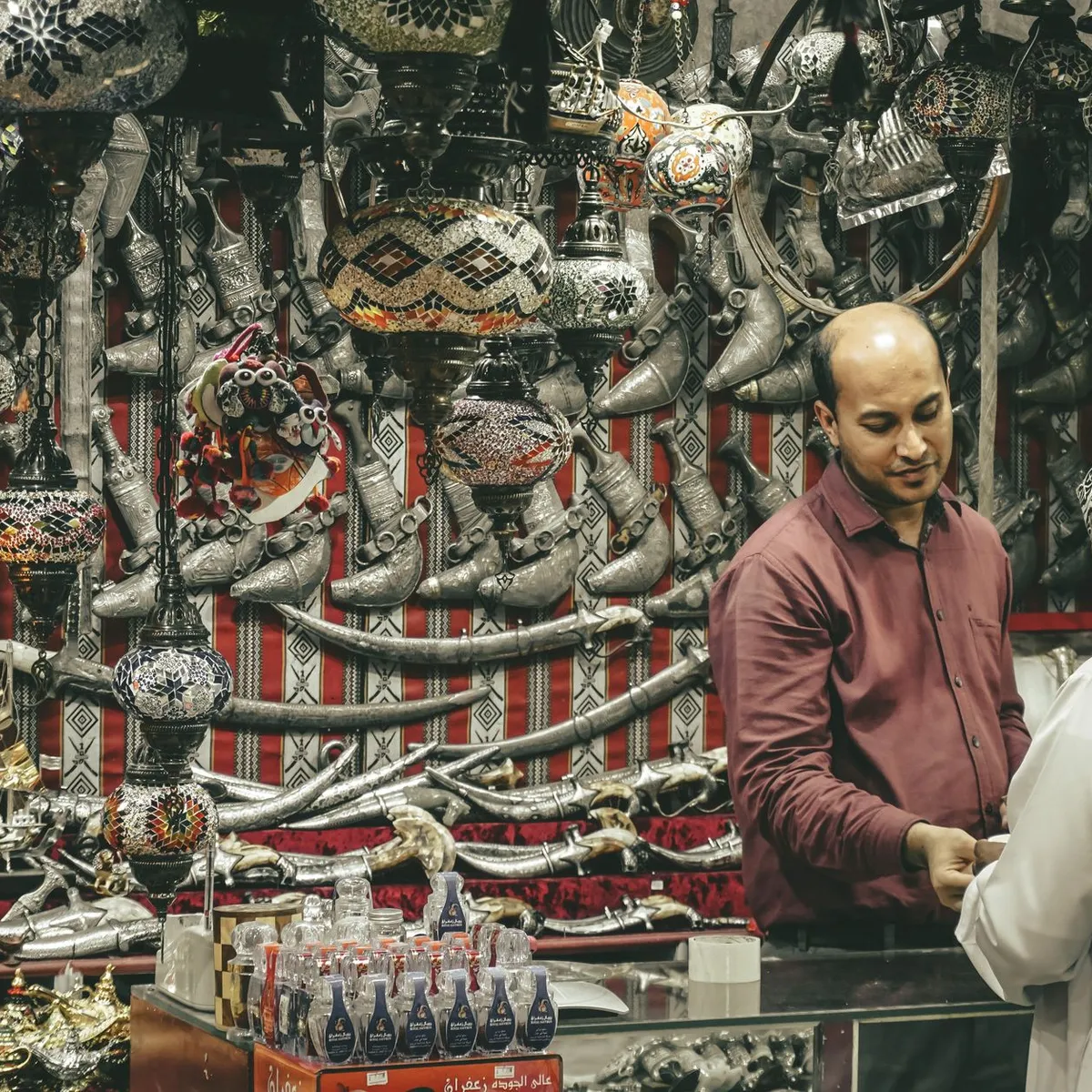
As Suwayq souq / waterfront area— a practical local outing if you choose short paved sections, go early or late, and verify parking close to the route.
Al Hazm Castle day trip— an Oman tourism heritage site in the wider Al Batinah area; verify current step-free access and avoid assuming towers or upper levels are usable.
Nakhal Fort and hot-spring area day trip— worthwhile with a private vehicle, but historic fort surfaces and steps require advance confirmation and realistic expectations.
Barka or Sohar coastal drives— car-based sightseeing can be more accessible than walking-heavy attractions; choose stops with paved parking, toilets, and shade.
Community & language
Arabic is primary; English is often workable in clinics, larger shops, and with expatriate-facing services, but not guaranteed. Local hospitality is a strength, yet accessibility assistance may be informal. Explain whether lifting is unsafe and what kind of transfer help you actually need.
Would we recommend it?
Yes only with private transport, heat planning, and verified housing. It is promising for flat terrain and calm living, but too sparse on confirmed accessibility to recommend for independent wheelchair travel without local support.
These figures combine public statistics, models, and live weather where available. Every city is different — treat this as a guide, and share what you know in the Reviews & Corrections tab.
Profile last updated 6/30/2026.