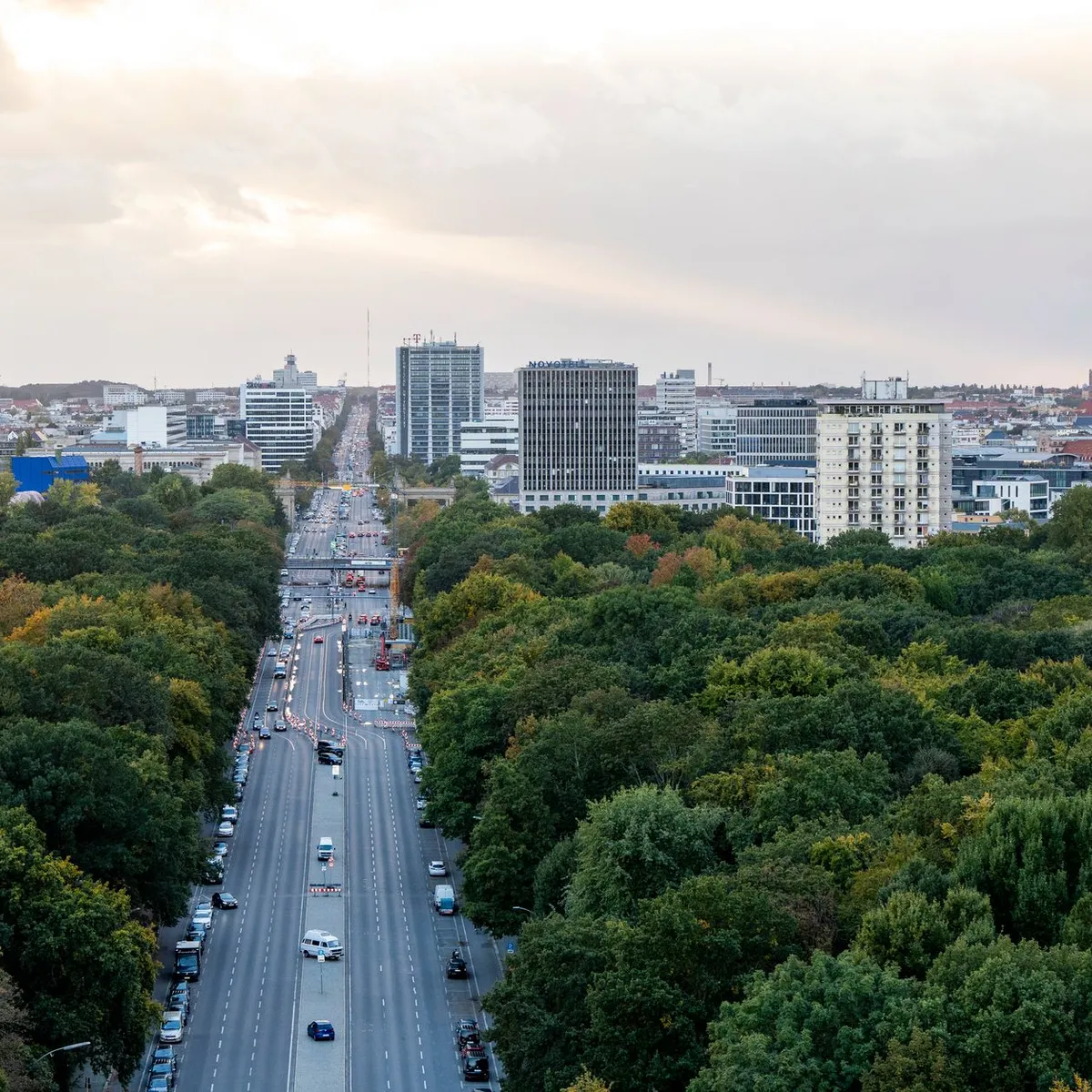
 Photo: Nadine Ginzel / Pexels
Altona
Altona accessibility for wheelchair users
Compare Altona by accessibility, transport, terrain, healthcare, cost, weather, laws, reviews, and community notes.
Altona accessibility scores
Compare Altona by accessibility, transport, terrain, healthcare, cost, weather, and laws. General stats use public data and models. Community rows reflect member reviews and votes.
General stats
National benchmarks and estimates — your experience in this city may differ.
Community
Starts from our estimate — thumbs up nudge toward Excellent, down toward Poor. Reviews use 1–5 stars.
These figures combine public statistics, models, and live weather where available. Every city is different — treat this as a guide, and share what you know in the Reviews & Corrections tab.
Profile last updated 6/30/2026.
Altona wheelchair accessibility guide
Research Altona for wheelchair users and caregivers: getting around, terrain, healthcare, costs, climate, accessible things to do, and practical caveats before booking.
Last updated 6/30/2026At a glance
Altona is one of the best Hamburg-area rows to treat as a wheelchair-friendly urban base: flat terrain, strong transit, waterfront access and quick links to central Hamburg. RollVenture's live row gives it 74 overall and 82 accessibility, with living costs from ~$3,462/mo and housing from ~$1,580/mo. The trade-off is that Altona is not cheap, and its older streets can combine good modern infrastructure with paving stones, kerbs and busy crossings.
Getting around
Use HVV for S-Bahn, U-Bahn, buses and ferries. HVV publishes barrier-free travel information, but always check elevator outages and platform access before travel. Hamburg-Altona station and nearby S-Bahn stops are useful, yet station redevelopment and construction can change routes. The ferries can be a pleasant step-free-feeling option when ramps and tides cooperate, but verify the specific pier and vessel before relying on them.
Terrain & mobility
The DB terrain profile is mostly flat, with a very low sampled maximum grade around 0.6% and high-confidence pavement data: 67% good surfaces, 5% poor, with asphalt, sett and paving stones common. That matches the local reality: daily distances are manageable, but historic paving, curb transitions around markets, and waterfront ramps can still be tiring. A power chair is helpful for longer harbor and Elbe routes.
Healthcare & care
The OSM healthcare profile lists Hamburg-area clinics such as ATOS Klinik Fleetinsel, Klinikum Stephansplatz, Alster-Klinik and others. Because several are central Hamburg rather than strictly Altona, treat them as regional leads. Confirm step-free entrances, appointment language, insurance acceptance and accessible taxi drop-off. Hamburg has strong specialist care, but home-aid setup and accessible medical transport should be arranged early.
Costs & housing
Plan around the stored costs: living from ~$3,462/mo, housing from ~$1,580/mo, food from ~$558/mo and transport from ~$292/mo. Altona's accessible apartments can be scarce and expensive. Ask for exact lift dimensions, entry thresholds, shower photos, hallway widths and whether the building has step-free rubbish/laundry access. Waterfront proximity is attractive but not worth a bad entrance.
Climate & comfort
Hamburg is windy, damp and moderate. Winter ice is less predictable than rain, but wet paving stones and gusts near the Elbe can be exhausting. Summer is usually comfortable, though older flats may lack cooling. Carry layers and plan indoor alternatives when storms roll in.
Accessible things to do
Miniatur Wunderland— The official accessibility page mentions access arrangements such as lifts/elevators and accessible restroom context. Book timed entry and check current crowd conditions.
Elbphilharmonie— The venue publishes accessibility information. It is a strong planned outing for wheelchair spaces, companion arrangements and step-free visitor routes.
Hamburger Kunsthalle— Its accessibility page lists visitor access information and makes it a useful museum option by transit from Altona.
Altona balcony / Elbe waterfront routes— The river views are a good local anchor, but choose known paved sections and avoid steep or cobbled connections unless verified.
Community & language
German is the default for leases and healthcare, while English is common in tourist venues and international Hamburg circles. Altona is diverse and relatively open-minded, but written German access requests still get better results for housing and clinics.
Would we recommend it?
Yes, for wheelchair users who can afford Hamburg pricing and want transit-rich, mostly flat city life. It is one of the more practical German urban bases, with the main risks being rent, construction detours and paving-stone fatigue.
These figures combine public statistics, models, and live weather where available. Every city is different — treat this as a guide, and share what you know in the Reviews & Corrections tab.
Profile last updated 6/30/2026.