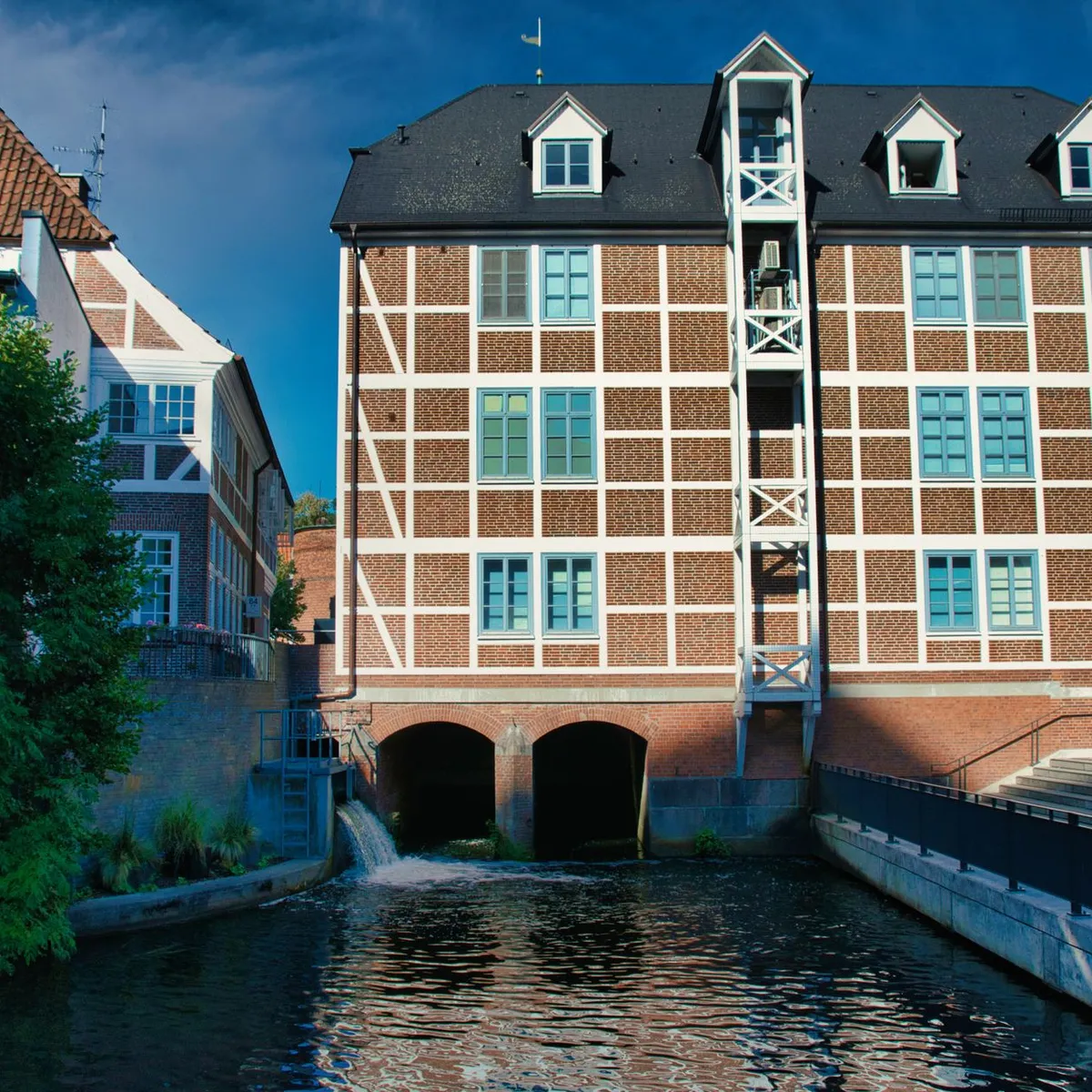
 Photo: Paparazzi Ratzfatzzi / Pexels
Eimsbüttel
Eimsbüttel accessibility for wheelchair users
Compare Eimsbüttel by accessibility, transport, terrain, healthcare, cost, weather, laws, reviews, and community notes.
Eimsbüttel accessibility scores
Compare Eimsbüttel by accessibility, transport, terrain, healthcare, cost, weather, and laws. General stats use public data and models. Community rows reflect member reviews and votes.
General stats
National benchmarks and estimates — your experience in this city may differ.
Community
Starts from our estimate — thumbs up nudge toward Excellent, down toward Poor. Reviews use 1–5 stars.
These figures combine public statistics, models, and live weather where available. Every city is different — treat this as a guide, and share what you know in the Reviews & Corrections tab.
Profile last updated 6/30/2026.
Eimsbüttel wheelchair accessibility guide
Research Eimsbüttel for wheelchair users and caregivers: getting around, terrain, healthcare, costs, climate, accessible things to do, and practical caveats before booking.
Last updated 6/30/2026At a glance
Eimsbüttel is a dense, central Hamburg district rather than a standalone tourist city, and that is its strength for many wheelchair users: short errands, frequent transit, clinics, cafés, parks, and access to the rest of Hamburg. RollVenture’s profile shows mostly flat terrain, strong pavement confidence, and solid wheelchair-transport scoring. Budget from ~$3,293/mo, including housing from ~$1,499/mo. The main caution is that older apartment buildings, basement shops, and small restaurants may still have steps even when the street network is manageable.
Getting around
Hamburg’s HVV network is the key mobility asset. Many U-Bahn, S-Bahn, and bus stops have accessibility information, elevators, or low-floor vehicles, but elevator outages can break a route quickly. Check the exact station before every important trip, especially if you rely on U-Bahn access. Buses can be a useful fallback. Taxis and booked accessible vehicles are available in the wider Hamburg market, but should be reserved for airport transfers or late-night needs.
Terrain & mobility
The database terrain sample labels Eimsbüttel mostly flat, with only a small elevation range. Pavement confidence is high, with asphalt, sett, paving stones, and compacted surfaces appearing in the sample. That means the district is generally rollable but not perfectly smooth: expect tree roots, construction, older paving stones, bicycle traffic, narrow shop entries, and occasional high thresholds.
Healthcare & care
The local profile lists clinic leads including Alster-Klinik, Klinikum Stephansplatz, ATOS Klinik Fleetinsel, and Goldbek Medical, all from OpenStreetMap and all needing direct verification. Hamburg has a deep healthcare market, but specialist appointments, accessible exam rooms, and care-agency availability should be arranged in advance, especially if German-language calls are difficult.
Costs & housing
Costs are high: housing from ~$1,499/mo, transport from ~$279/mo, medical from ~$140/mo, and home aid from ~$743/mo. Accessible housing is the bottleneck. Many attractive flats are in older walk-ups, so filter for elevator, step-free entrance, door widths, bathroom turning radius, and whether the elevator is large enough for your chair.
Climate & comfort
Hamburg is cooler and wetter than southern Europe. Rain, wind, and dark winter afternoons affect comfort more than extreme heat. Bring rain gear that works while seated, and plan indoor backup stops on longer routes.
Accessible things to do
Tierpark Hagenbeck— The zoo has visitor accessibility information and is reachable from the district area, but verify route, toilets, and any construction before going.
Planten un Blomen— A major central park nearby with many paved paths; check gradients, seasonal closures, and accessible toilets.
Osterstraße and neighborhood cafés— Good for everyday city life, but individual entrances vary, so scout step-free venues before meeting people.
Hamburg museums and waterfront via HVV— Eimsbüttel works well as a base for citywide sights if the exact station elevators are operating.
Community & language
English is widely understood in central Hamburg, but German helps with housing, care, and medical scheduling. The district feels urban and social, with good everyday amenities.
Would we recommend it?
Yes, especially for users who want dense European city living without steep hills. The big checks are elevator reliability, older-building access, and housing fit.
These figures combine public statistics, models, and live weather where available. Every city is different — treat this as a guide, and share what you know in the Reviews & Corrections tab.
Profile last updated 6/30/2026.