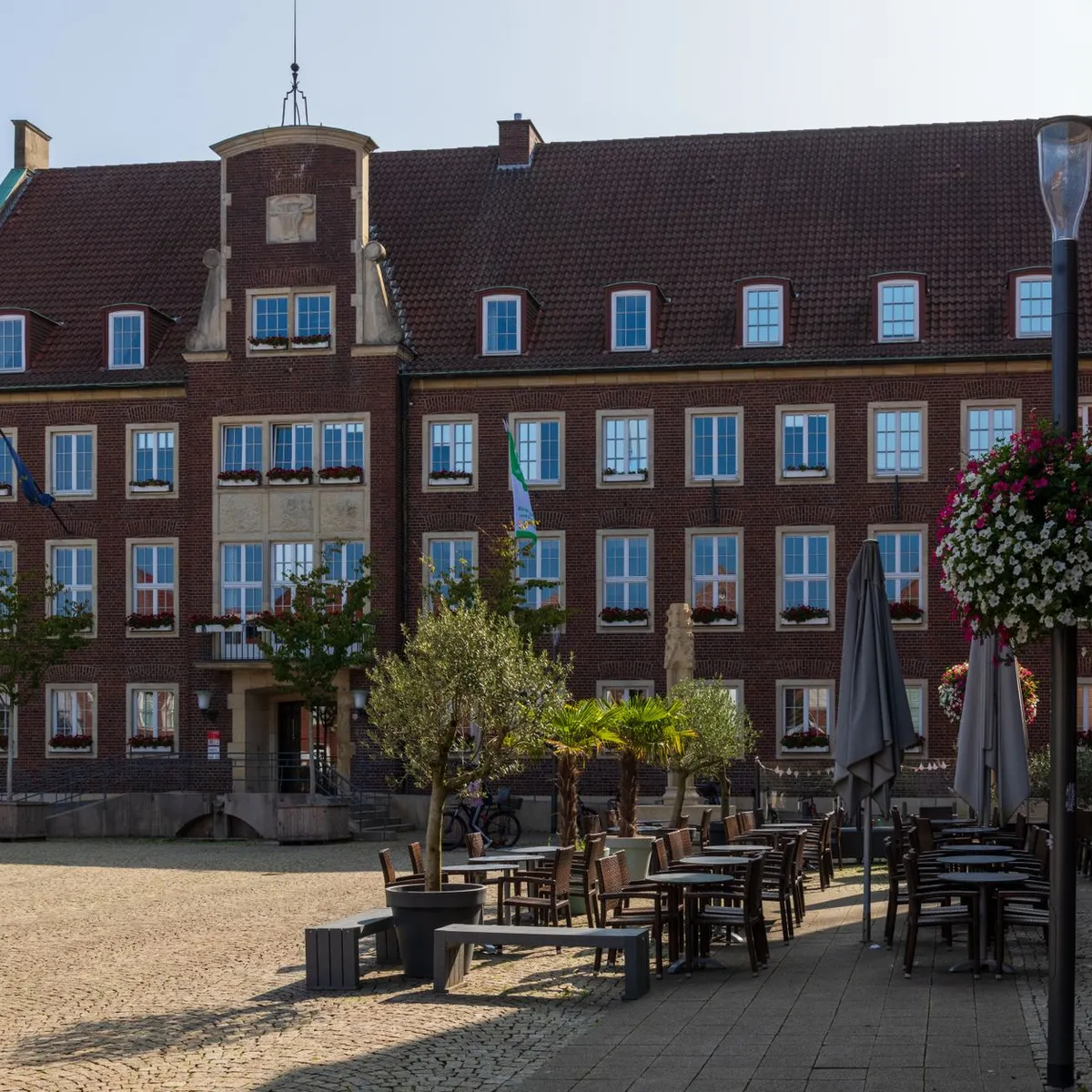
 Photo: Serg Karpow / Pexels
Münster
Münster accessibility for wheelchair users
Compare Münster by accessibility, transport, terrain, healthcare, cost, weather, laws, reviews, and community notes.
Münster accessibility scores
Compare Münster by accessibility, transport, terrain, healthcare, cost, weather, and laws. General stats use public data and models. Community rows reflect member reviews and votes.
General stats
National benchmarks and estimates — your experience in this city may differ.
Community
Starts from our estimate — thumbs up nudge toward Excellent, down toward Poor. Reviews use 1–5 stars.
These figures combine public statistics, models, and live weather where available. Every city is different — treat this as a guide, and share what you know in the Reviews & Corrections tab.
Profile last updated 6/30/2026.
Münster wheelchair accessibility guide
Research Münster for wheelchair users and caregivers: getting around, terrain, healthcare, costs, climate, accessible things to do, and practical caveats before booking.
Last updated 6/30/2026At a glance
Münster is one of the better candidates in this batch for everyday wheelchair logistics: RollVenture data shows a mostly flat terrain profile, 100% flat terrain samples, high infrastructure scoring, and a dense centre. It is a cycling city, which usually means many calm streets and paths, but it also means wheelchair users must watch for bike traffic, kerb design, and shared-space conflicts. Budget from ~$3,360/mo, with housing from ~$1,540/mo.
Getting around
Local buses and regional rail form the main non-driving network. Münster Hauptbahnhof is the practical anchor for intercity travel, while buses cover the old town, university, lake, and hospital areas. Verify low-floor bus deployment and stop accessibility for routine routes. The city is compact enough that a power-chair user may do many trips without transfers, but winter rain and crowded bike lanes change the experience.
Terrain & mobility
This is a mostly flat city by the DB profile: only a 1.0% sampled maximum grade and a small elevation range. OSM pavement data is high-confidence, with asphalt and paving stones common and a small poor-surface share. The main mobility caveats are not hills but surface texture, old-town paving, bike priority, market crowds, and construction diversions. Test routes between housing, groceries, clinics, and transit before signing a lease.
Healthcare & care
The DB profile lists several nearby leads, including Christoph-Dornier-Klinik, Raphaelsklinik, EOS-Klinik, Hohenzollernklinik, and Sankt Franziskus-Hospital. OpenStreetMap marks Raphaelsklinik and Sankt Franziskus-Hospital as emergency hospital leads. Treat all facility names as starting points: confirm departments, languages, insurance handling, accessible entrances, and appointment transport.
Costs & housing
Münster is not a bargain city, but costs are moderate for Germany. Accessible housing is the bottleneck: student demand and older buildings make lift-equipped apartments competitive. Focus on newer blocks outside the most historic streets, check elevator dimensions, and verify bathroom turning radius.
Climate & comfort
Expect a cool, wet North Rhine-Westphalia climate. Snow is less of a long-season issue than rain, wind, and slippery leaves. Flat terrain helps, but outdoor comfort depends heavily on surfaces, drainage, and shelter at stops.
Accessible things to do
LWL-Museum für Kunst und Kultur— The official museum site confirms the major central museum; verify its current access page or contact desk for lifts, accessible toilets, and step-free entry before visiting.
Prinzipalmarkt and old town route— A central heritage route with shops and cafés; use it as a daytime roll, but expect textured paving and crowds rather than perfectly smooth surfaces.
Aasee lakeside paths— A practical outdoor option because Münster is flat; choose paved sections near central access points and avoid stormy or icy days.
Münster Cathedral / Domplatz area— Good for orientation and markets, but market-day crowding and older paving make it a route to scout carefully.
Community & language
German is essential for healthcare, housing, and bureaucracy, though university and museum contexts often have English speakers. The city has a large student and cycling culture, so daily life is active and outdoorsy.
Would we recommend it?
Yes. Münster is a strong everyday-mobility candidate if you can secure accessible housing and are comfortable navigating bike-heavy streets. It is less ideal if cobbles, crowds, or German paperwork are major barriers.
These figures combine public statistics, models, and live weather where available. Every city is different — treat this as a guide, and share what you know in the Reviews & Corrections tab.
Profile last updated 6/30/2026.