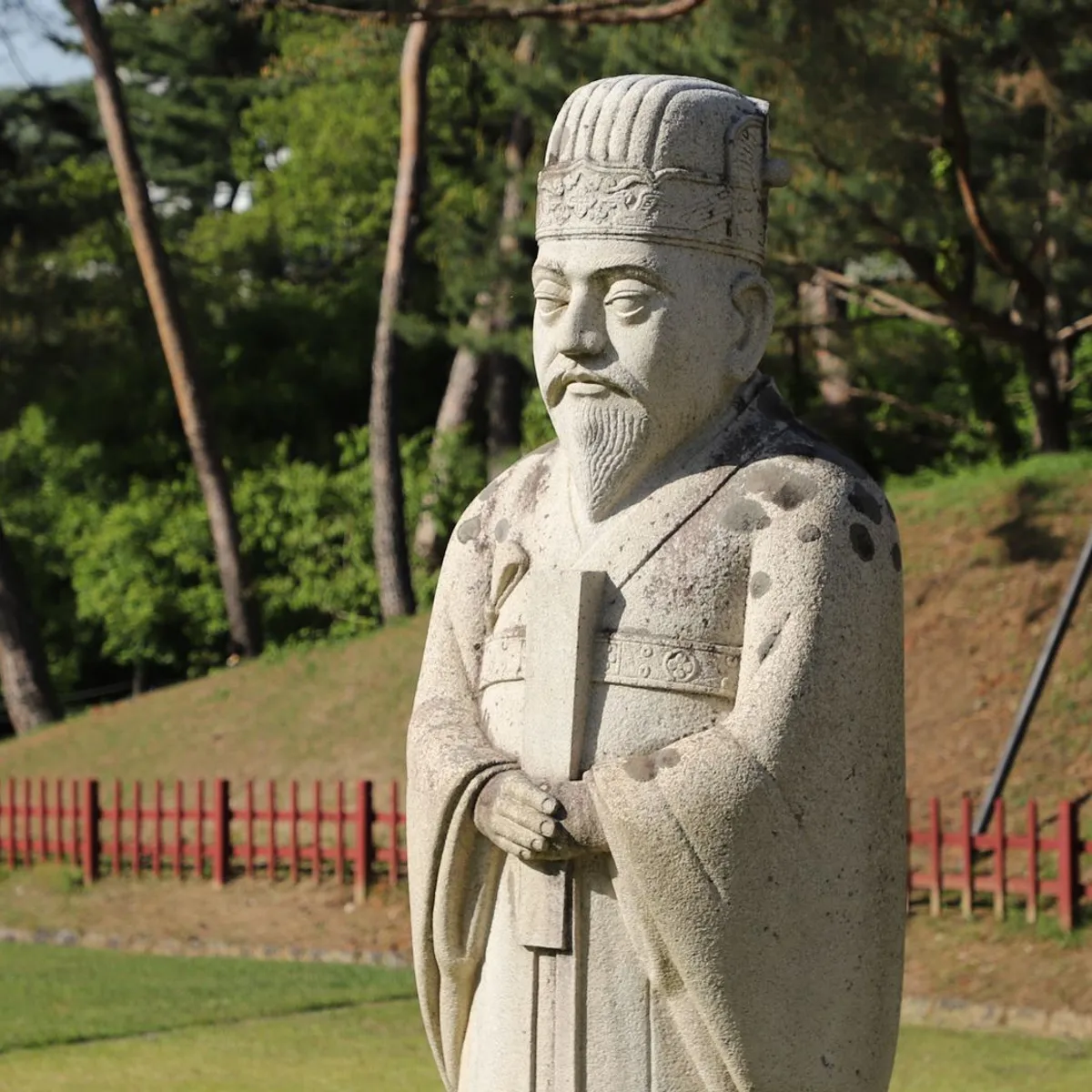
 Photo: 경북 김 / Pexels
Andong
Andong accessibility for wheelchair users
Compare Andong by accessibility, transport, terrain, healthcare, cost, weather, laws, reviews, and community notes.
Andong accessibility scores
Compare Andong by accessibility, transport, terrain, healthcare, cost, weather, and laws. General stats use public data and models. Community rows reflect member reviews and votes.
General stats
National benchmarks and estimates — your experience in this city may differ.
Community
Starts from our estimate — thumbs up nudge toward Excellent, down toward Poor. Reviews use 1–5 stars.
These figures combine public statistics, models, and live weather where available. Every city is different — treat this as a guide, and share what you know in the Reviews & Corrections tab.
Profile last updated 7/2/2026.
Andong wheelchair accessibility guide
Research Andong for wheelchair users and caregivers: getting around, terrain, healthcare, costs, climate, accessible things to do, and practical caveats before booking.
Last updated 7/2/2026At a glance
Andong is a mid-sized cultural city in North Gyeongsang with strong heritage appeal and a calmer pace than Seoul or Busan. RollVenture's live row scores it 72 overall, with good safety, strong infrastructure, and estimated living costs from ~$2,577/mo. The accessibility picture is mixed: the city has useful hospitals and clinics in OSM leads, but the surrounding terrain is hilly and pavement tagging confidence is low, so wheelchair users should plan routes street by street.
Getting around
Use Andong as a base where door-to-door taxis, booked accessible vehicles, or a local driver are more reliable than assuming every bus stop, heritage lane, or village path is step-free. Korea's intercity rail and express-bus systems can be workable with advance assistance, but confirm station elevators, boarding help, and return timing before committing to a day trip. Keep hotel choices close to the station or the newer central grid if you want fewer transfers.
Terrain & mobility
The DB terrain profile labels Andong hilly, with a 5.1% sampled max grade and a wide elevation range around the city. Hahoe Folk Village and older heritage areas can involve packed earth, stone thresholds, courtyards, slopes, and seasonal weather exposure. The safest plan is to treat scenic sites as accessible-by-route, not universally accessible: call ahead, ask about step-free entrances, and keep a companion or portable ramp option for older buildings.
Healthcare & care
OpenStreetMap healthcare leads near the centre include 성소병원, 안동시보건소, and 경북도립의료원, but these are leads only and access should be verified before travel. For a longer stay, arrange prescription continuity, Korean-language support, and a hospital contact in advance. Personal-care costs in the row are estimated from ~$675/mo, so budget for paid help rather than assuming informal support will be easy to find.
Costs & housing
The row estimates housing from ~$913/mo, food from ~$493/mo, local transport from ~$258/mo, medical from ~$140/mo, PT from ~$98/mo, and home aid from ~$675/mo. Newer apartment blocks and business hotels are better bets than traditional guesthouses for elevators and bathrooms. Ask for doorway widths, roll-in shower photos, lift dimensions, and nearby curb cuts before booking.
Climate & comfort
Andong has hot, humid summers and cold winters, so comfort planning matters. Summer sightseeing needs shade, hydration, and taxi breaks between outdoor sites. Winter routes can be icy, especially around bridges, river paths, and temple approaches. Spring and autumn are usually more comfortable for heritage travel, but festival periods can crowd narrow streets.
Accessible things to do
Hahoe Folk Village— A UNESCO-listed village and the city's signature heritage draw; verify shuttle, toilet, and surface conditions because traditional lanes are not uniformly smooth.
Andong Maskdance Festival / Maskdance Park area— A better candidate than remote temples for a managed cultural outing, but confirm seating, accessible toilets, and drop-off points for the current event layout.
Woryeonggyo Bridge riverside— A scenic, relatively simple outing if you choose the flattest riverside approach and avoid wet or icy weather.
Bongjeongsa Temple— Historically important, but temple terrain and thresholds require advance access checks and may suit partial viewing from reachable areas.
Community & language
English is less common than in Seoul, so translation apps and written Korean addresses are important. Cultural tourism staff may be helpful, but disability-specific information can be sparse. A Korean-speaking helper can make healthcare, taxi, and accommodation checks much smoother.
Would we recommend it?
Yes, for slow cultural travel with careful planning. Andong is not an effortless wheelchair destination, but it can work for travelers who prioritize heritage, book modern lodging, and verify every major outing in advance.
These figures combine public statistics, models, and live weather where available. Every city is different — treat this as a guide, and share what you know in the Reviews & Corrections tab.
Profile last updated 7/2/2026.