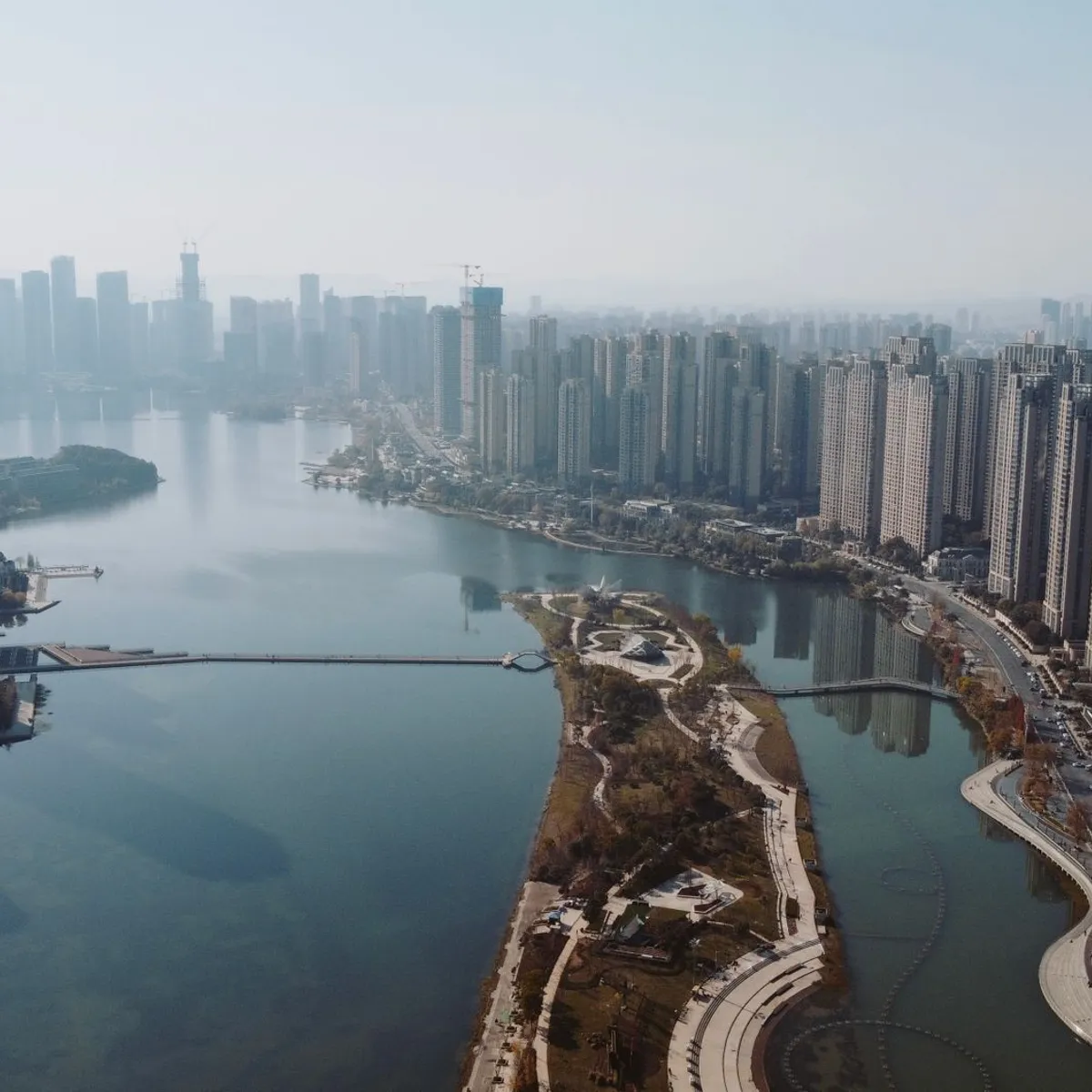
 Photo: 茵 夏 / Pexels
Anyang
Anyang accessibility for wheelchair users
Compare Anyang by accessibility, transport, terrain, healthcare, cost, weather, laws, reviews, and community notes.
Anyang accessibility scores
Compare Anyang by accessibility, transport, terrain, healthcare, cost, weather, and laws. General stats use public data and models. Community rows reflect member reviews and votes.
General stats
National benchmarks and estimates — your experience in this city may differ.
Community
Starts from our estimate — thumbs up nudge toward Excellent, down toward Poor. Reviews use 1–5 stars.
These figures combine public statistics, models, and live weather where available. Every city is different — treat this as a guide, and share what you know in the Reviews & Corrections tab.
Profile last updated 6/30/2026.
Anyang wheelchair accessibility guide
Research Anyang for wheelchair users and caregivers: getting around, terrain, healthcare, costs, climate, accessible things to do, and practical caveats before booking.
Last updated 6/30/2026At a glance
Anyang is one of China's major ancient-capital cities, best known for Yin Ruins, oracle-bone writing, the National Museum of Chinese Writing, and Red Flag Canal heritage. For wheelchair users, it is attractive because several core sights are museums or archaeological parks rather than nightlife districts. The DB profile is moderate: from ~$2,154/mo, gently rolling terrain, infrastructure 71, but low ramp and pavement confidence. Plan it as a history-focused stop where each site is checked in advance.
Getting around
Wikivoyage lists two rail stations: an older central Anyang station and Anyang East for high-speed rail. It also notes local buses and taxis, with three tourist bus lines covering many scenic spots and the airport. For wheelchair users, taxis/ride-hailing are usually simpler than changing buses, especially for Yin Ruins, Cao Cao Mausoleum, or Red Flag Canal. If using buses, verify low-floor access locally; do not assume wheelchair boarding from route listings alone.
Terrain & mobility
OpenTopoData describes Anyang as gently rolling with a low sampled max grade around 1.4%, so the city center is less physically punishing than hillier Chinese cities. The bigger issues are older curbs, untagged sidewalk surfaces, wide road crossings, and archaeological-site distances. Museum forecourts and newer civic areas should be easier than older lanes. Bring a companion for long outdoor sites and save energy for the main exhibition areas.
Healthcare & care
OSM lists Anyang Eye Hospital, Anyang People's Hospital new campus with emergency notation, Anyang Second People's Hospital, and additional hospitals within a few kilometers. These are useful leads, but access, English support, and specialist availability need direct confirmation. If you need regular care, base near a large hospital/newer district rather than a heritage street. Carry translated medical notes and ask hotels to help phone ahead.
Costs & housing
Use the DB figure from ~$2,154/mo, with housing around $759/mo. Newer hotels around Wanda Plaza, Anyang East, or major boulevards are more likely to offer elevators and reliable bathrooms than old-center guesthouses. For longer stays, ask for actual photos of the building entrance, bathroom threshold, lift, and route from parking/drop-off to lobby.
Climate & comfort
Anyang has cold winters and hot, rainy summers. DB climate shows January near 0°C with some snow days, and July-August near 26-28°C with the heaviest rain. Winter can mean icy curb ramps; summer can mean heat stress and flooded road edges. Spring and autumn are better for outdoor ruins.
Accessible things to do
Yin Ruins— the UNESCO-linked Shang capital site is Anyang's signature attraction, with museum areas, foundations, and royal-tomb connections. It is historically essential, but distances and outdoor paths require advance access checks.
National Museum of Chinese Writing— Wikivoyage describes a large modern museum in a gold-roofed building, focused on oracle bones and writing history. This is likely the best accessible first stop if elevators and accessible toilets are operating.
Anyang Museum— a large city museum with permanent exhibitions and free entry. It offers a more controlled indoor visit than many outdoor ruins; verify current opening, lift access, and restroom availability.
Tianning Temple / Wenfeng Tower— a central historic tower and temple. Good for exterior viewing and photos, but tower access itself is unlikely to be wheelchair-friendly.
Cao Cao Mausoleum Site Museum— a newer museum/site outside the center. Use a hired car and confirm step-free museum access and distance from drop-off to galleries.
Community & language
Mandarin is essential. Tourist sites may have some English labels, especially the writing museum, but access questions usually need Chinese. Anyang is less internationally oriented than Beijing/Shanghai, so hotel help with calls and taxi instructions matters.
Would we recommend it?
Yes for history lovers who can arrange transport and accept partial access at outdoor archaeological sites. Anyang is not seamless, but its flat-to-gently-rolling core and museum-heavy itinerary make it more workable than many heritage destinations if logistics are checked first.
These figures combine public statistics, models, and live weather where available. Every city is different — treat this as a guide, and share what you know in the Reviews & Corrections tab.
Profile last updated 6/30/2026.
Reviews & corrections
Share your experience or suggest a data correction. Both appear publicly; admin updates official city scores and costs separately.
Log in to write a review or suggest a correction.
No reviews or corrections yet.