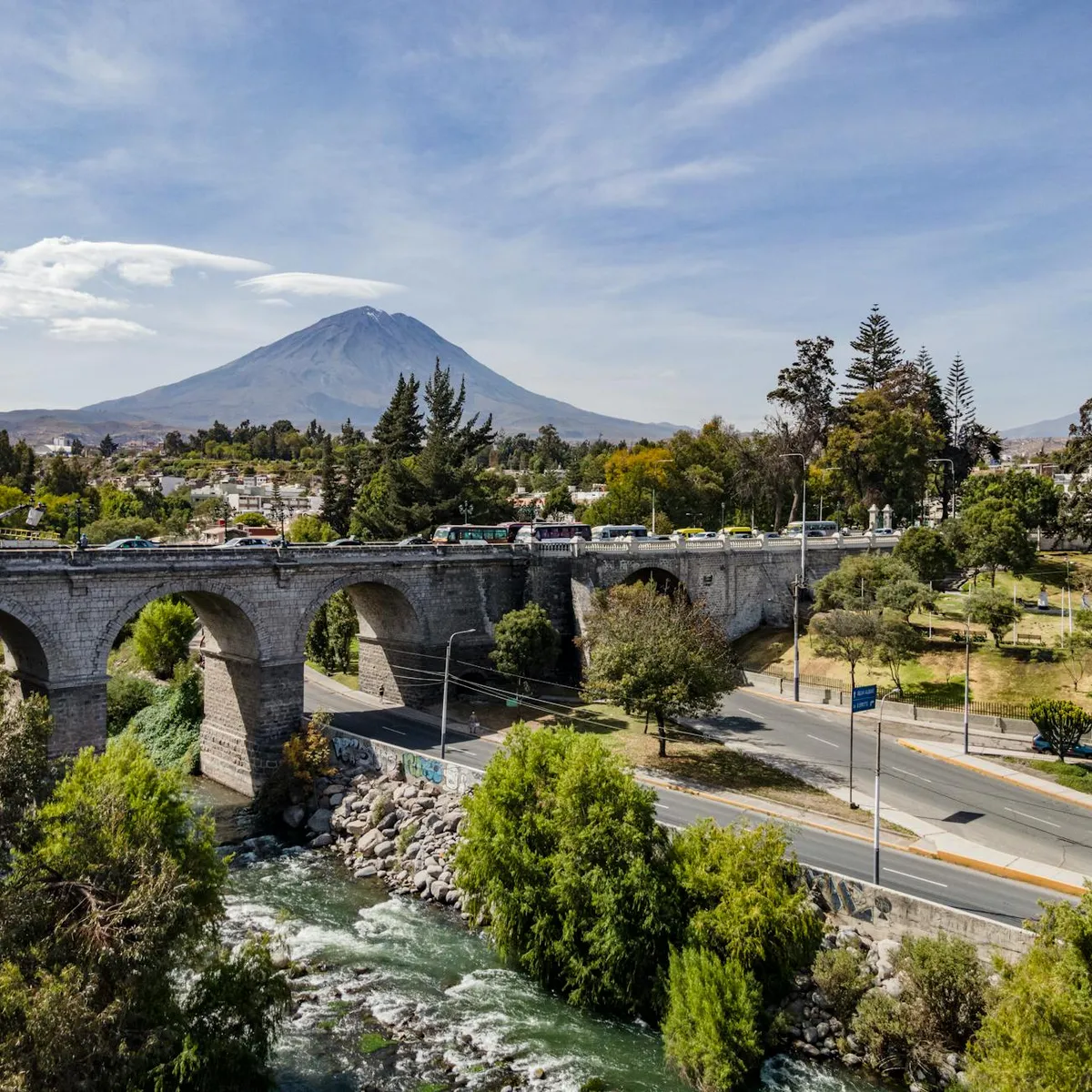
 Photo: Sergio Benavides / Pexels
Arequipa
Arequipa accessibility for wheelchair users
Compare Arequipa by accessibility, transport, terrain, healthcare, cost, weather, laws, reviews, and community notes.
Arequipa accessibility scores
Compare Arequipa by accessibility, transport, terrain, healthcare, cost, weather, and laws. General stats use public data and models. Community rows reflect member reviews and votes.
General stats
National benchmarks and estimates — your experience in this city may differ.
Community
Starts from our estimate — thumbs up nudge toward Excellent, down toward Poor. Reviews use 1–5 stars.
These figures combine public statistics, models, and live weather where available. Every city is different — treat this as a guide, and share what you know in the Reviews & Corrections tab.
Profile last updated 6/30/2026.
Arequipa wheelchair accessibility guide
Research Arequipa for wheelchair users and caregivers: getting around, terrain, healthcare, costs, climate, accessible things to do, and practical caveats before booking.
Last updated 6/30/2026At a glance
Arequipa is a beautiful but demanding base for wheelchair users. Peru’s official tourism site describes the city as the “White City,” centred on sillar-stone architecture, the Historic Center, the Main Square, Santa Catalina Monastery, Yanahuara, San Lazaro, and nearby countryside viewpoints. The RollVenture data is more cautionary: accessibility score 43, ramp availability 40, wheelchair transport 41, and a very hilly terrain profile. Treat Arequipa as possible with planning, not a low-effort access city.
Getting around
Use private transfers or a trusted driver rather than assuming step-free public transport. The historic core is compact, but narrow sidewalks, colonial thresholds, cobbles, traffic, and curb cuts can interrupt short routes. Ask hotels to confirm step-free entrance, lift dimensions, bathroom layout, and whether vehicles can load a folding or powered chair.
Terrain & mobility
This is the main challenge. The DB terrain sample labels Arequipa very hilly, with high elevation and sharp grade changes around the urban area. OSM pavement data is only medium-confidence and shows many untagged or unpaved surfaces. Plan routes block by block, avoid rushing between neighborhoods, and expect assistance around old streets, plazas, and monastery/courtyard thresholds.
Healthcare & care
The local healthcare list is OSM-derived, so use it as leads rather than verified access data: San José clinic, Cruz Roja, Fisiovida, Intermedic, and Fisioterapia appear near the centre. Before arrival, confirm English/Spanish communication, wheelchair entry, appointment availability, and whether your hotel can help source personal care or equipment repair.
Costs & housing
RollVenture estimates living costs from ~$2,402/mo, with housing around ~$1,235/mo. That may buy comfort, but accessible rentals are not guaranteed. Prioritize modern apartment buildings, newer hotels near the Plaza de Armas edge, and written photo/video confirmation of bathroom transfers, entrance steps, elevator reliability, and backup power.
Climate & comfort
Arequipa is high, sunny, and dry. Altitude can add fatigue, especially for travelers managing respiratory, cardiac, or pressure-care concerns. Shade, hydration, and slower sightseeing days matter more than the map distance suggests.
Accessible things to do
Plaza de Armas and the Cathedral exterior— Peru’s tourism site frames the main square as the classic starting point. It is the best first access test, but verify curb cuts and paving around the portals.
Historic Center streets— Use the official Historic Center listing as the anchor, but keep expectations conservative: architecture is the draw, while surfaces and colonial entries can be difficult.
Santa Catalina Monastery— Official tourism highlights it as a city-within-a-city. Contact the site before visiting, because narrow lanes, stone surfaces, and thresholds may limit chair access.
Yanahuara viewpoint— Tourism materials mention Yanahuara for views of Misti. Go by vehicle and verify the final approach; do not assume the lookout route is step-free.
Community & language
Spanish is essential for access calls, taxi coordination, and medical visits. English may appear in tourism settings, but a local fixer or hotel concierge will make the city much easier.
Would we recommend it?
Yes for experienced wheelchair travelers who want architecture, food, and Andean scenery and can budget for drivers and assistance. For a first independent wheelchair trip, Arequipa is too hilly and uneven to recommend without strong local support.
These figures combine public statistics, models, and live weather where available. Every city is different — treat this as a guide, and share what you know in the Reviews & Corrections tab.
Profile last updated 6/30/2026.