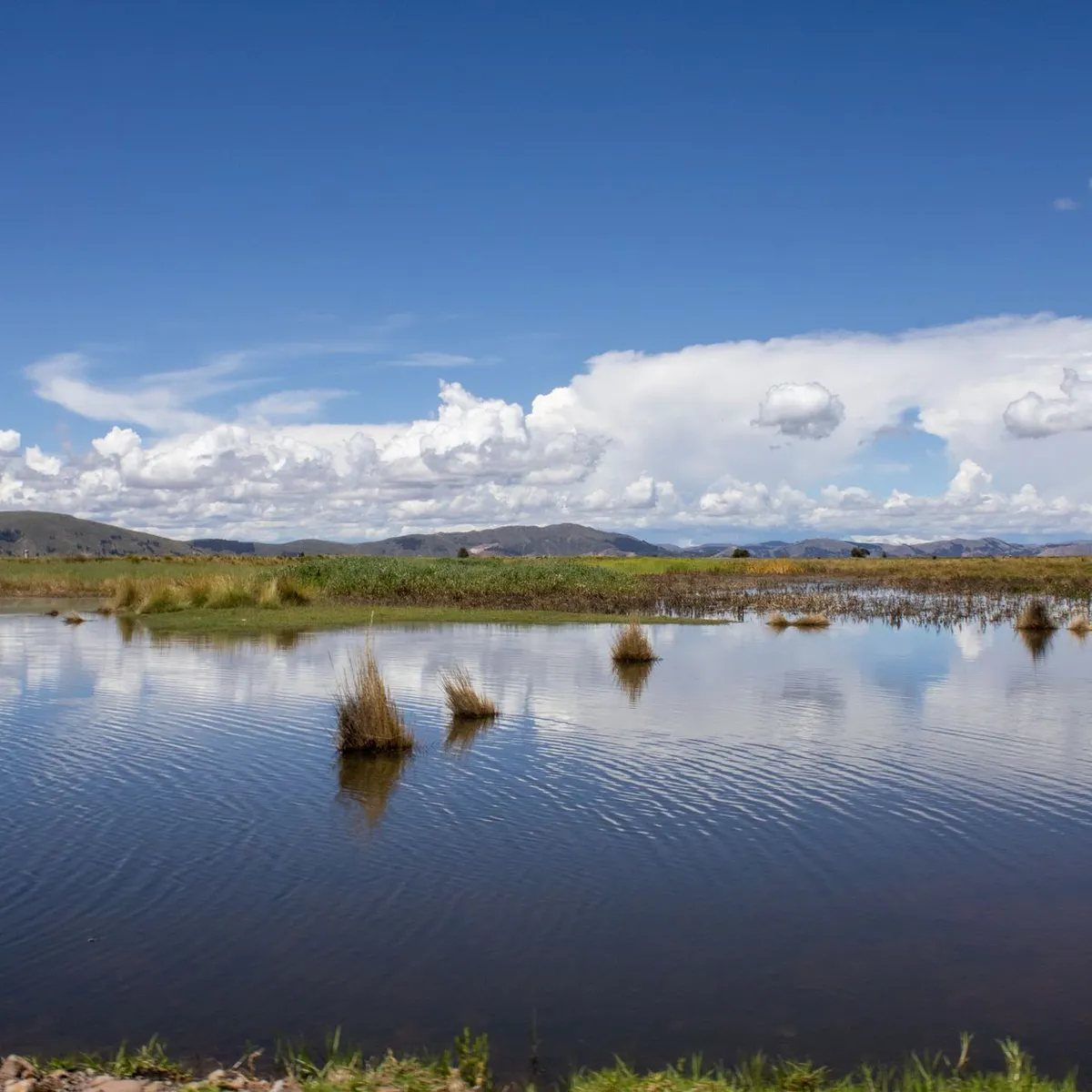
 Photo: Jesse Benjamin Lara Serna / Pexels
Puno
Puno accessibility for wheelchair users
Compare Puno by accessibility, transport, terrain, healthcare, cost, weather, laws, reviews, and community notes.
Puno accessibility scores
Compare Puno by accessibility, transport, terrain, healthcare, cost, weather, and laws. General stats use public data and models. Community rows reflect member reviews and votes.
General stats
National benchmarks and estimates — your experience in this city may differ.
Community
Starts from our estimate — thumbs up nudge toward Excellent, down toward Poor. Reviews use 1–5 stars.
These figures combine public statistics, models, and live weather where available. Every city is different — treat this as a guide, and share what you know in the Reviews & Corrections tab.
Profile last updated 6/30/2026.
Puno wheelchair accessibility guide
Research Puno for wheelchair users and caregivers: getting around, terrain, healthcare, costs, climate, accessible things to do, and practical caveats before booking.
Last updated 6/30/2026At a glance
Puno is a high-altitude Lake Titicaca base with memorable culture and scenery, but wheelchair users should approach it cautiously. The attraction value is real: Wikivoyage and Wikipedia both place the city on the Altiplano with lake trips, a cathedral/plaza area, and connections to islands. The mobility burden is also real: about 3,975 m average sampled elevation in the DB terrain profile, mixed hills, and limited transport accessibility documentation. It is best for travellers who tolerate altitude, can arrange private transfers, and are comfortable verifying each boat, hotel, and ramp in advance.
Getting around
Puno has bus, rail, road, and regional airport access via Juliaca, but RollVenture should not present it as an accessible-transit city. Plan airport or bus-station pickup, confirm vehicle space for the chair, and use taxis between hotel, pier, and central sights. For lake excursions, ask operators about dock height, boarding steps, whether crew can assist safely, and whether the destination island paths are realistic for your chair.
Terrain & mobility
The DB profile is demanding: maximum sampled grade around 10.5%, mixed terrain, 72% flat samples, and a 480 m elevation range. Pavement confidence is medium, but only 9% of tagged surfaces are good; samples include concrete, paved, unpaved, and many untagged routes. Altitude can make even short transfers tiring. Bring gloves, backup batteries, warm layers, and a conservative plan for returning to the hotel quickly if weather or breathing comfort changes.
Healthcare & care
OSM-derived healthcare leads include Hospital Manuel Núñez Butrón, Hospital I Clínica Universitaria UNA - EsSalud, and EsSalud Hospital III Puno. Verify emergency intake, oxygen/altitude support, step-free entry, and payment requirements before travel. If you use pressure equipment or power mobility, plan charging carefully because cold nights and altitude can affect comfort and battery margins.
Costs & housing
The database estimate is **from ~$2,022/mo**, with housing around $898. Stay close to the Plaza de Armas or a confirmed accessible lakefront pickup point rather than chasing views up steep streets. Ask for elevator dimensions, heater availability, bathroom photos, and whether the entrance route has stairs or a steep ramp.
Climate & comfort
Puno is cool, sunny, and exposed at high altitude. Sun, wind, and cold nights can all matter in one day. Cushion warmth, skin checks, hydration, and altitude pacing are not optional details here.
Accessible things to do
Lake Titicaca boat viewpoint or short cruise— potentially the most rewarding outing, but only with operator-confirmed boarding help and realistic dock access.
Plaza de Armas and Puno Cathedral— central, easy to combine with taxis, but verify curbs, steps, and cathedral entrance conditions.
Carlos Dreyer Museum area— a cultural stop near the centre; confirm interior step-free access before committing.
Yavarí / lakefront heritage stops— useful if vehicle drop-off and pier surfaces are manageable; avoid assuming boat interiors are accessible.
Central market or craft shopping— choose wider, flatter blocks and go with a companion who can scout crowding.
Community & language
Spanish is essential; Quechua and Aymara are part of the region’s cultural context. Bring written Spanish questions for boat boarding, oxygen/medical help, and hotel access.
Would we recommend it?
Only for prepared travellers. Puno’s scenery is special, but altitude, docks, hills, and patchy access make it a planned-support destination rather than an easy wheelchair base.
These figures combine public statistics, models, and live weather where available. Every city is different — treat this as a guide, and share what you know in the Reviews & Corrections tab.
Profile last updated 6/30/2026.